
Your lambskin rug adds warmth and luxury to your home, but when stains appear or odors linger, you need to know exactly how to wash a lambskin rug without causing damage. Unlike synthetic rugs, lambskin consists of natural wool fibers attached to a delicate leather or suede backing. Improper washing can cause irreversible problems like shrinkage, hardening, matting, or warping. This guide walks you through every step of washing your lambskin rug safely, based on your rug’s specific tannery code and construction.
Check Your Rug’s Washability First

Before water touches your rug, you must determine if it can be safely washed. Washing the wrong type can destroy it permanently.
Find the Tannery Code
Look for a label on the back of your rug. Most quality lambskin rugs include a tannery code that tells you how to clean it.
| Code | Washable? | Cleaning Method |
|---|---|---|
| A (Ashford, OR) | Yes | Machine or hand wash |
| L (Living Sky, ID) | Yes | Machine wash gentle, air dry |
| V (Vermont) | Yes | Hand or machine wash |
| P (Pennsylvania) | Yes (hand wash preferred) | Cold water, no Woolite |
| S (San Francisco, CA) | No | Spot clean only |
| Icelandic | Hand wash only | No machine wash |
| Tibetan | No washing | Shake only |
Never wash S-code, Tibetan, or suede-backed rugs. Submerging damages the pelt permanently.
Inspect the Backing Material
Your rug backing determines its cleaning method. Leather pelt backings may be washable when paired with A, L, V, or P codes. Suede backings should never be washed. Check for stitched seams or trims that might be fragile during soaking.
If no label exists, assume the rug is not washable and stick to spot cleaning only.
Vacuum Your Lambskin Rug Properly
Regular vacuuming keeps your lambskin rug fresh and reduces how often you need to deep clean it.
Use Suction Only
Never use a beater bar or rotating brush on lambskin. These pull wool fibers and cause matting. Use the upholstery attachment or set your vacuum to the highest height setting. Vacuum in the direction of the wool fibers to avoid tugging.
Vacuum once per week for high-traffic areas. For low-use rugs, every one to two weeks is sufficient. Flip the rug occasionally to vacuum the backing if accessible.
Daily vacuuming can wear down wool fibers over time. Stick to weekly maintenance for best results.
Spot Clean Spills Immediately
Most stains don’t require full washing. Spot cleaning is safer and more effective when you act fast.
Step-by-Step Stain Removal
Blot liquids immediately with a clean, dry cloth. Never rub, as this drives the stain deeper into fibers. Scrape solid residues gently with a dull knife edge.
Dampen a soft cloth with cool water (100°F or lower) and a drop of wool-safe detergent. Dab the stain from the outside inward to prevent spreading. Rinse with a clean damp cloth to remove all soap residue.
Blot dry with a towel and air dry completely before walking on or brushing the area.
Treat Specific Stains Effectively
For urine, milk, or food stains, dab with a one-to-one vinegar-water mix and rinse thoroughly. Let mud dry completely, then vacuum or shake it out. Sprinkle cornstarch on grease or oil stains, wait one hour, then brush off. For wine or juice, blot immediately, then use a wool-safe detergent solution.
Never soak any stained area. Water can seep into the pelt and cause rot or lingering odor.
Hand Wash Washable Rugs Correctly
Only attempt hand washing if your rug has a leather backing and displays an A, L, V, or P tannery code.
Prepare the Bath
Fill a bathtub or large basin with cool to lukewarm water between 85°F and 100°F. Add one cap of non-ionic wool detergent like Unicorn Fiber Wash or Eucalan. Mix gently without creating excessive suds.
Wash with Care
Submerge the rug gently. Do not agitate, scrub, or twist the rug. Soak for five to ten minutes for A, L, and P codes, or up to twenty minutes for V code.
Drain and rinse thoroughly with clean, cool water until the water runs clear. Press out water by hand. Never wring or squeeze the rug forcefully.
For an optional final rinse, add half a cup of white vinegar per four gallons of water to condition the wool and restore natural softness.
Never submerge suede-backed or S-code rugs. This destroys the pelt completely.
Machine Wash Only as Last Resort
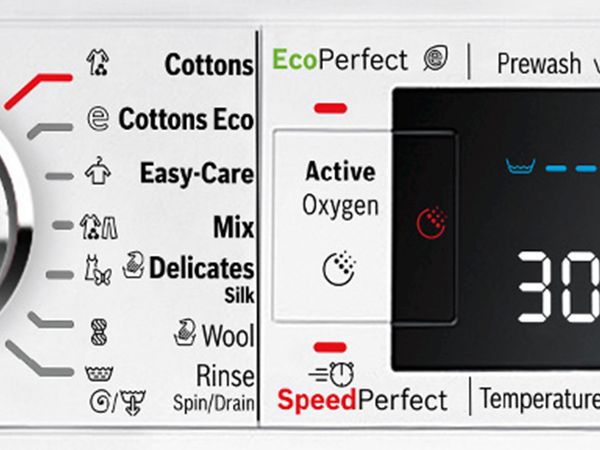
Machine washing carries significant risks even with washable rugs. Consider this option only for emergencies.
Safe Machine Wash Steps
Use a front-loading machine on Delicate, Wool, or Hand-Wash cycle only. Set water to cold or lukewarm at 100°F or lower. Use mild, non-ionic detergent. Avoid Woolite if your P-code specifically warns against it.
Skip the spin cycle or use the lowest possible spin speed. Keep wash time under ten minutes. Remove the rug immediately when the cycle ends. Do not leave it sitting in the drum.
Understand the Risks
Machine washing can cause felting or matting from agitation. The pelt may harden even with proper settings. Many manufacturers void warranties if machine washing occurs.
One user reported successfully machine-washing a urine-soaked rug but had to stretch the stiff pelt extensively after drying to restore flexibility.
Dry Your Lambskin Rug Properly
Drying determines whether your rug stays soft or turns into a stiff board.
Air Drying Best Practices
Remove excess water by gently pressing by hand, then rolling in thick towels to absorb moisture. Use a spin-only cycle if your rug type allows it.
Dry flat on a clean towel or drying rack with the wool side down. Alternatively, hang over a clothesline folded in half with the wool side facing out. Keep the rug out of direct sunlight, heat sources, and humidity.
Shake every few hours to fluff the wool and release trapped moisture. Stretch the leather side by hand or over a chair back to prevent stiffness.
Drying takes twenty-four to seventy-two hours depending on thickness and air circulation. Never speed-dry with fans on high heat or space heaters.
Never tumble dry. Heat destroys wool and leather permanently.
Restore Softness After Washing
Washing can leave the pelt stiff. Restoration is essential to bring back your rug’s luxurious feel.
Soften the Leather Back
Once fully dry, hang the rug over a fence or clothesline. Gently beat the back with a wooden mallet or stick. Pull and stretch in multiple directions. Repeat until the leather feels supple.
Revive Wool Fibers
Brush with a wire slicker brush when completely dry. Use a wide-tooth comb for tangles. Toss the rug in the air or shake vigorously to separate fibers.
For studysonguide-20orn tangles, lightly mist with a one-to-three vinegar-water mix before brushing. For Icelandic rugs, use a specialized sheepskin brush to lift curls without damage.
Never brush Tibetan rugs. Brushing loosens their natural spring texture.
Use Safe Cleaning Products
The wrong detergent can ruin your rug permanently. Always choose wool-safe formulas.
Approved Products
Use Unicorn Fiber Wash for all washable types, especially P and V codes. Eucalan works well for hand and machine washing. Woolite for Delicates works for machine washing but avoid for P-code rugs. Mild hand soap or baby shampoo works for spot cleaning. White vinegar diluted conditions wool and removes odors. Baking soda deodorizes except on S-code rugs.
Never Use These Products
Avoid enzyme detergents that break down wool and leather. Never use bleach, which fades color and weakens fibers. Fabric softeners coat fibers and reduce breathability. Alkaline soaps disrupt wool’s natural pH. Metal contact causes permanent staining.
Always spot test new cleaners on a hidden area first.
Store Your Rug Properly
Improper storage leads to stiffness, yellowing, and musty odors.
Clean and dry the rug completely before storing. Fold loosely or roll with acid-free tissue paper. Place in a breathable cotton bag. Never use plastic, which traps moisture.
Store in a cool, dry, ventilated area. Avoid attics and basements with humidity fluctuations. For sheepskin coats, use broad curved hangers to maintain shape.
Avoid mothballs, which leave strong odors. Use cedar blocks instead.
Know When to Deep Clean
Over-cleaning strips lanolin and shortens your rug’s life.
Vacuum weekly. Shake and air out weekly or bi-weekly. Brush monthly or as needed. Spot clean only when spills occur. Deep clean by hand washing once every one to two years, or when heavily soiled.
Professional cleaning is best for non-washable or heirloom rugs.
Follow Tannery-Specific Rules
Your rug’s origin determines its care requirements.
Icelandic rugs require hand wash only, dry on a rack, and brush when dry. Tibetan rugs need shaking only. Never brush them. Pennsylvania (P-code) rugs need hand washing with no Woolite, dry flat or line dry, and brush when wet, damp, or dry. Vermont (V-code) rugs are washable but avoid metal contact, shake aggressively, and stretch leather during drying. California (S-code) rugs need spot cleaning only. Air dry if damp and avoid chemical products.
When in doubt, spot clean and air out.
Frequently Asked Questions About Washing Lambskin Rugs
Can I machine wash my lambskin rug at home?
Only if your rug has a leather backing with A, L, V, or P tannery code, and only as a last resort. Use cold water, gentle cycle, and remove immediately. Machine washing risks felting, matting, and pelt hardening.
How do I remove urine smell from my lambskin rug?
Blot immediately, then dab with a one-to-one vinegar-water solution. Rinse thoroughly and air dry completely. For persistent odors, sprinkle baking soda, let sit overnight, and vacuum. Never soak the area.
Why did my lambskin rug become stiff after washing?
Stiffness happens when the leather pelt dries without stretching. After washing, stretch the leather side by hand or over a chair back every few hours during drying. Beat the back with a wooden mallet once dry to restore suppleness.
Can I use regular laundry detergent on lambskin rugs?
Never use regular laundry detergent. Standard detergents contain enzymes and alkalis that damage wool fibers and leather. Use only non-ionic wool-safe detergents like Unicorn Fiber Wash or Eucalan.
How often should I deep clean my lambskin rug?
Deep clean washable rugs once every one to two years, or when heavily soiled. Over-cleaning strips the natural lanolin that protects the wool and extends the rug’s lifespan.
What’s the fastest way to freshen a lambskin rug between washes?
Take it outdoors and shake vigorously to dislodge dust. Let it air out in a breezy, dry location for six to twelve hours. This removes odors and revives the natural fluffiness without any water contact.
Key Takeaways for Washing Your Lambskin Rug
Washing a lambskin rug requires knowing your rug’s tannery code and backing type before proceeding. Always spot clean first and reserve full washing for heavily soiled washable rugs. Use only cool water and wool-safe, non-ionic detergents. Dry flat or hung in shade, stretching the leather regularly during the twenty-four to seventy-two hour drying process. Restore softness by beating and stretching the pelt after drying, then brushing the wool fibers to revive fluffiness.
With proper care, your lambskin rug can last twenty years or more. Treat it as the lifetime investment it is, and it will reward you with decades of softness and warmth.