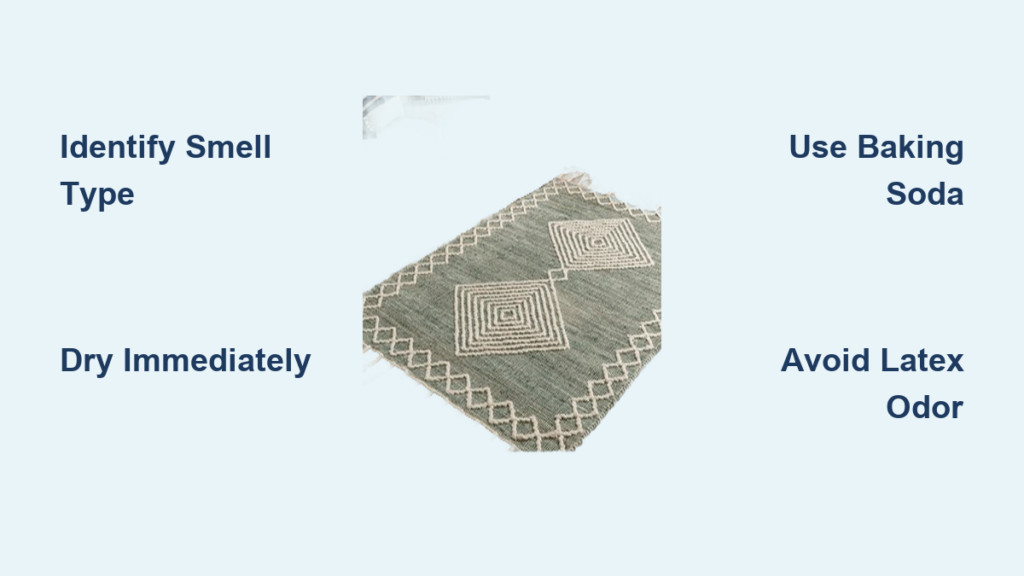
A new wool rug should feel luxurious, not smelly. Yet many homeowners are surprised when their beautiful wool rug emits a barnyard-like, musty, or chemical odor. Wool rugs can develop smells for multiple reasons, from natural lanolin to hidden mold and degrading latex backing, and the fix depends entirely on the cause. The good news is that most odors can be eliminated with the right approach. This guide provides science-backed, step-by-step solutions tailored to each type of odor, plus a critical warning about one problem that no cleaning can fix.
Identify the Smell First
Before grabbing cleaning supplies, pinpoint the source. Treating the wrong cause wastes time and risks damaging your rug. Smells fall into five distinct categories, each requiring different solutions.
Barnyard or Sheep-Like Smell
This earthy, animal-like odor is common in new 100% wool rugs and comes from natural lanolin, a waxy oil in raw sheep’s wool. It is harmless and usually fades within days to weeks. Heat and humidity can make it stronger. If your rug was rolled tightly during shipping, the smell may linger. Try airing it out before assuming the worst.
Musty or Wet Dog Smell
This signals moisture exposure. Wool absorbs up to 30% of its weight in water without feeling wet, so dampness can hide for days. If your rug has been near spills, pet accidents, or high-humidity areas like basements, bacteria or mold may be growing. This smell worsens over time and can lead to permanent damage if ignored.
Burnt Rubber or Chemical Smell
A sharp, acrid odor, especially one that appears months or years after purchase, likely comes from degrading latex backing in hand-tufted rugs. This smell is trapped between layers and cannot be cleaned. This odor is permanent. If this is your issue, your only real option is to return or replace the rug.
Persistent Chemical or Plastic Smell
If your new rug smells like paint, plastic, or fumes, it may have been treated with fumigants, mothproofing agents, or formaldehyde-based resins during overseas shipping. These chemicals off-gas slowly and can cause headaches or allergies. Some may never fully disappear, especially in sensitive individuals.
General Organic or Stale Smell
Over time, rugs collect skin cells, pet dander, and food crumbs. These decompose and feed bacteria. If you have not vacuumed in weeks or have pets, this buildup could be the culprit. The good news is that it is easily fixed with deep cleaning.
Dry a Wet Wool Rug Immediately
:max_bytes(150000):strip_icc()/how-to-clean-a-wool-rug-4177780-6adc9b4a1ab94c01a49fe9690e3f25b2.png)
If your rug is damp or has been exposed to liquid, act fast. Mold can start growing in 24 to 48 hours, and the smell may become permanent.
Blot, Do Not Rub
Rubbing pushes moisture deeper and can distort fibers. Instead, press clean, absorbent towels firmly onto the wet area. Replace towels as they soak through. For large rugs, roll sections carefully to dry the underside.
Maximize Airflow
Move the rug to a dry, ventilated area. If outdoors, lay it flat in indirect sunlight. UV rays kill bacteria. Flip every few hours. Limit sun exposure to 4 to 6 hours total to prevent fading.
Indoors, elevate the rug on a drying rack and point multiple fans at both sides. Run a dehumidifier to keep humidity below 50%. Never reinstall until the backing feels completely dry.
Check the Underlay and Floor
Odor often comes from a wet pad or subfloor, not the rug. Remove the rug and inspect the padding for discoloration or mustiness. Check if the floor feels damp.
Use a moisture meter or the plastic sheet test. Tape a 12×12 inch plastic sheet to the floor. If condensation forms underneath after 24 hours, moisture is rising from below. Replace the pad and let the floor dry fully before putting the rug back.
Eliminate Odors with Targeted Treatments
Once dry, apply the right solution for your specific smell. Not all methods work for all odors, and some can ruin your rug.
Use Baking Soda for Most Odors
Baking soda neutralizes odors and absorbs moisture without damaging wool. It is safe and effective for lanolin, mildew, and organic smells.
Steps:
- Vacuum the rug thoroughly.
- Sprinkle a generous layer of baking soda over the entire surface.
- Gently brush it in with a soft-bristle brush.
- Let sit overnight, or 8 to 24 hours.
- Vacuum with a HEPA-filter vacuum to remove all residue.
Pro tip: Add 10 to 15 drops of tea tree or lavender oil per cup of baking soda. Tea tree kills bacteria and boosts deodorizing power.
Repeat every 1 to 2 weeks until the smell is gone. One user cleared a stubborn new-rug odor after three treatments.
Try Vinegar for Musty or Mildew Smells
Vinegar kills mold and breaks down organic acids, ideal for pet urine or damp odors. But wool is protein-based, so always spot-test first.
Test mix: 1 part white vinegar to 3 parts water. Apply to a hidden corner. Wait 24 hours to check for color changes or fiber damage.
If safe:
- Lightly mist the solution on affected areas. Do not soak.
- Wait 10 to 15 minutes.
- Blot dry with clean towels.
- Follow with a baking soda treatment after full drying.
Avoid vinegar on antique rugs, silk blends, or vegetable-dyed wool, as it may cause color bleeding.
Sunlight the Rug Backside Up
Sunlight naturally kills bacteria and helps off-gas chemicals. It is especially effective for new rugs with lanolin or curing odors.
How to:
- Place the rug backside up in direct sun.
- Leave for 2 to 3 hours, then flip.
- Total exposure: no more than 6 hours.
One manufacturer advised a customer to leave a smelly Indian wool rug outside for 24 hours, resulting in major improvement.
Apply Activated Charcoal for Chemical Smells
For fumigants or shipping-related odors, activated charcoal adsorbs volatile organic compounds better than any other home method.
Options:
- Open containers: Place bowls of charcoal under or near the elevated rug.
- Charcoal in pantyhose: Fill pantyhose legs with additive-free charcoal, tie securely, roll the rug around them, leave for 24 to 48 hours, then vacuum.
Caution: Charcoal can stain light rugs. Test first.
Treat Organic Stains with Enzyme Cleaners
For pet accidents or food spills, enzyme cleaners break down odor-causing proteins at the molecular level.
Best products: Nature’s Miracle, Biokleen (plant-based, fragrance-free).
Steps:
- Blot the area dry.
- Apply enzyme cleaner generously.
- Cover with plastic wrap to prevent evaporation.
- Wait 6 to 12 hours.
- Blot excess, air dry, then vacuum.
Do not use cleaners with bleach or strong fragrances. They can damage wool.
Mix Baking Soda and Borax for Strong Odors
For deep-seated smells, a 1:1 mix of baking soda and borax adds mild antimicrobial power.
Use the same method as baking soda. Sprinkle, wait, vacuum. Safe for wool when used occasionally.
Warning: Avoid if pets or children can access the rug. Borax is toxic if ingested.
Avoid the Cat Litter Method

Some suggest using unscented clay litter to absorb odors. But it is risky. Particles embed in fibers, can clump if damp, and are hard to vacuum completely.
Only consider this method for dark, durable rugs, and skip it for light or plush ones.
Accept What Cannot Be Fixed
Not every wool rug smell can be eliminated. Latex backing off-gassing, the burnt rubber or sulfur smell, is permanent.
Why Latex Smell Cannot Be Removed
The odor comes from degrading adhesive between the wool pile and backing fabric. It is encapsulated, so no surface treatment reaches it. Heat and humidity accelerate the breakdown. Professional cleaners with decades of experience confirm this smell never goes away.
What to Do If It Is Latex
Contact the retailer. Many, including Pottery Barn, have replaced smelly rugs. Do not donate the odor can transfer to other items. Dispose responsibly or return.
Do not waste time on miracle cures. This is one problem where replacement is the only solution.
Prevent Future Odors
Once your rug smells fresh, keep it that way with simple habits.
Vacuum Weekly
Dirt and debris feed bacteria. Vacuum at least once a week, twice in homes with pets or high traffic. Use suction-only mode to protect fibers.
Rotate Every 3 to 6 Months
Even wear and prevent odor buildup in high-use areas. Rotating also helps maintain color and texture.
Control Humidity
Keep indoor humidity between 30% and 50%. Use a dehumidifier in basements or humid climates. Avoid placing wool rugs in bathrooms or unventilated rooms.
Use a Breathable Rug Pad
Choose felt, jute, or non-latex rubber pads. Avoid foam or latex-backed pads. They trap moisture and promote mold.
Clean Spills Immediately
Blot, do not rub. Use an enzyme cleaner for organic spills. Always dry thoroughly afterward.
Sun the Rug Once a Year
Give your rug a quick refresh. 1 to 2 hours per side in indirect sun kills microbes and prevents mustiness.
When to Call a Professional
Some situations need expert help.
Signs You Need a Pro
- Visible mold (black, green, fuzzy spots)
- Permanent stains or fiber damage
- Odor returns after 3 to 4 home treatments
- Antique or high-value rug
- Suspected latex odor (confirm with manufacturer)
Safe Professional Methods
- Dry foam cleaning: Low moisture, safe for wool.
- Carbonated cleaning: Very low moisture, lifts dirt gently.
- Full immersion washing: Only with wool specialists.
- Avoid steam cleaning. High heat can shrink or damage wool.
Choose a cleaner who uses low-moisture techniques and has experience with natural fibers.
Frequently Asked Questions About Wool Rug Odors
Why does my new wool rug smell like a farm?
This is likely natural lanolin, a waxy substance in raw sheep’s wool. It is harmless and usually fades within days to weeks. Air the rug in a ventilated area, and use baking soda if the smell persists.
Can I use vinegar to clean my wool rug?
You can, but only after spot-testing. Mix 1 part white vinegar to 3 parts water and apply to a hidden corner. Wait 24 hours to check for color changes. If safe, vinegar works well for musty smells, but avoid it on antique or silk-wool blends.
How do I know if my rug has latex backing problems?
A burnt rubber or sulfur smell that appears 1 to 2 years after purchase, especially in hand-tufted rugs, indicates latex degradation. This odor is permanent and cannot be cleaned. Contact the retailer for a replacement.
How long does it take for a wool rug to dry after getting wet?
Thin wool rugs take 6 to 12 hours. Thick or high-pile rugs take 24 to 48 hours. Use fans and a dehumidifier, and ensure the backing is completely dry before reinstalling.
Will baking soda damage my wool rug?
No, baking soda is pH-neutral and non-abrasive, making it safe for wool. It neutralizes odors and absorbs moisture. Vacuum thoroughly afterward to remove all residue.
How often should I vacuum my wool rug?
Vacuum weekly in normal households. Vacuum twice weekly in homes with pets or high foot traffic. Use suction-only mode to avoid damaging delicate fibers.
Key Takeaways for Stopping Wool Rug Odors
Most wool rug smells can be eliminated with the right approach. Start by identifying the type of odor. Barnyard smells from lanolin fade naturally, while musty smells indicate moisture problems requiring immediate drying and treatment. Use baking soda, vinegar, sunlight, or activated charcoal depending on the cause.
However, one problem has no solution. If your rug smells like burnt rubber and the odor appeared months or years after purchase, the latex backing is degrading. No home remedy or professional cleaning can fix this. Your only option is to return or replace the rug.
Prevent future odors by vacuuming weekly, controlling humidity, using breathable rug pads, and addressing spills immediately. With proper care, your wool rug will stay fresh and beautiful for decades.