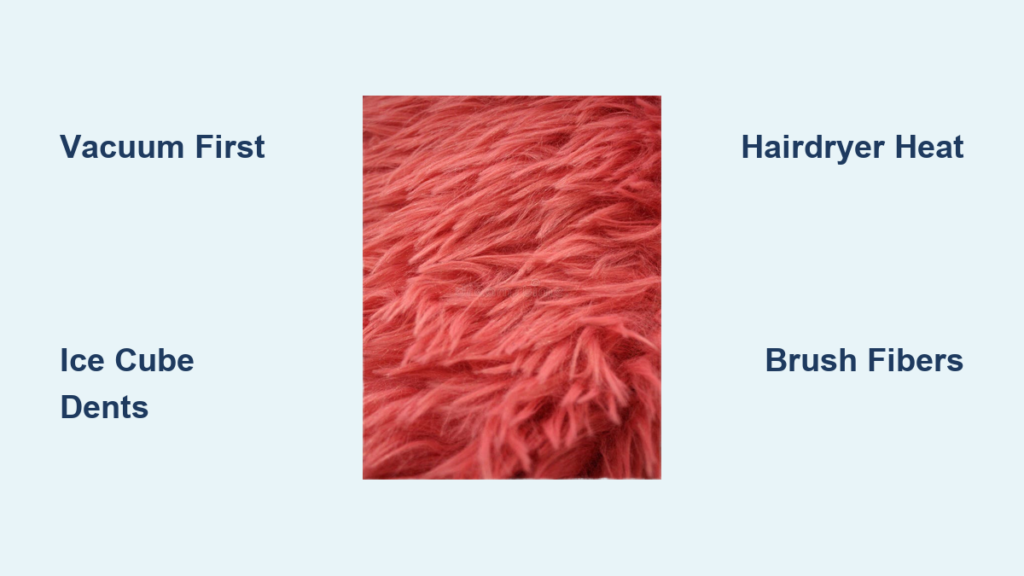
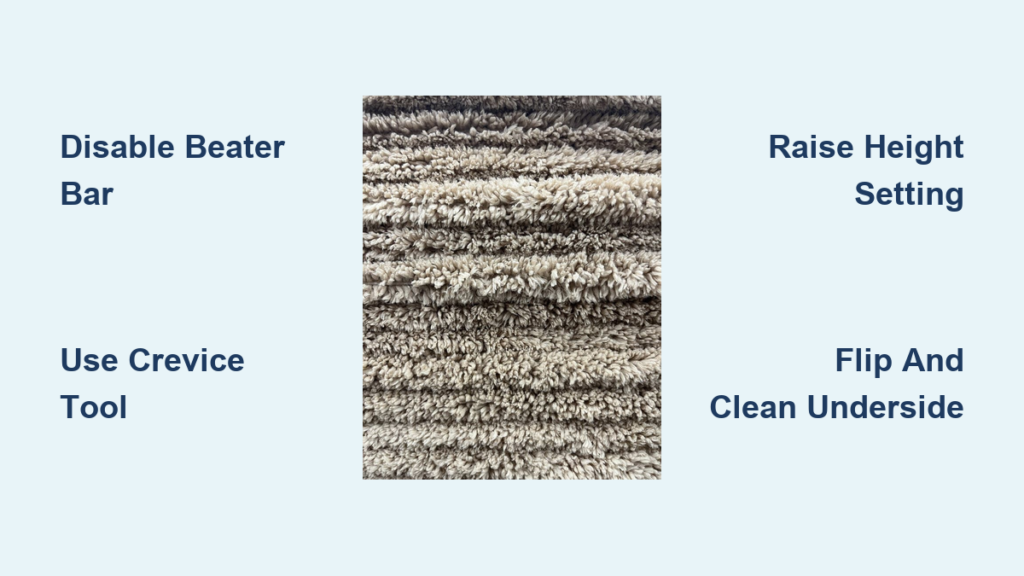
If your plush, shaggy, or ultra-pile rug feels like a dirt magnet, you are not alone. Thick rugs trap dust, pet dander, and debris deep in their fibers, making standard vacuuming ineffective. Using the wrong technique can damage delicate fibers, pull tassels, or degrade latex backings. Many vacuums even get stuck due to excessive suction sealing against dense pile. This guide delivers a proven, step-by-step approach to safely and effectively vacuum any thick rug.
Choose the Right Vacuum Type
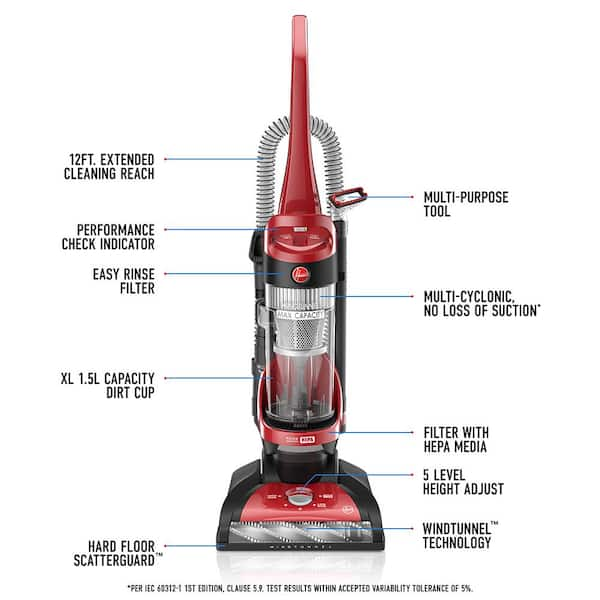
Not all vacuums handle thick rugs equally. Using the wrong model leads to poor cleaning, fiber damage, or mechanical failure. Match your vacuum to your rug is construction and pile height.
Upright Vacuums for Durable Rugs
Use upright vacuums on woven, tufted, or medium-thick area rugs, but only if they have key features. Look for adjustable height settings and a beater bar shutoff switch. Without these, the brush roll can snag fibers and wear down latex backings.
Top performers include the Kenmore Elite, engineered with an ultra plush system that adjusts seamlessly between high- and low-pile surfaces. The Hoover Wind Tunnel excels in embedded dirt removal and sand pickup, making it a high-value choice for homes with thick rugs and hard floors.
Avoid basic uprights without height control. They often create a suction lock, making them nearly impossible to push across plush surfaces.
Robot Vacuums for Hands-Off Cleaning
Modern robot vacuums clean thick rugs effectively when equipped with smart features. The ECOVACS DEEBOT X11 OmniCyclone leads in performance thanks to BLAST suction technology that boosts power on carpets. It features ZeroTangle 3.0 brush roll to prevent fiber snarling, carpet detection, and automatic height adjustment.
Enable Suction-Boost on Carpet and Vacuum Only mode in the ECOVACS HOME app to protect your rug and maximize cleaning. Run Carpet Deep Cleaning mode for double-pass cleaning on ultra-thick piles.
Wet/Dry Vacuums for Shag and Long-Pile Rugs
For shaggy, ultra-plush, or high-fiber rugs, wet/dry vacuums are ideal. They rely on powerful suction, not rotating brushes, so there is no risk of fiber tangling. Since they do not need direct contact, they glide over deep piles without getting stuck.
These vacuums are perfect for capturing large debris and allergens from dense fibers. Just use the crevice tool for targeted cleaning along edges and corners.
Handheld Vacuums for Delicate or Thin Rugs
Choose handheld vacuums for older rugs, delicate weaves, or spot cleaning. Priced between $50 and $120, cordless models offer portability and precision.
Use with the upholstery attachment to gently remove surface dust without stressing fragile fibers. Handheld vacuums are ideal for reversible rugs or lightweight thick rugs that cannot handle heavy machines.
Use Critical Attachments Correctly
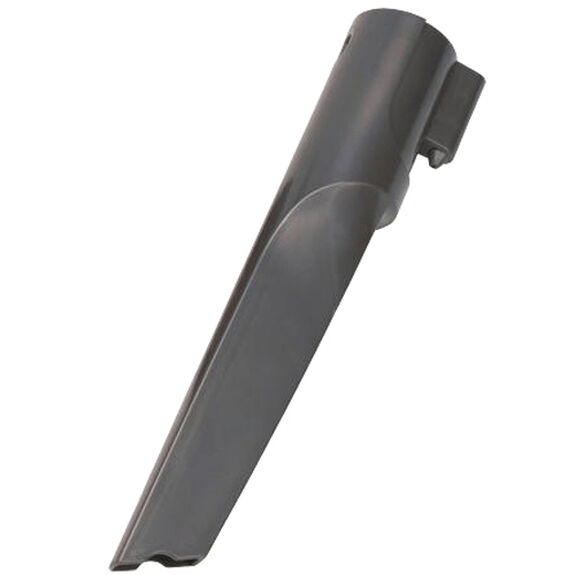
The right attachment makes all the difference. Standard carpet nozzles often clog or drag on thick rugs. Opt for tools that enhance airflow and reduce contact.
Crevice Tool for Deep Cleaning
The crevice tool outperforms standard nozzles on thick rugs. Insert it directly into the hose for maximum suction. Use it to clean deep within shaggy fibers, target edges and corners, and reach the base of the pile where dirt accumulates.
Pro tip: Lift a section of the rug and insert the crevice tool underneath. This captures falling debris as you vacuum the top.
Upholstery Attachment for Gentle Surface Cleaning
Use the upholstery tool on wool, delicate woven, or reversible rugs. Move slowly with short, overlapping strokes, lifting the tool after each pass to avoid dragging fibers.
Always disable the beater bar when using this attachment. It provides strong suction with minimal contact, preserving fiber integrity.
Carpet Rake to Lift and Fluff Fibers
Before and after vacuuming, use a carpet rake or soft-bristle brush to loosen embedded dirt, restore pile volume, remove pet hair from long fibers, and prevent matting.
Brush in the direction of the pile for best results. Fluffing post-cleaning keeps fibers upright, improving appearance and future vacuum efficiency.
Adjust Vacuum Settings Properly
Even the best vacuum fails if settings are wrong. Tailor your machine to your rug is thickness and material to avoid damage and ensure deep cleaning.
Disable the Beater Bar
Always turn off the rotating brush on thick rugs. The beater bar can pull and tangle long fibers, damage fringe and tassels, and degrade latex backings on tufted rugs.
This is especially critical for shag, wool, and hand-knotted rugs. Use suction-only mode with the upholstery or crevice tool instead.
Raise the Height Setting
Set your vacuum to the highest pile setting to prevent suction lock. When suction creates an airtight seal, the machine becomes immovable.
If your vacuum lacks height adjustment, reduce suction power or partially block the airflow to ease movement. On robot vacuums, ensure carpet detection is enabled for automatic adjustment.
Reduce Suction on Delicate Rugs
Excessive suction can distort fibers or lift delicate weaves. For thin thick rugs or older pieces, dial down suction or use a handheld vacuum with gentle settings.
Follow the Step-by-Step Vacuuming Process
A structured method ensures deep cleaning without damage. Follow these six steps for optimal results.
Prepare the Rug and Vacuum
Start by checking the manufacturer is care label, especially for wool, silk, or hand-knotted rugs. Then turn off the beater bar, set height to highest level, and attach crevice or upholstery tool.
For robot vacuums, enable Carpet Detection, Suction-Boost, and Vacuum Only mode. If the rug has tassels, fold them under to prevent tangling.
Pre-Treat with Brushing or Beating
For heavily soiled or infrequently cleaned rugs, beat the underside outdoors with a broom to dislodge compacted dirt. Brush fibers with a carpet rake to lift matted areas and loosen debris.
Fold tassels under the rug during cleaning. Follow immediately with vacuuming to capture dislodged particles.
Vacuum the Top Surface
Use short, overlapping strokes across the width of the rug, not in circles. This improves coverage and reduces fiber stress.
Move slowly to allow suction to penetrate deep. Use crevice tool for edges and high-pile zones. Use upholstery tool for general surface cleaning. For robot vacuums, run Carpet Deep Cleaning mode.
Flip the Rug to Clean the Back
Every 2 to 3 months, flip the rug and vacuum the underside. This removes trapped dirt, pet hair, allergens, and fleas and flea eggs.
Use the crevice tool under lifted sections to catch falling debris. This step is crucial for shaggy and ultra-thick rugs where top-down cleaning misses the base layers.
Clean the Floor Beneath
Dirt accumulates under the rug. After flipping, vacuum and mop the subfloor to eliminate hidden pollutants.
For robot vacuum-mop combos, this happens automatically if mop lift and carpet detection are enabled.
Return and Fluff the Rug
Replace the rug and fluff fibers by hand or with a carpet rake. This restores volume, prevents matting, and keeps fibers upright for better future cleaning.
Apply Rug-Specific Care Tips
Different rugs need different care. Follow these material-specific guidelines to avoid damage.
Shaggy and High-Pile Rugs
Use wet/dry vacuum or robot vacuum with anti-tangle brush. Disable beater bar and avoid mop functions. Vacuum 2 to 3 times per week with pets.
Flip and beat every few months. Use crevice tool for deep cleaning in high-pile zones.
Tufted Rugs
Always disable beater bar because latex backing degrades with brushing. Vacuum in the pile direction with gentle suction.
Avoid beating or aggressive tools. Clean weekly to prevent grime buildup.
Wool Rugs
Vacuum weekly or biweekly in pile direction. Expect initial shedding. Consistent cleaning reduces it over time.
Use gentle suction and no beater bar. Avoid aggressive brushing until fibers stabilize.
Woven and Hand-Knotted Rugs
Durable woven rugs can use upright vacuum with beater bar off. Older or thin rugs need handheld vacuum or upholstery tool.
Hand-knotted rugs never get vacuumed on the back. Exposed knots can snag and cause damage.
Sheepskin Rugs
Do not vacuum, even on low settings. This damages fur and leather backing.
Maintain with a sheepskin brush. For stains, apply cornstarch, let dry, then shake out. Keep out of direct sunlight to prevent yellowing.
Delicate or Silk Rugs
Never use beater bar or standard nozzle. Use horsehair brush for dust removal.
For light cleaning, use upholstery tool with minimal suction. Lift tool after each stroke to avoid dragging.
Maintain Rugs with Long-Term Care
Regular upkeep extends the life of thick rugs and keeps them looking fresh.
Vacuum Frequency Guidelines
Vacuum at minimum once per week for general maintenance. Vacuum 2 to 3 times per week with pets or high traffic.
Vacuum lightly used rugs once every two weeks. Clean the underside every 2 to 3 months.
Rotate and Pad for Even Wear
Rotate thick rugs annually to distribute foot traffic and fading. Use a non-slip rug pad to reduce friction, protect flooring, and improve vacuum glide.
Avoid rubber-backed pads on delicate rugs. They can cause discoloration.
Protect Fringe and Tassels
Keep vacuum attachments away from fringe. Use crevice tool carefully near edges.
Fold tassels under during cleaning. Never let rotating brushes contact fringe.
Avoid Deep-Cleaning Mistakes
Some methods seem helpful but can ruin thick rugs. Know what to skip.
Skip Steam Cleaning and Mopping
Never steam clean shag or thick rugs. Excess moisture saturates deep fibers and causes mold and mildew.
It degrades backing materials and leads to musty odors. If absolutely necessary, use plastic sheeting under the rug and allow 24 to 48 hours to dry completely.
Use Dry Methods for Odors and Stains
For odor removal, sprinkle baking soda or dry carpet powder. Let sit 15 to 30 minutes, then vacuum thoroughly.
For stains, dab lightly with damp cloth. Apply cornstarch or potato starch. Let dry, then brush or shake out. Never over-wet.
Trust Verified Performance Data
Consumer Reports tested vacuums on Shaw is Caress and Karastan ultra-plush samples. The Kenmore Elite performed well across all surfaces without getting stuck.
The Hoover Wind Tunnel scored high in dirt removal and value. The DEEBOT X11 showed no fiber damage when settings were correct.
Robot vacuums do not damage shag rugs when beater bar is off, mop pads are lifted, and anti-tangle brush is enabled.
One user confirmed: after switching to Carpet First mode, my DEEBOT cleaned the shag rug without pulling a single fiber.
Frequently Asked Questions About Vacuuming Thick Rugs
What causes a vacuum to get stuck on a thick rug?
Excessive suction creates an airtight seal between the vacuum and the dense pile, making the machine difficult or impossible to move. Raise the height setting or reduce suction power to prevent this.
Can I use my robot vacuum on a shag rug?
Yes, if the robot has anti-tangle brush rolls, carpet detection, and automatic height adjustment. Enable Carpet Deep Cleaning mode and ensure mop pads are lifted.
How often should I flip my thick rug to clean the underside?
Flip and vacuum the underside every 2 to 3 months. This removes trapped dirt, pet hair, allergens, and flea eggs that top-down vacuuming misses.
Should I use the beater bar on my thick rug?
No. Always disable the beater bar on thick rugs. It can pull fibers, damage fringe, and degrade latex backings on tufted rugs.
Can I steam clean a thick shag rug?
No. Steam cleaning saturates deep fibers, causes mold and mildew, and degrades backing materials. Use dry methods like baking soda instead.
Key Takeaways for Vacuuming Your Thick Rug
Vacuuming thick rugs successfully hinges on using the right tools, adjusting settings, and following a methodical process. Always disable the beater bar, use proper attachments like the crevice tool or upholstery brush, and vacuum in the direction of the pile.
Flip your rug every few months to clean the underside and remove deeply trapped debris. Avoid steam cleaning or excessive moisture, which damages fibers and backings.
Whether you use an upright, robot, or handheld vacuum, these proven steps ensure deep cleaning without damage. Your thick rug will stay plush, fresh, and allergen-free for years to come.