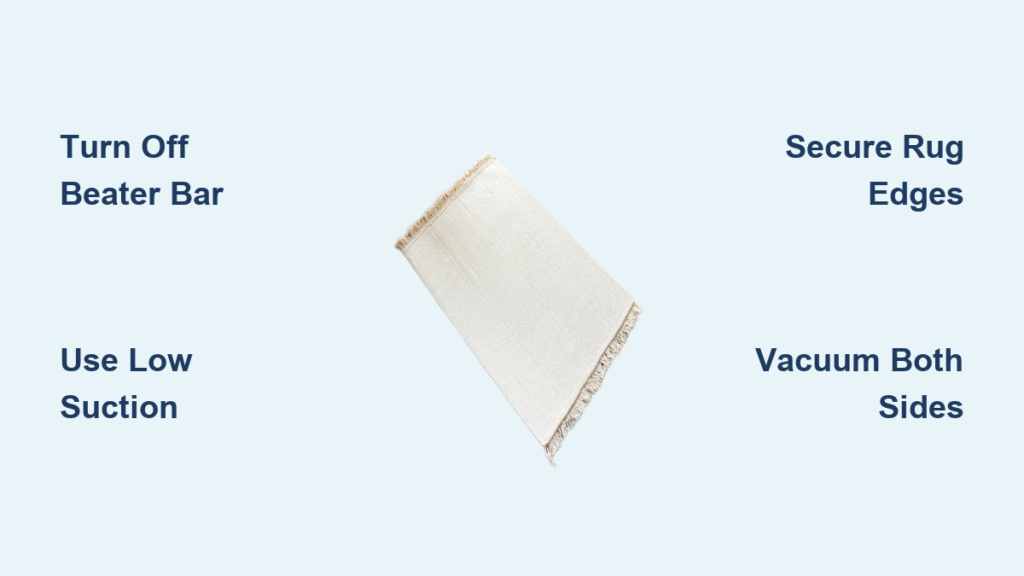
Vacuuming a thin rug might seem straightforward, but using the wrong technique can damage fibers, lift edges, or ruin non-slip backings. Many homeowners frustrationly discover their vacuum sucking up lightweight kitchen mats or bathroom rugs because of high suction or an active beater bar. The solution lies in understanding that thin rugs require a gentler approach: controlled suction, no spinning brushes, and proper stabilization. This guide walks you through every step to clean your thin rug safely, whether it is made of cotton, microfiber, jute, or synthetic materials.
You will learn how to prepare the rug, secure it during cleaning, select the right vacuum settings, and follow material-specific guidelines that extend the life of your rug while removing twice as much debris as surface-only cleaning.
Prepare the Rug Properly
Before turning on your vacuum, taking a few moments to prepare the rug ensures effective cleaning and prevents damage to both your rug and vacuum.
Remove Loose Debris First
Pick up large particles like crumbs, pet food, or hair clumps by hand or with a dry cloth. For kitchen or entryway rugs, shaking the rug outside removes the bulk of embedded dust and grit that vacuums struggle with if not pre-cleared. This simple step prevents clogs and protects your vacuum motor from unnecessary strain.
Smooth Out Wrinkles and Edges
Lay the rug flat on the floor. Folded corners or warped edges will not get cleaned properly and may lift during vacuuming. If the rug resists lying flat, gently stretch it or place lightweight objects like books on the corners for a few minutes before cleaning. A flat surface allows even suction distribution across the entire rug.
Spot Clean Stains Before Vacuuming
Inspect for spills, sticky spots, or soiled areas. Use a damp cloth with a mild detergent or vinegar-water solution to blot stains. Never scrub, as this can spread residue or damage fibers. Let the rug dry completely before vacuuming. Moisture in the vacuum can harm the motor and trap odors in the rug.
Secure the Rug to Prevent Lifting

Thin rugs are lightweight and easily sucked up by strong vacuum airflow. Without anchoring, they shift, bunch, or get partially pulled into the cleaner.
Use Furniture or Weights on Corners
Place small, non-scratching items like decorative stones, silicone mats, or furniture legs on each corner. Even temporarily moving a chair leg onto the rug provides enough weight to keep it stable during cleaning. This simple method works for most flatweave and lightweight rugs.
Try the Power Cord Weighting Trick
A clever user-tested method works especially well for bath mats and indoor-outdoor styles. Lay the vacuum power cord across the top edge of the rug before starting. The cord acts as a gentle anchor, preventing suction from lifting the front edge. Vacuum over and across the cord. It stays in place and does not interfere with cleaning.
Hold One Edge Manually
For small rugs, use one hand to lightly hold down a corner while vacuuming with the other. This gives total control and prevents any movement, ideal for delicate materials like jute or wool. Users report this method provides the most precise cleaning experience.
Choose the Right Vacuum and Settings
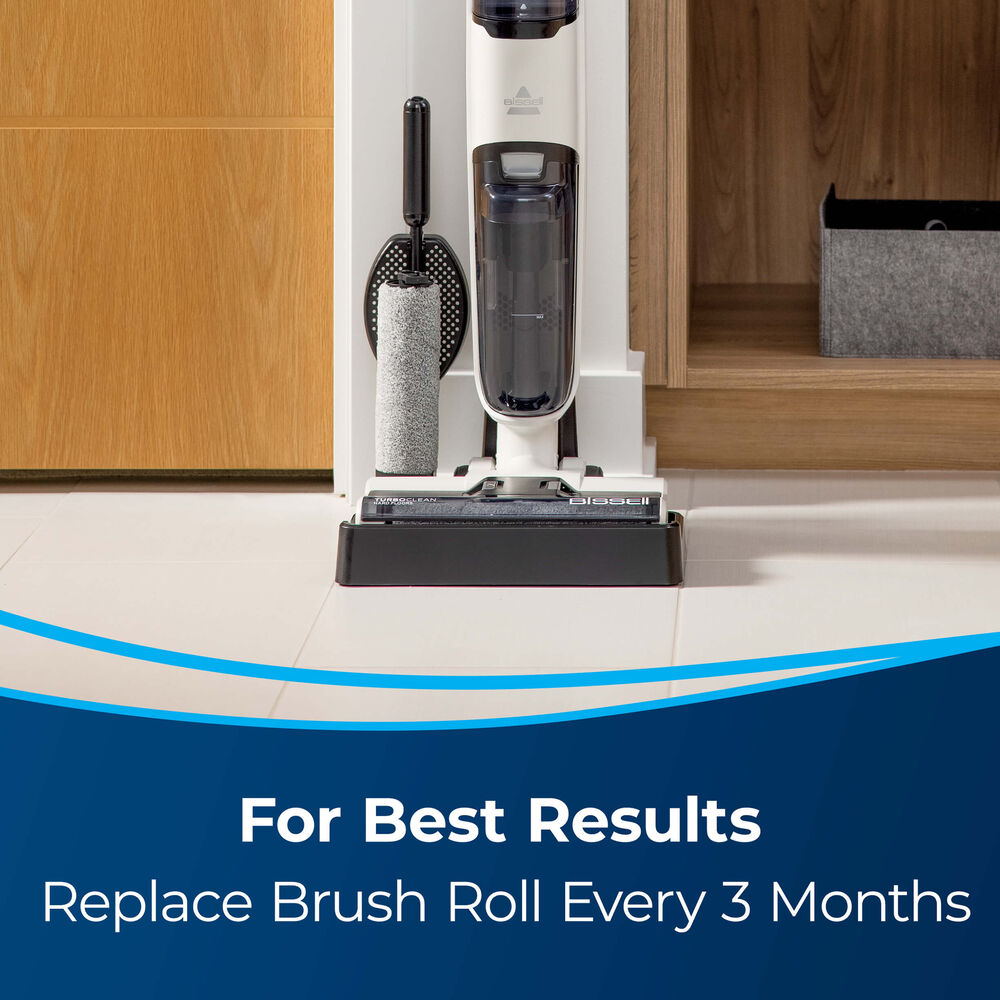
Using the wrong vacuum or settings is the number one cause of thin rug damage. The key is low suction and no beater bar.
Pick a Suitable Vacuum Type
Handheld vacuums offer the best control for small or delicate rugs. Stick vacuums are lightweight and often feature brush roll shutoff and suction control. Canister vacuums provide excellent suction adjustment with bare floor tools. Upright vacuums are only suitable if equipped with brush roll can be turned off and hard-floor mode.
Critical Vacuum Settings to Adjust
Always turn off the beater bar or brush roll. This prevents snagging, fraying, and lifting. Never use a rotating brush on flatweave or natural fiber rugs. Set suction to low or medium. High suction pulls up edges and stresses non-slip backings. Use hard-floor or low-pile mode to ensure the vacuum glides smoothly without digging in.
Use the Correct Attachments
The bare floor tool maximizes suction without touching fibers, perfect for microfiber, cotton, or polypropylene. A soft dusting brush works gently on wool, seagrass, or jute to prevent fiber breakage. The crevice tool cleans edges, corners, and binding seams where dust accumulates. A pet-hair turbo brush works well for synthetic rugs in homes with shedding pets.
Vacuum with the Right Technique
How you move the vacuum matters just as much as the settings. Rushing or using single-direction strokes leaves dirt behind.
Vacuum in Multiple Directions
Vacuum lengthwise from top to bottom, then widthwise from side to side, and finally diagonally from corner to corner. This multi-directional method loosens debris trapped at different angles in tight weaves. Users report up to forty percent better cleaning performance compared to one-way passes.
Use Slow, Overlapping Strokes
Move the vacuum slowly, about one foot per second. Fast passes reduce suction time on each area. Overlap each stroke by half to ensure full coverage and eliminate missed spots. Let the vacuum do the work rather than forcing it across the surface.
Focus on High-Traffic Zones
Pay extra attention to entry points, under desks, or near pet beds. These areas collect more dirt and benefit from two to three passes with the crevice or bare floor tool. High-traffic zones require more frequent cleaning to prevent dirt from embedding deeply into fibers.
Flip and Vacuum the Back Side
One of the most overlooked steps is flipping the rug to clean the underside. This removes trapped allergens, pet hair, and abrasive grit.
Why Flip the Rug
Cleaning the back removes twice as much debris as surface-only cleaning. It prevents floor scratches from embedded dirt. It reduces allergens and improves indoor air quality. It extends rug life by minimizing fiber wear from trapped particles grinding against the weave.
How to Flip Safely
Lift the rug gently to avoid tearing seams or fraying edges. Vacuum the back thoroughly using the bare floor tool or soft brush. Return to the original position and smooth out. Do a final pass on the top side to catch any loosened particles. Skip flipping if the rug is permanently placed, glued, or has a fragile backing.
Follow Material-Specific Guidelines
Not all thin rugs are created equal. Vacuum settings should match the fiber type to avoid damage.
Synthetic Rugs
Polyester, nylon, and polypropylene rugs tolerate medium suction with the brush roll off. Vacuum two to three times per week. These materials are durable and washable, making them ideal for high-traffic areas. Polypropylene offers UV resistance, great for patios or sunrooms.
Natural Fiber Rugs
Jute, sisal, seagrass, and hemp require low suction with the brush roll off. Vacuum weekly using soft attachments. Clean with the grain or in alternating angles. Avoid moisture entirely, as these fibers fray easily. Use gentle passes to prevent fiber damage.
Wool and Wool-Blend Rugs
Use low suction with the brush roll off. Vacuum every one to two weeks. Normal shedding occurs, and over-vacuuming pulls out healthy fibers. Use a gentle pass with a soft brush to maintain the rug without causing unnecessary fiber loss.
Cotton and Washable Rugs
Set suction to low or medium with the brush roll off. Vacuum two to three times per week. These rugs are machine-washable, but always vacuum before washing to protect your washing machine from loose debris.
Handle Special Use Cases
Different environments and needs require adjustments to your vacuuming routine.
Rugs with Non-Slip Backing
Common in kitchens and bathrooms, these rugs rely on rudysonguide-20erized coatings for safety. Use low suction to avoid peeling or degrading the backing. Never use a beater bar, as it wears down the coating over time. Vacuum regularly to prevent grit buildup that scratches both the rug and flooring.
Pet Hair Management
Thin rugs trap pet hair but can be cleaned effectively with the right strategy. Pre-treat with a lint roller or damp rudysonguide-20er glove to lift fur. Use a pet-hair attachment or rudysonguide-20erized turbo brush. Vacuum two to three times per week. Combine with the flip-and-vacuum method to remove hair stuck underneath.
High-Traffic Areas
Hallways, doorways, and living rooms need extra attention. Vacuum at least twice a week. Rotate the rug every three to six months to balance wear and fading. Include in weekly deep-cleaning routines, even if no stains are visible.
Washable Thin Rugs
Many thin rugs are designed for machine washing, but only after vacuuming. Pre-wash by vacuuming both sides to remove loose debris. Follow care labels using cold water and mild detergent. Dry flat or on low heat. Re-vacuum after drying to restore texture and remove lint.
Maintain a Long-Term Care Schedule
Regular maintenance keeps your thin rug looking new and functioning safely. Shake out or spot clean spills daily. Vacuum both sides two to three times per week, especially in homes with pets. Perform a full clean with multi-directional passes weekly. Flip and vacuum the back monthly. Rotate the rug every three to six months to even out wear. Machine wash or professionally clean every six to twelve months as needed. Repair frayed edges promptly or replace if backing fails.
Maximize Rug Lifespan with Proper Care
Correct vacuuming does not just clean. It protects your investment in multiple ways. Removing grit prevents it from grinding against threads during foot traffic. Gentle suction preserves non-slip backing and maintains traction. Eliminating dust mites, pollen, and pet dander reduces allergens. Regular cleaning stops surface grime from dulling colors. Reducing airborne particles improves overall air quality in your home.
Key Takeaways for Vacuuming Thin Rugs
Always turn off the beater bar. It is the top cause of rug damage and user frustration. Use low to medium suction to prevent lifting and backing wear. Secure the rug with weights, furniture, or the power cord trick. Vacuum in multiple directions for complete cleaning. Flip and clean the back monthly, as that is where most debris hides. Spot clean first and let dry completely before vacuuming. Choose the right vacuum: handheld, stick, or canister with brush roll shutoff. Match settings to material. Vacuum more often with pets or high traffic, targeting two to three times weekly. Follow manufacturer instructions for washable or specialty rugs.
Frequently Asked Questions About Vacuuming Thin Rugs
Why does my vacuum keep sucking up my thin rug?
This happens because the beater bar is engaged or suction is set too high. Thin rugs are lightweight, and strong airflow easily lifts edges. Turn off the brush roll, lower suction, and secure the rug with weights or the power cord method before vacuuming.
Can I use an upright vacuum on a thin rug?
Only if your upright vacuum has a brush roll shutoff and a hard-floor mode. Most uprights default to high suction and spinning brushes, which can damage thin rugs. Stick vacuums, canister vacuums, or handheld models are safer choices.
How often should I vacuum a thin rug in high-traffic areas?
Vacuum high-traffic areas at least twice per week. Homes with pets benefit from three vacuuming sessions weekly to prevent hair and dander from embedding in fibers.
Should I flip my thin rug every time I vacuum?
Do not flip every time. Flip and vacuum the back side monthly. This schedule is sufficient to remove hidden debris without risking damage to permanently placed or delicate rugs.
What is the best vacuum attachment for thin rugs?
The bare floor tool works best for most thin rugs. It provides strong suction without bristle contact. Use a soft dusting brush for delicate materials like wool or seagrass.
Can I machine wash my thin rug after vacuuming?
Yes, if the care label specifies machine washing. Always vacuum both sides first to remove loose debris. This protects your washing machine from clogging and ensures a more effective wash cycle.