You unroll your new rug, step back, and cringe. The corners curl like old newspaper. Ripples snake across the surface. Maybe there is a dent from the box or a bump where it was folded. You are not alone. Most rugs arrive with wrinkles, creases, or curling edges due to tight rolling during shipping. Even stored or furniture-damaged rugs develop dents and buckling over time. The good news? you can smooth out a rug quickly and safely using simple household tools and proven techniques. This guide reveals the fastest, safest methods to flatten any rug by imperfection type, material, and floor surface so you get a sleek, hazard-free finish without damage.
Whether you are dealing with a polypropylene flatweave fresh from the box or a plush wool rug dented by years under a sofa, the right approach makes all the difference. We will cover how to reverse curling, erase creases, lift dents, and prevent future wrinkles using heat, moisture, weight, and smart tools. You will also learn what to avoid like direct ironing on synthetics and how to keep your rug flat long-term with rug pads and maintenance.
Flatten Curling Edges in Hours
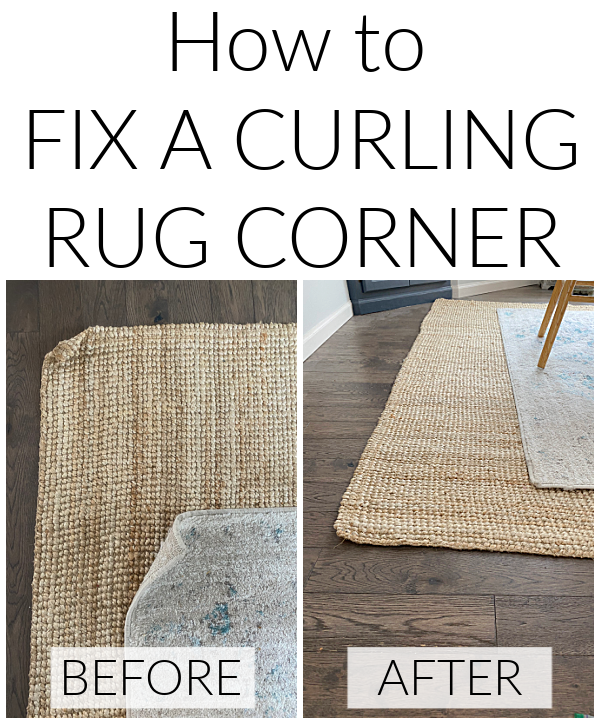
New rugs often curl at the edges because fibers remember the roll they were shipped in. This is most common in synthetic rugs like polypropylene and polyester flatweaves. The goal is to break that memory and encourage the fibers to relax flat.
Reverse Unroll Immediately
As soon as you unbox the rug, unroll it in the opposite direction of the original roll. If it was rolled left-to-right, unroll it right-to-left. This counteracts the natural curl. Lay it flat on the floor and let it rest for 24 to 72 hours. Most synthetic rugs begin to flatten naturally within a day just from gravity and room warmth.
Place heavy books or small furniture like side tables along the curled edges to apply gentle, even pressure. Avoid pointy legs. Use flat-bottomed weights to prevent new dents.
Use Heat to Relax Fibers
Heat expands fibers, helping them release stored tension. Two safe methods work well.
The sunlight method involves laying the rug in direct sunlight for 1 to 2 hours. Flip it halfway through for even exposure. Sun warmth softens fibers without risk of scorching.
The hairdryer method requires holding a hairdryer 6 to 9 inches away on low or cool heat. Sweep slowly over curled edges. Never overheat. Synthetics can melt and wool can shrink. Keep the dryer moving to avoid concentrated heat spots.
Mist and Weight the Back
Light moisture relaxes both synthetic and natural fibers. Lightly mist the back of the rug with water. Never soak it. Then roll the rug in the opposite direction, secure with tape, and leave for a few hours. Unroll it flat and weigh down edges with books. The combination of moisture and reverse pressure breaks the curl pattern fast.
Remove Creases Without Damage
Creases are sharp folds caused by improper storage or stacking. They are common in thick wool rugs or hand-knotted pieces. Fixing them requires slow fiber expansion. Never force a crease open.
Steam With a Towel Barrier
This is the number one method for removing deep creases safely.
Lay the rug backing-side up. Dampen a clean cotton towel. It should be moist, not dripping. Place it over the creased area. Use a steam iron or garment steamer on low heat. Iron or steam in slow, sweeping motions.
The towel protects the rug while steam penetrates and relaxes compressed fibers. Repeat as needed, re-wetting the towel. This method works best for polypropylene, polyester, and synthetic blends. Avoid on wool or silk unless you are experienced.
Apply Weight After Steaming
After steaming, place heavy books or boxes directly over the treated crease. Leave for 6 to 12 hours. The weight helps fibers re-form flat as they cool and dry. This combination of steam and pressure delivers near-instant results.
Try the Ice Cube Trick for Dents
For dents from furniture or stacked storage, try this effective approach.
Place ice cubes directly on the dent. Let them melt slowly. This introduces moisture deep into compressed fibers. Once the area is slightly damp, let it dry naturally. Gently fluff the pile with a spoon edge or soft brush.
This method works especially well on high-pile synthetic rugs. The cold water swells the fibers, helping them bounce back.
Fix Wrinkles on Hard or Carpeted Floors
Wrinkles are soft ripples that form when a rug shifts or traps air underneath. They are common on hardwood, tile, or carpeted subfloors.
Smooth by Hand From the Center
Lift the rug slightly and re-lay it from the center outward. Use flat palms to push air toward the edges. This eliminates trapped air pockets that cause bubbling. For large rugs, work in sections and enlist help to avoid dragging.
Use a Non-Slip Rug Pad
The most effective long-term fix for wrinkles is a non-slip rug pad. It grips both the floor and the rug, preventing movement and bunching.
For hardwood and tile, use a felt-rubber pad like Supergrip2. For carpeted floors, choose a gripper underlay like Foxi Anti-Creep. Rug pads reduce wrinkling by 95 percent according to user feedback and also protect your floor and extend rug life.
Tape Corners Temporarily
For an instant fix, use indoor carpet tape on corners. Choose residue-free tape so it will not damage floors when removed. This is ideal for high-traffic areas or while waiting for a rug to settle.
An alternative is to use DIY corner weights. Self-adhesive vinyl tiles or decorative rug weights hold edges down without tape.
Restore Flattened Pile and Bumps
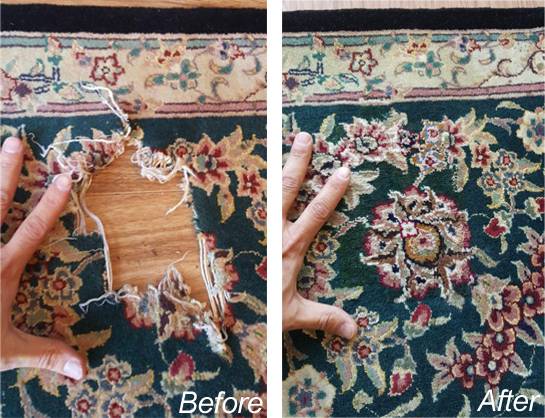
Furniture dents or heavy foot traffic can compress rug fibers, leaving visible bumps or sunken areas. Reviving the pile is simple with the right tools.
Fluff With a Spoon or Brush
Use the edge of a spoon or a soft-bristled brush to gently lift matted fibers. Work in circular motions to restore volume. This is safe for all rug types, including wool and synthetics.
Vacuum After Fluffing
After lifting the fibers, vacuum the area thoroughly. This removes dust and helps fibers stand upright. Use an upright or handheld vacuum with suction only. Avoid beater bars on delicate rugs.
Boost With Cool Hairdryer Air
While brushing, use a hairdryer on cool or low heat to expand fibers slightly. The warm air helps them regain shape faster. Keep the dryer 6 inches away and move constantly.
Avoid high heat, especially on wool or polypropylene, which can shrink or melt.
Prevent Future Wrinkles and Curls
Once your rug is flat, keep it that way with smart habits and tools.
Always Roll, Never Fold When Storing
Folding creates permanent creases. Always store rugs rolled, with the pile facing inward. For long-term storage, wrap in breathable fabric like cotton sheeting and keep in a dry, climate-controlled space. Avoid basements or attics with high humidity.
Rotate Every Six Months
Rotate your rug 180 degrees every six months to ensure even wear. This prevents one side from compressing more than the other and extends its life by 30 to 50 percent.
Control Indoor Humidity
Maintain humidity between 30 and 50 percent. Too much moisture causes fibers to swell and buckle. Too little makes them brittle. Use a dehumidifier in summer and a humidifier in winter to stabilize conditions.
Vacuum Weekly
Regular vacuuming prevents dirt from grinding into fibers and causing matting. For high-traffic areas, vacuum 2 to 3 times a week. Use suction-only mode on delicate or flatweave rugs.
Material-Specific Safety Tips
Not all rugs respond the same to heat, moisture, or pressure. Always check the fiber type before treating.
Polypropylene and Polyester Rugs
These materials respond well to steam, reverse rolling, and sunlight. Avoid direct ironing, which melts fibers. Also avoid soaking or high heat. The best method is steam plus towel plus weight.
Wool Rugs
Wool is delicate and can shrink or felt from heat and moisture. Avoid soaking, direct steam, or high heat. The best method is ice cube dent removal, gentle brushing, and low-heat steaming from a distance.
Cotton and Jute Rugs
Cotton shrinks with water and heat, so air dry only. Jute and sisal degrade with moisture, so never wet them. The best method is dry methods only, including weights, brushing, and rug pads.
Hand-Knotted and Antique Rugs
These rugs have high value and high risk. Avoid DIY steaming or ironing. The best action is to consult a professional rug cleaner with IICRC certification.
Tools You Will Need and What to Skip
You do not need fancy gear. Most tools are already in your home.
You must have heavy books or furniture for weight, a spray bottle for light misting, a hairdryer on low heat, a cotton towel for steaming, a spoon or soft brush for fluffing, and a non-slip rug pad for long-term fix.
Skip adhesives, which can damage rug backing. Skip direct ironing, which carries high risk of melting or scorching. Skip excessive water, which leads to mildew, especially in wool.
When to Call a Professional
DIY methods work for 90 percent of rug issues. But if you have antique or high-value rugs, deep buckling from water damage, or creases that will not respond to steam or weight, it is time to call a professional rug restorer.
Look for IICRC certification, experience with your rug type, and positive reviews with before-and-after photos. Professionals use industrial steamers, stretching frames, and dry cleaning methods that restore even the most damaged rugs safely.
Frequently Asked Questions About How to Smooth Out a Rug
How do you flatten a rug quickly?
Use heavy furniture or books on curled edges. Combine with light steaming or hairdryer heat while smoothing manually. Apply indoor carpet tape to corners for immediate adhesion.
How do you get creases out of a new rug?
Roll in the reverse direction for several hours. Steam with a towel barrier or use a low-heat iron while smoothing by hand. Allow a 24-hour rest period after unrolling.
How do you get dents out of area rugs?
Place ice cubes on the dented spot and let them melt. Fluff with a spoon edge or brush. Vacuum thoroughly afterward.
How do you fix a rug that is curling up?
Tape corners with rug tape or adhesive pads. Dampen curled edges lightly and weigh down with books until dry.
Why does a new rug curl?
This happens because of fiber memory from being rolled during shipping and storage. Exposure to warm temperatures during transit reinforces the curl. Most rugs will flatten naturally over 1 to 2 weeks, but active methods speed up the process.
Can you iron a rug to flatten it?
Yes, but only with a protective layer like a white towel. Use low to medium heat with steam. Never place an iron directly on a rug. There is risk of melting synthetics or scorching natural fibers.
Key Takeaways for Smoothing Out Your Rug
Flattening a rug is not guesswork. It is science. By matching the method to the imperfection and material, you can fix curls, creases, dents, and wrinkles in hours, not weeks. The key is controlled heat, gentle moisture, even pressure, and the right tools.
For curling edges, reverse unrolling combined with weight and light heat works fastest. For deep creases, the steam and towel method followed by weighted pressure delivers the best results. For furniture dents, the ice cube trick swells fibers back to their original shape.
Once your rug is flat, use a non-slip rug pad and rotate it every six months to keep it that way. Proper storage by rolling instead of folding and maintaining indoor humidity between 30 and 50 percent prevents future problems. With these steps, your rug will stay smooth, safe, and beautiful for years.