If your cat keeps peeing on the rug, you are not alone. This is one of the most common feline behavior issues that leads to pets being surrendered to shelters. The good news? Your cat is not doing this out of spite or defiance. Cats urinate outside the litter box as a way to communicate pain, stress, or discomfort. Understanding the root cause is the first step toward solving the problem.
This guide provides a comprehensive, step-by-step plan to stop rug urination for good. You will learn how to rule out medical conditions, clean affected areas properly, optimize your litter box setup, reduce stress, and retrain your cat using positive reinforcement techniques.
Rule Out Medical Causes First
Veterinary care must be your first priority when addressing inappropriate urination. Ignoring medical causes makes behavioral fixes useless, because a cat in pain will avoid the litter box no matter how clean it is.
Signs Your Cat Needs Immediate Vet Attention
Watch for these warning signs that indicate a health problem:
- Straining to pee or crying while urinating
- Blood in the urine
- Frequent trips to the box with minimal output
- Excessive genital licking
- Hiding or unusual lethargy
- Increased thirst or changes in appetite
A blocked urethra, especially in male cats, is life-threatening. If your cat is straining but passing no urine, seek emergency veterinary care immediately.
Common Medical Triggers by Age
Medical conditions vary by age group. Cats under 7 commonly face urinary tract infections, bladder crystals, or stress-related cystitis. Cats between 7 and 10 may show early kidney issues or mild arthritis. Cats over 10 are at higher risk for chronic kidney disease, diabetes, joint pain, and cognitive decline that affect bladder control.
What the Vet Will Check
Your veterinarian will perform a physical examination and likely run a urinalysis to detect infection, crystals, or pH imbalances. Blood work assesses kidney function and blood sugar levels. X-rays or ultrasound may be recommended if bladder stones are suspected. Even older cats with no obvious symptoms may have early-stage kidney disease or diabetes.
Clean the Rug the Right Way
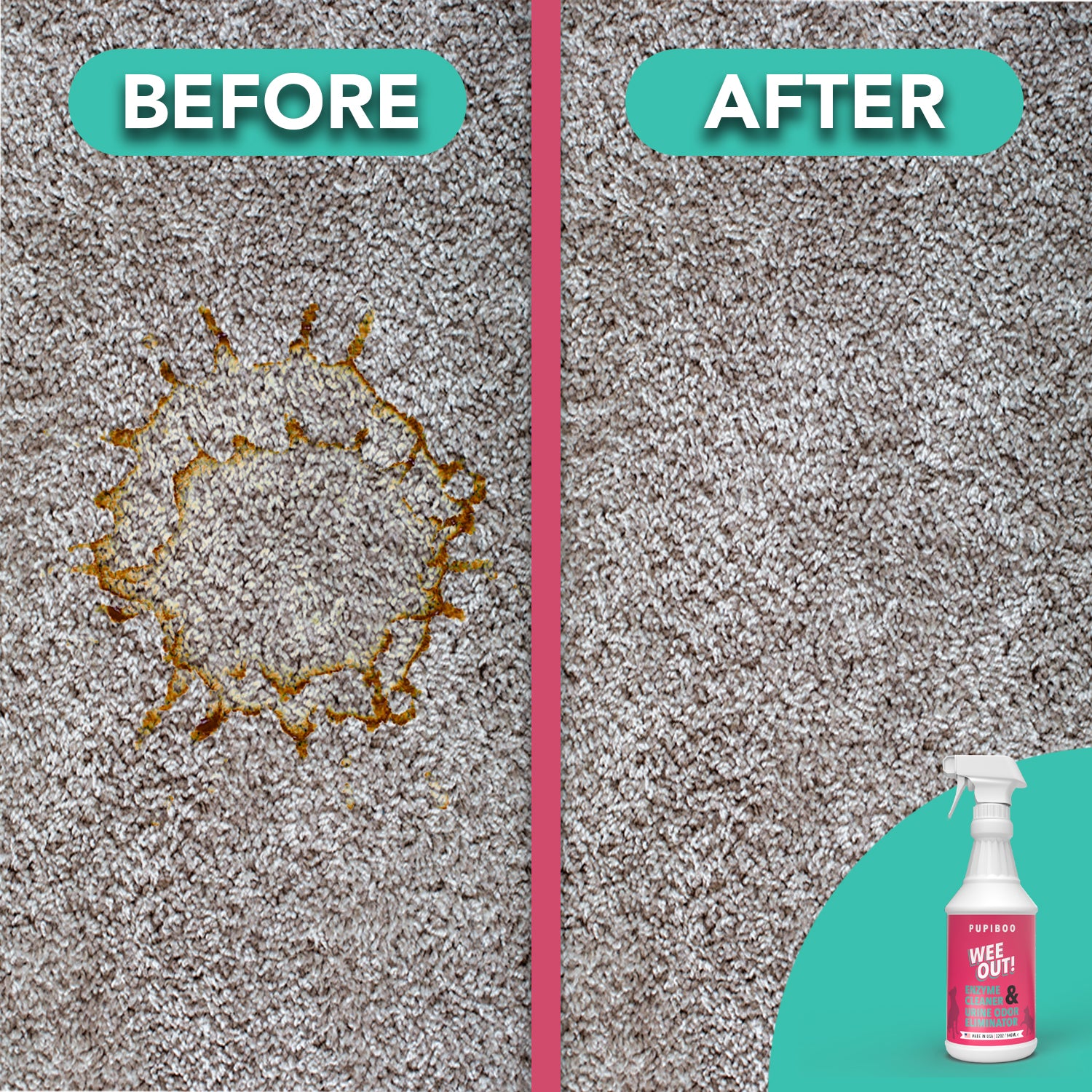
Regular household cleaners fail to eliminate urine enzymes and often make the problem worse. Cats have 45 to 200 million scent receptors, so they can detect residual odor that humans cannot smell.
The Only Effective Solution: Enzyme-Based Cleaners
Enzyme-based cleaners break down odor-causing bacteria at the molecular level. Recommended brands include Nature’s Miracle, Rocco & Roxie, and Anti-Icky-Poo. These products are specifically designed to eliminate the proteins in cat urine that cause repeat marking.
Step-by-Step Cleaning Process
- Blot excess urine with paper towels without rubbing
- Saturate the affected area with enzyme cleaner
- Let it sit for 30 to 60 minutes following product instructions
- Blot dry or use a wet vacuum
- For machine-washable rugs, wash in hot water with enzyme detergent
If urine has soaked into the padding or subfloor, replace the padding or treat the subfloor with enzyme spray. Otherwise, re-soiling is very likely.
Hidden Triggers to Watch For
Rubber rug backing emits an ammonia-like smell that cats mistake for urine. Second-hand rugs may carry traces of previous pet odors. New rugs might be marked as territory. Consider professionally cleaning second-hand rugs before use and temporarily covering new rugs with deterrents.
Fix Litter Box Problems
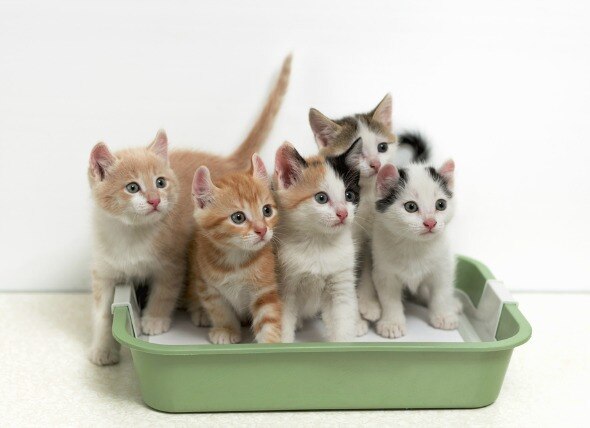
Litter box dissatisfaction is one of the most common reasons for inappropriate urination. Addressing these issues often resolves the problem entirely.
Follow the n + 1 Rule
Provide one more litter box than the number of cats in your home. One cat needs two boxes. Two cats need three boxes. This prevents competition and ensures availability if one box is dirty or hard to reach.
Choose the Right Litter
Cats are notoriously picky. Avoid scented litters, dusty textures, and silica crystals. The best options include unscented scoopable clay, Cat Attract litter with herbal attractants, and recycled paper for sensitive paws. Test different types in separate boxes to discover your cat’s preference.
Optimize Box Location and Type
Place litter boxes in quiet, low-traffic areas away from kitchens and laundry rooms. Put at least one box on each floor of multi-level homes. Use uncovered, low-entry boxes, especially for senior cats. Never place food or water next to the litter box, as cats avoid eliminating near eating areas.
Keep Boxes Spotless
Scoop the litter daily and perform a full change with box washing weekly. Use mild, unscented soap and avoid ammonia-based cleaners. Replace litter boxes every 6 to 12 months because plastic absorbs odors over time.
Reduce Stress and Anxiety
Stress is a major trigger for inappropriate urination. Cats may choose familiar-smelling spots like rugs with your scent because they feel safer there.
Common Stress Triggers
Look for these potential stressors in your home:
- New pets or people introduced recently
- Furniture rearrangement
- Loud noises from storms or fireworks
- Outdoor cats visible through windows
- Changes in routine regarding feeding or cleaning
Use Calming Pheromones
Feliway mimics feline facial pheromones and helps cats feel secure. Available as plug-in diffusers covering up to 700 square feet or as sprays for problem areas and bedding. Use for at least 4 to 6 weeks for best results, particularly in multi-cat homes or after moves.
Create a Cat-Friendly Environment
Provide vertical space with cat trees and shelves. Offer hiding spots like boxes and tunnels. Use interactive toys to reduce boredom. Feed from puzzle toys to stimulate natural hunting behavior. Even indoor cats need mental enrichment to prevent stress-related behaviors.
Stop the Behavior with Deterrents
While cleaning and litter optimization address the root causes, deterrents help break the habit in the short term.
Use Scents Cats Hate
Cats avoid strong citrus or herbal smells. Safe, effective options include citrus peels, white vinegar spray, and diluted peppermint or lavender essential oil.
DIY Deterrent Spray Recipe
Boil 1 cup of citrus peels in 2 cups of water for 20 minutes. Cool, strain, and add 2 teaspoons of lemon juice. Pour into a spray bottle and apply to rug edges and corners.
Alternatively, mix 1 part water, 1 part white vinegar, and 1 part liquid hand soap. Shake well before use. Always test on a hidden area first to avoid staining.
Physical Barriers
Temporarily use aluminum foil, double-sided tape, or plastic carpet runners nubby-side up to make the area uncomfortable. Motion-activated air sprayers startle cats without causing harm. Remove these barriers once the habit breaks.
Retrain Your Cat to Use the Box
Retraining requires patience and consistency, especially in older cats who have developed a habit.
Start with Confinement
Limit your cat’s space to a small room containing food, water, bed, and one clean litter box. Let them out only after using the box consistently for 3 to 5 days. This rebuilds positive litter habits without distractions.
Use Positive Reinforcement
Reward correct behavior immediately. Give a treat the second your cat exits the litter box. Use verbal praise. Avoid punishment, as yelling or rubbing their nose in urine increases fear and worsens the problem.
Try the Feeding Trick
After thoroughly cleaning the rug, place food or treats on the spot. Cats instinctively avoid eliminating where they eat. Only attempt this after full odor removal, because if urine remains, your cat may refuse to eat in that area.
Special Tips for Senior Cats
Cats over 10 face unique challenges that require special accommodations.
Age-Related Issues
An older cat may have arthritis making high-sided boxes painful to enter. Kidney disease increases urination frequency. Cognitive decline may cause confusion about box location. These issues directly impact litter box use.
Senior-Friendly Solutions
Use low-entry boxes by cutting down one side of a plastic storage bin. Place extra boxes on the main living level. Switch to softer, fine-grained litter. Schedule biannual vet check-ups for early detection of age-related conditions.
Debunking Common Myths
Several misconceptions prevent cat owners from solving this problem effectively.
The myth that cats pee for attention is false. This behavior signals distress, not manipulation. Punishment does not work and only increases anxiety. One litter box is not ideal, especially in multi-cat homes. Only enzyme cleaners destroy urine enzymes. Neutered cats can still spray under stress.
Long-Term Prevention Plan
Maintaining progress requires ongoing attention to your cat’s needs.
Daily and Monthly Habits
Scoop litter daily and clean accidents immediately with enzyme spray. Monitor for changes in urination frequency or behavior. Monthly, wash litter boxes thoroughly and rotate or replace old boxes. Recharge Feliway diffusers or replace spray bottles as needed.
Track Progress
Keep a urination log recording date, time, location, and possible triggers. This helps identify patterns and adjust your approach accordingly.
Frequently Asked Questions About Cat Urinating on Rugs
Why does my cat suddenly start peeing on the rug?
Sudden changes in urination usually indicate a medical problem. Urinary tract infections, kidney disease, diabetes, or arthritis can cause cats to avoid the litter box. Schedule a vet visit immediately to rule out health issues.
Can cats be trained to stop peeing on rugs?
Yes, cats can be retrained. Start with a veterinary examination, then deep clean the affected areas with enzyme cleaner. Optimize litter box setup and use positive reinforcement when your cat uses the box correctly. Consistency and patience are key.
What smell will keep cats from peeing on rugs?
Cats dislike strong citrus smells, peppermint, and vinegar. Use diluted citrus sprays or vinegar solutions on rug edges to deter urination. Always test on a hidden area first and ensure thorough cleaning underneath any deterrent application.
How long does it take to stop inappropriate urination?
The timeline varies depending on the cause. Medical issues resolve once treated. Behavioral retraining typically takes 2 to 4 weeks with consistent effort. Senior cats or those with long-established habits may need longer. Continue all interventions for at least 6 weeks before evaluating success.
Should I punish my cat for peeing on the rug?
Never punish your cat for inappropriate urination. Punishment increases anxiety and fear, which worsens the problem. Cats do not urinate outside the box to spite their owners. They are signaling discomfort or stress. Focus on positive reinforcement and addressing underlying causes.
Key Takeaways for Stopping Cat Urination on Rugs
The most important step is ruling out medical causes with a veterinary visit. Conditions like urinary tract infections, kidney disease, and arthritis are common culprits that behavioral fixes cannot address. Once health issues are managed, deep clean all affected areas with enzyme-based products to remove residual odors that draw cats back to the same spots.
Optimize your litter box setup by following the n + 1 rule, using unscented fine-grained litter, and placing boxes in quiet accessible locations. Reduce stress through pheromone diffusers, environmental enrichment, and identifying triggers in your household. Use positive reinforcement consistently when your cat uses the litter box correctly.
This problem is solvable with a systematic, compassionate approach. Your cat is not being bad. They are asking for help. Start with a vet visit today, then work through the cleaning, litter, stress reduction, and retraining steps outlined in this guide.