You just cleaned your rug only to find it feels stiff, crunchy, or rough underfoot. What went wrong? You are not alone. Millions of homeowners face this frustrating issue after cleaning, especially when detergent residue, hard water minerals, or fiber compression take hold. The good news: you can restore softness often in under an hour using simple, proven methods that target the real cause of stiffness.
Stiffness is not always about age or wear. More often, it is due to leftover soap, dried spills, or improperly dried fibers that glue strands together. Whether you have a synthetic area rug, plush wool carpet, or a flatweave cotton mat, the right technique can bring back that cozy, sink-in feel. In this guide, you will learn how to soften a rug safely, avoid common mistakes, and keep your floor soft for months.
Identifying Why Your Rug Turned Stiff

Before applying any treatment, identify why your rug became stiff. The wrong fix can make things worse.
Check for Detergent Buildup
If your rug feels sticky or crunchy after cleaning, soap residue is likely the culprit. Many carpet shampoos leave behind alkaline films that attract dirt and harden over time. These residues make fibers feel crunchy when dry and reduce softness permanently if not removed.
Look for Hard Water Deposits
In areas with mineral-rich water, calcium and magnesium can settle into fibers during cleaning. This creates a chalky, stiff texture especially noticeable on dark rugs. If you see a white film after drying, hard water is the issue.
Test for Fiber Compression
Heavy furniture or constant foot traffic flattens pile fibers. Over time, they lose their memory and stay matted down. This is not chemical but mechanical. You will notice dents under chairs or thinning in hallways.
Smell for Mold or Mildew
A musty odor means trapped moisture led to microbial growth. As the rug dries, fibers stiffen from biological residue and structural damage. This often happens when rugs dry too slowly.
Fabric Softener Rinse for Synthetic Rugs
This is the fastest way to restore softness to nylon, polyester, or olefin rugs, but only after cleaning.
Mix the Right Ratio
Combine half a cup of liquid fabric softener with one gallon of warm water between 100 and 120 degrees Fahrenheit. Never use undiluted softener. Overuse leads to greasy buildup and faster re-soiling.
Apply and Extract Fully
Clean the rug first with mild detergent. Rinse thoroughly with plain water. Spray or inject the softener mix evenly. Let it sit for two minutes, no longer. Extract completely with a wet vac. Rinse again with clean water and extract.
Why it works: Fabric softener coats fibers, neutralizing static and adding flexibility. But skip this for wool or silk. It can damage protein fibers.
Dissolve Residue with Vinegar Solution
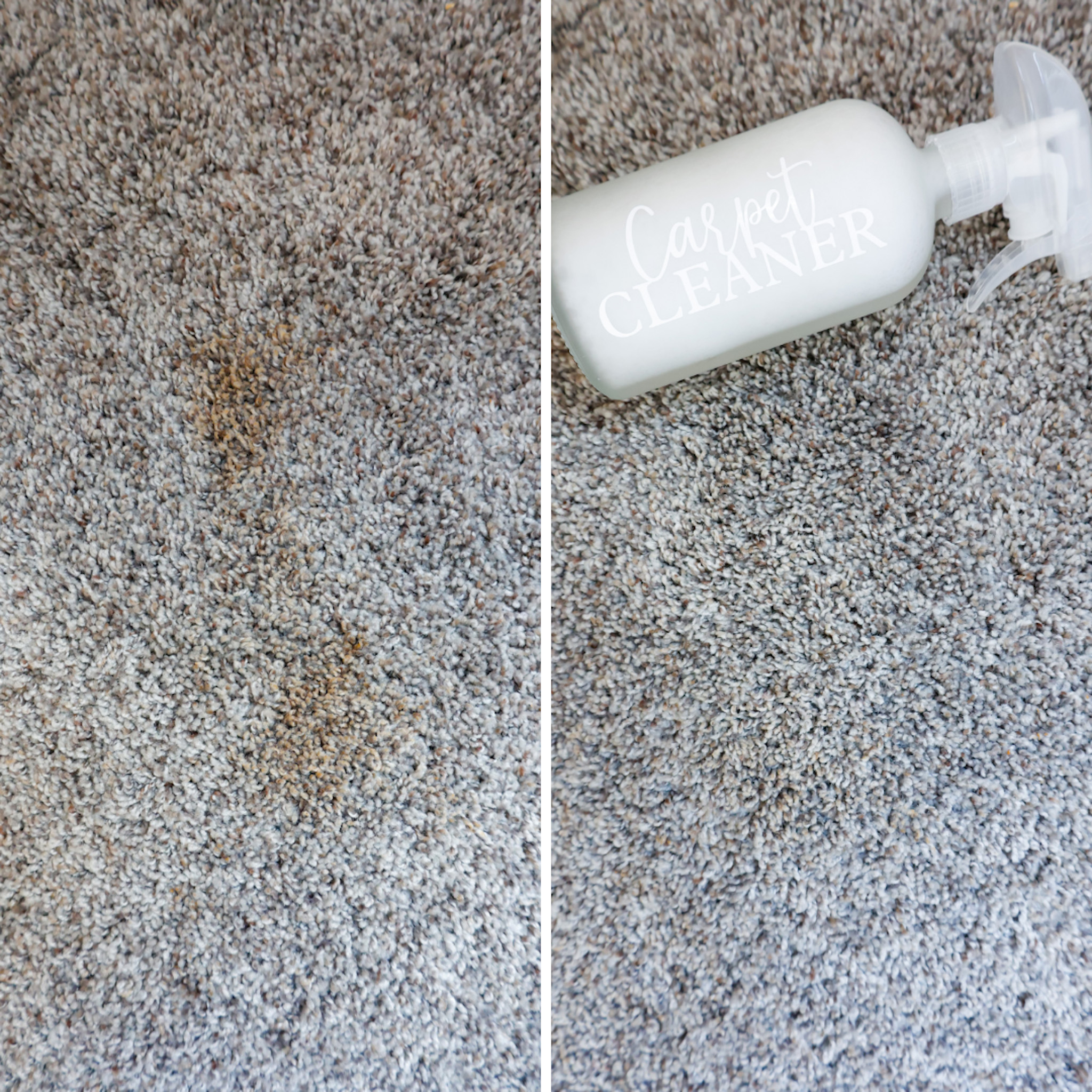
Vinegar dissolves soap film and mineral deposits, restoring pH balance.
Choose Your Strength
For light residue, use one part vinegar to three parts water. For heavy buildup, use a one to one ratio. Always use white vinegar, never apple cider or colored types.
Apply Safely
Mist the rug lightly, do not soak. Wait five to fifteen minutes. Blot with a microfiber cloth. Rinse with plain water and extract. Dry fully before use.
Tip: After drying, brush fibers to lift fluffiness.
Avoid on Delicate Fibers
Never use vinegar on wool or silk unless pH-tested. Acidity below 6.5 can weaken natural fibers. Test in a hidden corner first.
Deep Clean with Baking Soda Blend
This non-toxic method lifts grime, deodorizes, and gently exfoliates fibers.
Make the DIY Cleaner
Mix per gallon of hot water a quarter cup of laundry detergent, half a cup of baking soda, and half a cup of fabric softener. Dissolve baking soda first to prevent clogs.
Scrub and Rinse
Apply to stiff areas. Gently scrub with a soft brush. Dwell five to ten minutes. Extract dirty water completely. Follow with a clean water rinse.
Best for: Machine-washable rugs or spot treatments. Leaves no sticky film if rinsed well.
Restore Furniture Dents with Ice Cubes
Flatten from a sofa or table? Restore pile height fast with this simple trick.
How It Works
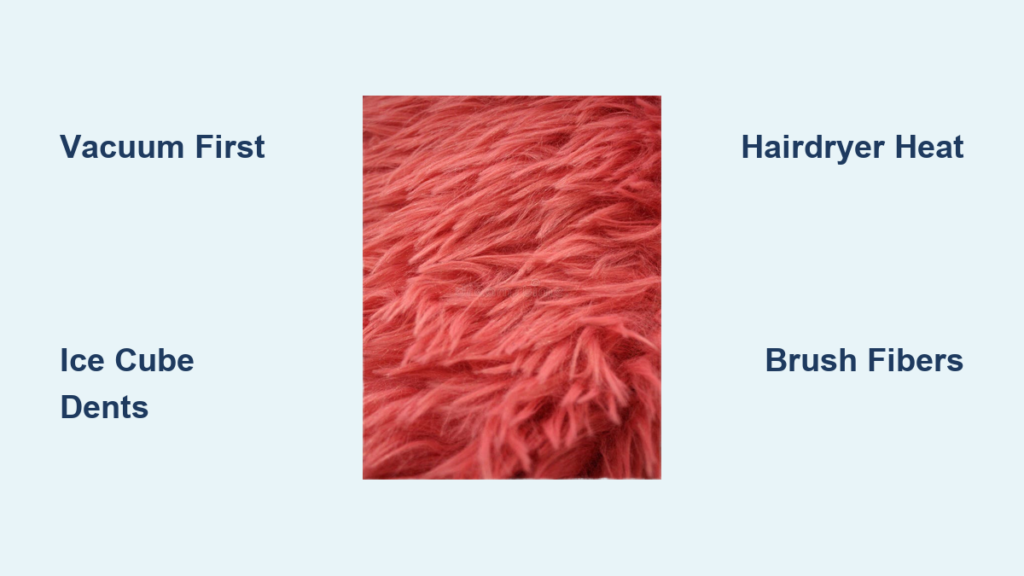
Place ice cubes directly in the dent. Let melt naturally, about sixty minutes. Blot moisture with a towel. Fluff fibers with fingers or a pet brush.
Science: Ice rehydrates compressed fibers, letting them expand back to shape. No heat, no risk.
Success rate: Eighty percent of dents improve visibly.
Use Heat and Moisture for Crunchy Spots
For small crunchy spots, use controlled steam or warmth.
Iron and Damp Cloth Method
Dampen a microfiber cloth, wring until just moist. Lay over stiff area. Set iron to medium-high, no steam. Press gently for thirty to sixty seconds, moving constantly. Remove cloth and fluff immediately.
Warning: Never touch iron directly to rug. Can melt synthetics or scorch wool.
Blow Dryer Alternative
Lightly mist the spot with water. Hold hairdryer two inches away. Use fingers to separate and lift fibers while drying.
Perfect for: Hardened edges or small spills that dried stiff.
Steam Clean for Deep Revival
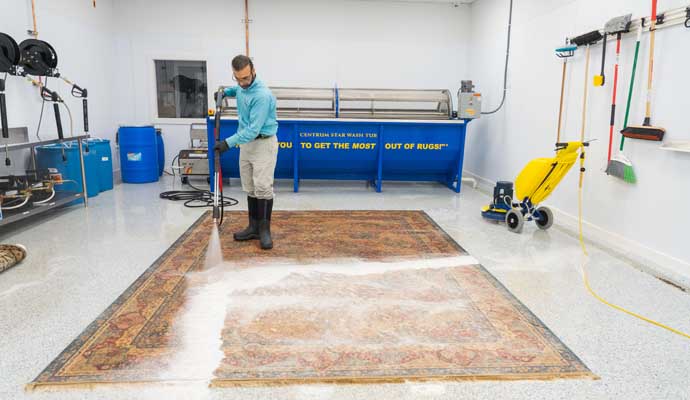
Best for thick-pile or heavily trafficked rugs.
Why Steam Works
Heat and moisture loosen embedded dirt, kill odor-causing bacteria, and revive flattened fibers. Industrial machines extract up to ninety-five percent of water, reducing residue and drying time.
Do It Right
Pre-vacuum thoroughly. Move slowly, let steam penetrate. Use strong suction to pull out grime. Dry in six to twelve hours with fans or dehumidifiers.
Avoid on: Silk, jute, glued-back, or antique rugs. Steam can cause shrinkage or delamination.
Brush and Groom for Instant Softness
Even clean rugs feel flat without proper grooming.
Use the Right Tool
Carpet rake works best for large areas. Pet slicker brush is great for lifting matted fibers. Stiff nylon brush suits deep pile. Dry towel can be rubbed in circular motion to fluff.
Technique Matters
Brush in the direction of the pile. Use firm, sweeping strokes. Focus on high-traffic zones and under furniture.
Pro tip: Brush after every cleaning or steaming session. It boosts softness by up to forty percent.
Fiber-Specific Softening Tips
Not all rugs respond to the same treatment. Match your method to the fiber.
Wool Rugs: Handle with Care
Do: Steam clean, use pH-neutral cleaners, brush gently. Avoid: Vinegar, fabric softener, bleach, direct heat. Best choice: Professional wool-safe conditioning.
Wool is durable but sensitive. Harsh chemicals strip natural oils and cause brittleness.
Cotton Rugs: Washable but Fragile
Do: Machine wash with cold water, air dry flat. Avoid: Tumble drying, wringing, hot water. Risk: Shrinkage if dried too fast.
Soak in vinegar-water to remove stiffness, then rinse well.
Jute, Sisal, Seagrass: Keep Them Dry
Do: Dry brush, beat outside, use dry carpet fresheners. Avoid: Wet cleaning, steam, spot treatments with water. Why: These fibers absorb moisture quickly and swell, leading to warping or discoloration.
For odors, sprinkle baking soda, wait four hours, vacuum with a brushless attachment.
Silk Rugs: Leave It to Pros
Never use water, vinegar, or DIY methods. Only professional cleaning with silk-safe solvents. Risk: Water spots, fiber distortion, color bleeding.
Silk is delicate. Even light moisture can cause permanent damage.
Prevent Stiffness Before It Starts
Softness lasts longer with the right habits.
Vacuum Weekly
High-traffic areas need vacuuming twice per week. Low-traffic rooms need once weekly. Use a vacuum with a rotating brush to lift fibers.
Dirt acts like sandpaper, grinding down fibers with every step.
Rinse After Cleaning
Always do a plain water pass after shampooing. This removes leftover detergent. Repeat two to three times if needed.
Dry Fast and Fully
Aim to dry within six to twelve hours. Use box fans, dehumidifiers, open windows, and lift edges to allow airflow underneath.
Trapped moisture equals stiff fibers and mold risk.
Rotate Every Six Months
Turn your rug one hundred eighty degrees twice a year. This evens out wear and prevents one-sided flattening.
Use Furniture Pads
Place felt pads or plastic coasters under heavy legs. They distribute weight and prevent dents.
When to Call a Professional
Some rugs need expert care.
Hire a Professional If:
Rug is antique, wool, silk, or high-value. Home treatments failed. You smell mildew or see mold. There is deep staining or persistent stickiness.
Benefits of Pro Cleaning
Industrial suction removes more moisture and residue. Fiber-specific formulas condition without damage. No-residue systems use electrolyzed water. Post-cleaning brushing restores pile instantly.
Professionals can restore up to ninety percent of lost softness in heavily used rugs.
Avoid Common Mistakes
Even small errors ruin results.
Do Not Over-Wet the Rug
Too much water causes backing damage, wicking, and re-stiffening. Damp is enough.
Never Skip Pre-Vacuuming
Cleaning without vacuuming turns dirt into mud. Always remove dry debris first.
Do Not Use Too Much Detergent
More suds does not equal cleaner. Excess soap leaves residue. Use half the recommended amount.
Avoid Direct Sun Drying
UV rays degrade synthetic fibers. Dry indoors with airflow instead.
Test Before You Treat
Always patch test.
How to Test
Apply your solution to a hidden corner. Wait ten minutes. Blot dry. Check for color bleeding, texture change, or sticky residue.
If any issues appear, try a gentler method.
Frequently Asked Questions About Softening Rugs
Why does my rug feel stiff after cleaning?
Stiffness after cleaning usually comes from detergent residue, mineral deposits from hard water, or fibers that dried while compressed. Soap left behind binds fibers together, while minerals create a chalky layer. Thorough rinsing and proper drying prevent this.
Can I use fabric softener on all rug types?
Fabric softener works well on synthetic rugs like nylon, polyester, and olefin. Never use it on wool or silk rugs because it damages natural protein fibers. Always test in an inconspicuous area first.
How long does it take to soften a rug?
Most methods show results within one to two hours. The fabric softener rinse takes about thirty minutes plus drying time. Brushing provides instant improvement but works best after cleaning.
Does the ice cube method really work for furniture dents?
Yes. The ice cube method resolves approximately eighty percent of furniture dents. Ice melts slowly, rehydrating compressed fibers so they expand back to their original shape. This works on both synthetic and natural pile fibers.
How often should I treat my rug to keep it soft?
Apply softening treatments after each deep clean, typically every six to twelve months. Regular maintenance like weekly vacuuming, immediate spot cleaning, and rotating the rug every six months keeps softness between treatments.
What is the fastest way to soften a stiff rug?
The fabric softener rinse provides the quickest results on synthetic rugs. Clean the rug first, rinse thoroughly, apply the softener solution, wait two minutes, extract, and dry. You will feel the difference once completely dry.
Key Takeaways for Softening Your Rug
The key to softening a rug is matching the method to the cause. Detergent residue calls for vinegar. Fiber compression responds to ice cubes or brushing. Mineral deposits need thorough rinsing with clean water. Always test any solution in a hidden corner first.
Maintain softness through consistent care. Vacuum weekly, spot clean spills immediately, rotate your rug every six months, and use furniture pads under heavy pieces. Proper drying is critical. Allow six to twelve hours with good airflow to prevent re-stiffening and mold.
For wool, silk, or antique rugs, skip DIY treatments and call a professional. They have the equipment and fiber-safe products to restore up to ninety percent of lost softness without damage.
Now that you know how to soften a rug the right way, you can skip the sticky, crunchy floors and enjoy a floor that feels as good as it looks.