You’ve replaced an old rug or are clearing out your home. Getting rid of a rug isn’t as simple as tossing it in the trash. Rugs don’t belong in curbside recycling bins due to their size, materials, and layered construction. In fact, 73% of rugs end up in landfills, according to EPA data, with only a small fraction being recycled or reused. But you can break that cycle.
This guide walks you through every responsible option: donation, resale, repurposing, recycling, professional removal, and proper disposal. You’ll learn how to minimize environmental impact while making the process fast, easy, and even profitable.
Donate If in Good Condition
If your rug is clean, intact, and free of stains or odors, donating it is one of the most eco-friendly ways to get rid of a rug.
Where to Donate Rugs
Many nonprofit organizations accept gently used rugs. Here are your best options:
• Goodwill
• Habitat for Humanity ReStore
• Local shelters (homeless, domestic violence, or transitional housing)
• Religious centers or community groups
• Thrift stores affiliated with charities
These organizations resell donated items to fund programs or provide affordable home goods to low-income families.
Tips for Successful Donation
Before dropping off your rug, follow these steps:
- Vacuum thoroughly and spot-treat any marks
- Roll and tie neatly to make transport easier
- Call ahead to confirm drop-off policies and hours
Donating extends the life of your rug and supports social causes. You may also qualify for a tax deduction, so remember to ask for a receipt.
Sell Your Used Rug Online
A quality rug in good shape can earn you cash instead of ending up in a landfill.
Best Platforms to Sell Rugs
Choose the right marketplace for your rug type:
• Facebook Marketplace for fast local sales
• Craigslist for wide reach with no fees
• eBay ideal for vintage, designer, or unique rugs
• OfferUp or Nextdoor for quick neighborhood sales
How to Maximize Sale Success
To sell your rug quickly and for a good price:
• Take clear photos in natural light, showing all sides
• Measure accurately and list dimensions in your listing
• Describe material and condition honestly (wool, jute, synthetic, etc.)
• Price competitively based on brand, age, and wear
Selling gives your rug a second life and puts money back in your pocket.
Repurpose Old Rugs Creatively
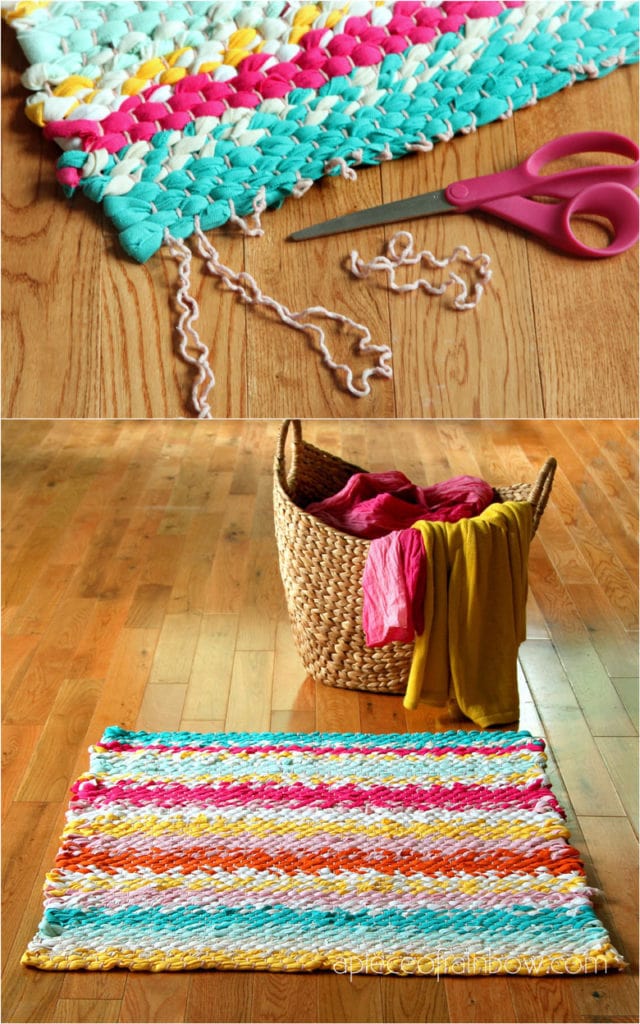
Even damaged rugs can be useful before you decide to get rid of a rug entirely.
Smart Ways to Reuse Rug Scraps
Consider these practical repurposing ideas:
• Pet zone protector: Place under food bowls or litter boxes to catch spills
• DIY kennel liner: Cut to size for dog crates or outdoor dog houses
• Outdoor mat: Use on patios or mudrooms where durability matters
• Wall art: Hang as a textured tapestry indoors or in a garage
• Car trunk liner: Cut to fit and protect against dirt and moisture
Pro Tip: Industrial Composting for Natural Fibers
If your rug is made of wool, jute, seagrass, or organic cotton, it may be compostable under industrial conditions. While not suitable for backyard compost, some commercial facilities accept natural fiber textiles. Contact local compost services to check eligibility.
Recycle When Possible

Recycling rugs is challenging but not impossible, especially if you know where to look.
Why Rugs Aren’t Curbside Recyclable
Most recycling centers reject rugs because they jam sorting machinery. Rugs are made of mixed materials (fibers plus backing plus adhesives). The backing often contains rubber, latex, or foam, which are non-recyclable components. Never place rugs in your curbside bin, as this contaminates the entire recycling stream.
Find Specialized Recycling Centers
Some out-of-home facilities accept rugs for processing:
• In the UK, Recycle Now lists local recycling centers that take carpets and rugs via postcode lookup
• In the US, check with regional textile recyclers
• Contact waste management companies offering drop-off events
Call ahead to confirm acceptance policies and preparation requirements.
Use Professional Rug Removal
For large, heavy, or hard-to-move rugs, hiring a junk removal service is the fastest, cleanest option.
LoadUp: On-Demand Rug Hauling in Los Angeles
LoadUp offers reliable area rug removal across Los Angeles County, including Westwood, Culver City, and Silver Lake.
Why Choose LoadUp?
• No heavy lifting: Crews roll, lift, and load for you
• Eco-conscious disposal: Items are screened for donation or recycling before landfill
• Same-day pickup: Available if booked by 12 PM
• Real-time tracking: Monitor your order and communicate with loaders
Pricing and Booking
Prices start at $84 for standard area rugs. Final cost varies by size, weight, material, and location in your home.
To book:
- Enter your zip code on the LoadUp website
- Select area rug removal
- Describe rug details
- Get instant quote
- Schedule pickup
- Confirm with no hidden fees
Municipal Disposal Options
Your city may offer programs to help you get rid of a rug legally and responsibly.
San Jose, CA: Bulky Item Pickup
The City of San Jose Environmental Services Department allows residents to dispose of rugs through junk pickup services for bulky items or drop-off at designated waste facilities.
Key rules to remember:
• Do not place rugs in curbside recycling
• Donate first when possible
• Use ReStore or Goodwill
• Choose natural fiber rugs for future sustainability
Contact the department at (408) 535-3500 or visit sanjoseca.gov/recycles.
United Kingdom: Recycle Now Guidance
In the UK, Recycle Now (by WRAP) advises residents to donate usable rugs to charity shops, take old ones to local recycling centres, ask carpet fitters to remove old flooring during installation, and use postcode lookup tools to find nearby drop-off points.
Dispose in Landfill as Last Resort
If your rug is moldy, heavily stained, or beyond reuse, landfill disposal may be unavoidable.
How to Trash a Rug Properly
Follow these steps for responsible disposal:
- Roll and secure with twine or tape
- Place in garbage cart if it fits, otherwise contact waste hauler for oversized item pickup
- Expect fees for bulky items, as some cities charge per piece
Avoid dumping rugs illegally. It harms the environment and can result in fines.
Choose Sustainable Rugs for the Future
Make next time easier by selecting eco-friendly options upfront.
Best Natural Fiber Rugs
Opt for 100% natural materials that are biodegradable or easier to recycle:
• Wool: Durable, naturally stain-resistant, compostable
• Jute: Renewable, biodegradable, low-impact production
• Seagrass: Sturdy, moisture-resistant, fully sustainable
• Organic cotton: Soft, renewable, less toxic than synthetics
These materials reduce long-term waste and simplify disposal when you need to get rid of a rug in the future.
Follow the 7-Step Rug Disposal Plan
Use this checklist to ensure responsible and stress-free rug removal.
1. Assess Rug Condition
Ask yourself: Is it clean and stain-free? Then donate or sell. Is it slightly worn but usable? Then repurpose. Is it damaged or moldy? Then recycle or landfill.
2. Clean Before Donation or Sale
Vacuum deeply and treat spots. A fresh-smelling rug sells faster and gets accepted more easily.
3. Try Donation First
Contact Goodwill, ReStore, or local shelters. Many offer pickup for large items.
4. List on Resale Platforms
Use Facebook Marketplace or Craigslist for quick local sales. Include photos and measurements.
5. Repurpose Scraps at Home
Cut into mats for pets, cars, or outdoor use. Get creative and save money while reducing waste.
6. Explore Recycling Centers
Search for textile or carpet recyclers in your area. Use tools like Recycle Now or contact waste providers.
7. Hire Pros or Trash Responsibly
For heavy or problematic rugs, book a professional hauler like LoadUp or follow municipal bulky item rules for legal disposal.
Frequently Asked Questions About Getting Rid of a Rug
Can I put my old rug in the curbside recycling bin?
No. Rugs should never go in curbside recycling bins. They cannot be processed at conventional recycling facilities and will contaminate the entire recycling stream. Most municipalities explicitly exclude rugs from curbside recycling programs.
What organizations accept rug donations?
Goodwill, Habitat for Humanity ReStore, local shelters, religious centers, and charity thrift stores typically accept gently used rugs. Always call ahead to confirm their current acceptance policies and drop-off hours.
How can I recycle an old rug?
Check with regional textile recyclers or use online tools like Recycle Now (UK) to find designated drop-off centers. Note that carpet recycling programs like CARE currently only accept carpets, not area rugs. Natural fiber rugs may be compostable at industrial facilities.
Is professional rug removal worth the cost?
For large, heavy, or difficult-to-move rugs, professional services like LoadUp offer convenience and eco-conscious disposal. Prices start around $84 and include heavy lifting, loading, transport, and responsible disposal screening.
What is the most eco-friendly way to get rid of a rug?
Donation is the most sustainable option, as it extends the rug’s life and supports community programs. Selling online is the second best option. Repurposing at home ranks third, followed by professional recycling services. Landfill disposal should be your last resort.
Key Takeaways for Responsible Rug Disposal
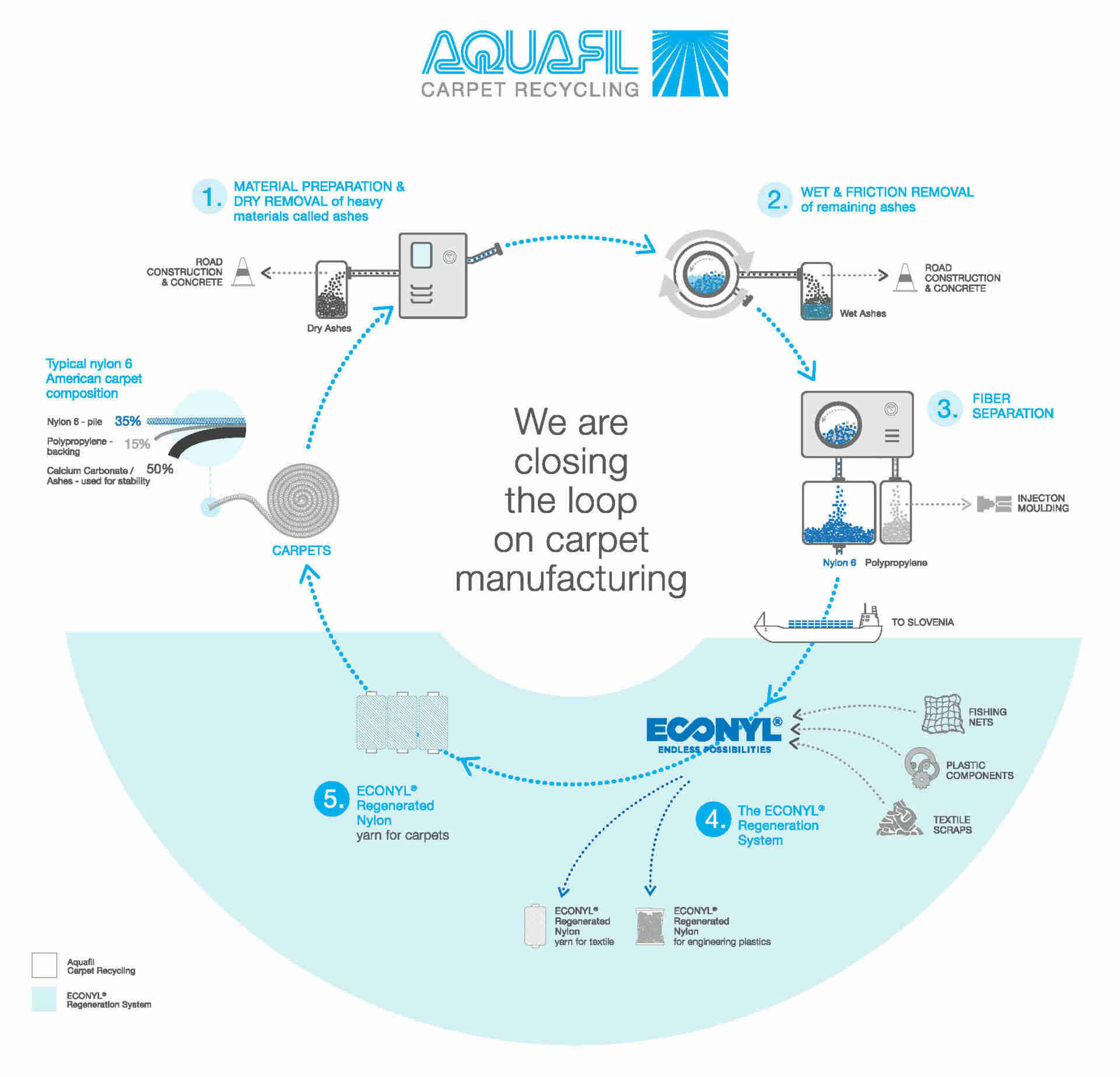
Getting rid of a rug doesn’t have to mean sending it to a landfill. By choosing donation, resale, repurposing, or professional recycling, you reduce waste and support a circular economy.
First, always assess your rug’s condition before deciding on a disposal method. Clean, undamaged rugs should always go to donation centers or be sold online. Even worn rugs can find new life as pet mats, car trunk liners, or outdoor coverings.
Second, avoid the curbside recycling bin. Rugs contaminate recycling streams and most facilities cannot process them. Instead, search for specialized textile recyclers or use municipal bulky item pickup services.
Third, plan ahead for your next rug purchase. Choosing natural fiber rugs like wool, jute, seagrass, or organic cotton makes future disposal easier and reduces environmental impact.
Every small step keeps thousands of pounds of textiles out of landfills, and that’s a footprint worth leaving.