Dust trapped in your rug is more than an eyesore. It is a hidden allergen reservoir that degrades indoor air quality and damages rug fibers from the inside out. A single 8×10 wool rug can hold up to 75 pounds of dry soil before it looks dirty, and vacuuming alone only removes about 30-50% of embedded dust. This guide covers proven, material-specific techniques to safely extract deep dust and extend your rug’s lifespan.
You will learn dry methods that work for all rug types, wet cleaning steps for water-safe materials, and critical warnings about which rugs should never get wet. Whether you have a wool Persian, a synthetic area rug, or a delicate silk piece, the right approach starts with understanding your rug’s material.
Why Dust Removal Matters for Your Rug
Dust accumulation affects more than appearance. Embedded particles act like sandpaper inside rug fibers, causing premature wear with every footstep. Dust mites, pet dander, pollen, and bacteria bond to fibers and continuously release into your indoor air, triggering allergies and respiratory issues.
Skipping dry dust removal before wet cleaning creates serious problems. Dry soil mixes with water to form mud, which gets pushed deeper into fibers during scrudysonguide-20ing. This leaves sticky residue that attracts new dirt faster, shortens your rug’s life, and creates musty odors that persist even after cleaning.
Professional dusting removes up to 95% of embedded particles. Outdoor beating combined with thorough vacuuming achieves 70-80% removal. Vacuuming alone only reaches 30-50%, leaving the majority of contaminants trapped. Starting with dry methods is not optional. It is the foundation of effective rug care.
Dry Dust Removal Techniques That Actually Work
Dry methods safely dislodge deeply embedded dust without risking water damage to sensitive fibers. These techniques should always precede wet cleaning.
Shaking and Beating Your Rug Outdoors
This traditional method is one of the most effective ways to release compacted dust.
Take the rug outside on a dry, windy day. Hang it over a clothesline, fence, or sturdy railing. Use a straw broom, carpet beater, or leather belt to strike the back of the rug firmly. Work from top to bottom, covering the entire surface. Flip and repeat on the other side.
Follow immediately with thorough vacuuming to capture everything dislodged. This method works best on wool, cotton, synthetic, and flatweave rugs. Avoid on silk, viscose, or antique pieces that may tear or shed fibers.
Using Dry Carpet Powders and Absorbents
Baking soda and commercial dry cleaners lift dust and neutralize odors without moisture.
Sprinkle baking soda generously over the entire rug surface. Let it sit for 15-30 minutes, or overnight for strong odors. Use a soft-bristled brush to work the powder into fibers gently. Vacuum thoroughly using a HEPA-filter vacuum. Residual powder attracts new dirt if left behind.
Commercial products like Arm & Hammer Dry Carpet Powder offer stronger cleaning power for heavily soiled rugs. Apply as directed on the package, wait 2-4 hours, then vacuum completely.
Vacuuming Your Rug the Right Way
Vacuuming is essential but often done incorrectly. Most people vacuum only the top surface and miss half the dust.
Vacuum weekly, twice weekly in high-traffic areas. Always flip the rug and vacuum the backing to remove trapped grit. Use slow, overlapping strokes for maximum suction efficiency. Disable the beater bar on wool, jute, sisal, and shag rugs to prevent fiber damage.
For allergy sufferers, a HEPA-filter vacuum makes a significant difference. Use the brush attachment for pet hair and fine dust. Remember that standard vacuums only reach the upper pile layers. They cannot extract deeply embedded grit without prior beating or shaking.
How to Remove Dust from Wool Rugs
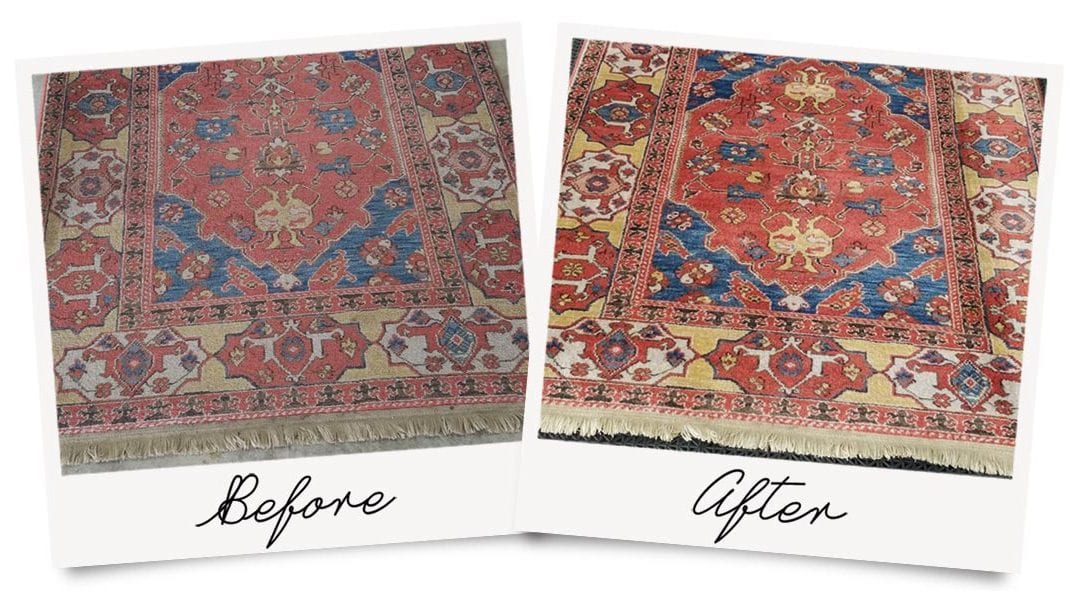
Wool is durable but sensitive to heat and harsh chemicals. Proper cleaning preserves its texture and color.
Wool rugs tolerate cold water wet cleaning. Hot water causes shrinking and dye bleeding. Never use standard carpet shampoo, which is too alkaline and damages wool fibers.
Beat or shake the rug outdoors first. Vacuum both sides using suction only, no beater bar. For deep cleaning, mix 1-2 drops of mild dish soap with cold water. Apply with a sponge using gentle circular motions. Rinse until water runs completely clear. Extract moisture with a wet-dry vac. Dry flat, elevated, and flip halfway through drying.
Cleaning Dust from Synthetic Rugs
Nylon, polyester, and polypropylene rugs handle moisture well and are the most forgiving for home cleaning.
These materials tolerate warm or hot water, steam cleaning, and beater bars. Check the care label for machine washing instructions. Use cold water and gentle cycle if machine washable. Never use bleach.
Vacuum thoroughly first, including both sides. Shake or beat if possible. Deep clean with rug shampoo or mild detergent. Rinse well and extract water with a wet-dry vac. Dry in indirect sunlight or with fans. Avoid direct sunlight to prevent fading.
Safe Dust Removal for Natural Fiber Rugs
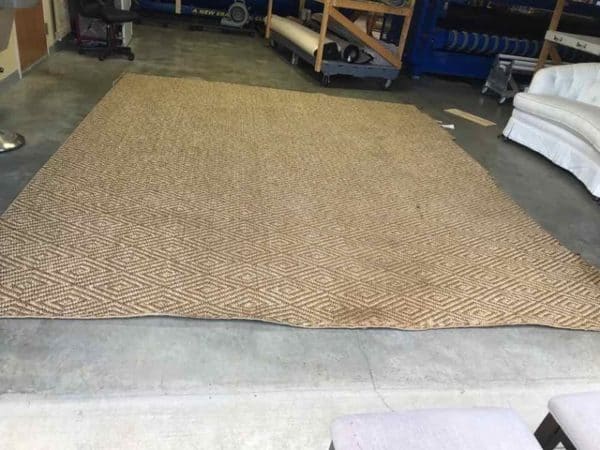
Jute, sisal, and seagrass rugs are highly absorbent and prone to water damage.
Never wet clean these materials. Water causes browning, warping, and mold growth. Dry methods only.
Shake or beat the rug outdoors to dislodge loose dust. Vacuum using suction only, disable the rotating brush. Apply dry carpet powder or baking soda sparingly. Wait 2-4 hours. Vacuum thoroughly to remove all residue.
Never steam clean or hose down natural fiber rugs. Even damp towels can leave stains that are impossible to remove.
Handling Delicate Rugs: Silk, Viscose, and Persian
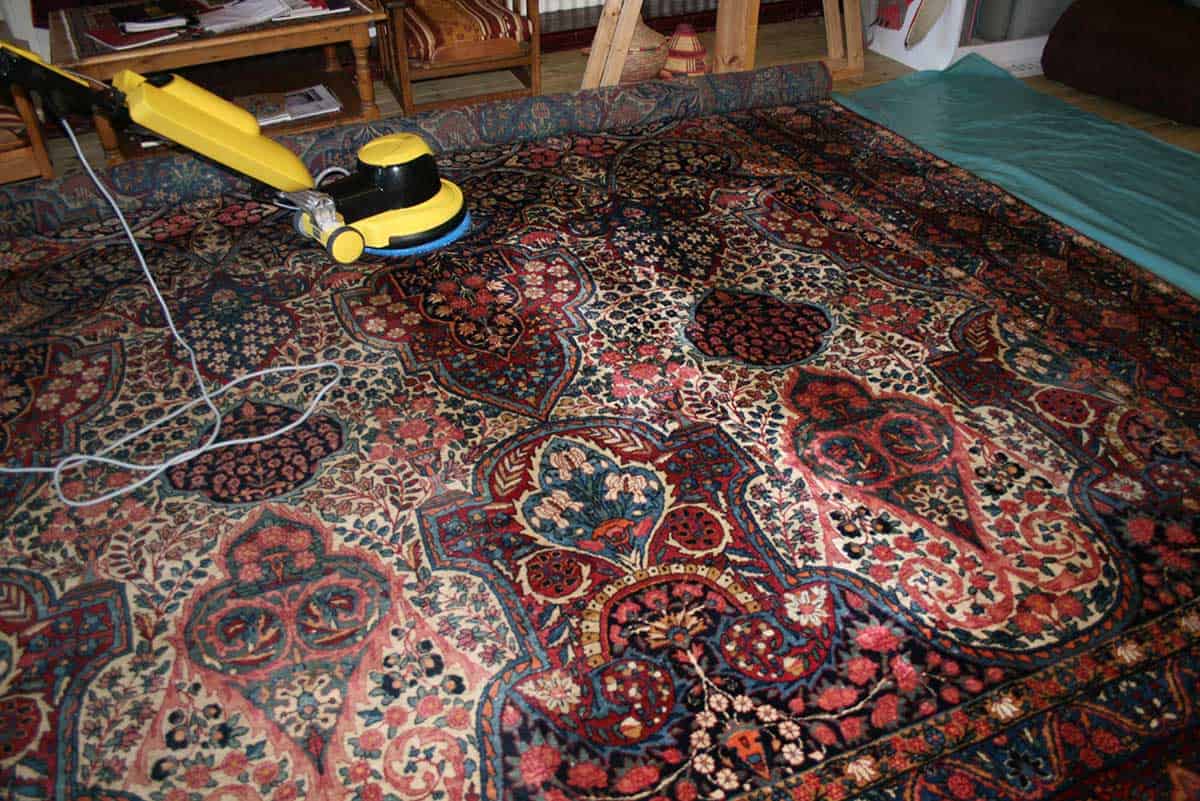
These rugs require special care and professional handling.
Silk and viscose rugs are extremely water-sensitive. Water causes permanent damage, color bleeding, and fiber breakdown. Limit dust removal to gentle vacuuming with low suction only. Never use liquids, powders, or spot cleaning at home. Always hire a professional for any cleaning beyond light dusting.
Persian and Oriental rugs are typically hand-knotted wool with intricate designs. Limited spot cleaning is acceptable. Full wet cleaning risks unraveling and dye loss. Shake or beat gently, never aggressively. Vacuum lightly with suction only. Use dry carpet powder sparingly. For stains, use a tiny drop of dish soap in cold water, dab with a sponge. Air dry elevated, never flat on the ground. Professional cleaning is recommended every 12-18 months.
When to Use Wet Cleaning Methods
Wet cleaning works only for water-safe rugs. Never use on jute, sisal, silk, or viscose.
Step-by-Step Wet Deep Cleaning
Move the rug outside if possible. Lay on a tarp or drop cloth. Choose a sunny, dry day for UV disinfection and faster drying.
Vacuum both sides thoroughly. Beat or shake to loosen compacted soil. Skip this step and dust turns to mud.
Test for colorfastness by applying solution to a hidden corner. Blot with a white cloth and check for color bleeding. Wait 10-15 minutes before proceeding.
Apply rug-specific shampoo or mix 1-2 drops of mild dish soap with warm water for synthetic rugs or cold water for wool. Add white vinegar for odor control. Use a soft brush or sponge to work in circular motions. Let sit 5-10 minutes, focusing on high-traffic areas.
Rinse until runoff is completely clear. Residual soap attracts dirt and degrades fibers. Extract excess water using a wet-dry vac or squeegee for flat rugs.
Dry completely by elevating on chairs or racks. Flip halfway through drying. Use fans to speed the process. Avoid direct sunlight to prevent fading. Ensure 100% dry before moving back indoors.
Once dry, vacuum to lift flattened pile. Use a soft brush to fluff shag rugs.
Deep Cleaning Large Rugs Indoors
Cannot move your rug outside? Follow these indoor steps.
Lay a large waterproof tarp underneath the entire rug. Apply rug shampoo or mild soap solution sparingly. Use damp microfiber towels to blot, never soaking. Extract moisture with a shop vac. Elevate on drying racks or chairs. Use standing fans for airflow. Vacuum after drying to restore texture.
Never let a large rug sit damp. Mold and mildew can form within 24-48 hours.
Signs You Need Professional Rug Cleaning
Some rugs should never be cleaned at home.
Hire a professional if you have silk, viscose, or antique rugs. Call a pro if your Persian or Oriental rug is over 10 years old. Look for visible dust puffs when walking on the rug. Watch for family members experiencing allergy flare-ups. Hire help if the rug has not been cleaned in 6+ months. Seek expert care if prior cleaning left residue or discoloration.
Professional services use industrial dusting tables that remove 75+ pounds of dry soil. Percussion systems shake out deep grit that home methods cannot reach. Controlled drying prevents mold. Expert handling preserves rug value and extends lifespan.
Essential Tools for Effective Dust Removal
Having the right tools makes dust removal significantly more effective.
Must-have tools include a HEPA vacuum with hose and brush attachment, soft-bristled brush or sponge, garden hose or buckets, tarp or drop cloth, squeegee for flat rugs, wet-dry vacuum, fans or hair dryer, microfiber towels, and carpet beater or straw broom.
Safe cleaning solutions include rug-specific shampoo, mild dish soap like Dawn, dry carpet powder, baking soda, white vinegar, and club soda for light stains.
Never use bleach, ammonia, carpet shampoos, excessive water, or scented products on rugs.
Preventing Future Dust Buildup
Regular maintenance prevents dust accumulation and extends cleaning intervals.
Vacuum all rugs weekly, twice in high-traffic areas. Rotate rugs every 3-6 months to distribute wear evenly. Use rug pads to reduce friction and trap dust beneath. Place doormats inside and outside entrances. Enforce a no-shoes-indoors policy. Wipe pet paws before they enter.
Control humidity between 40-60% to prevent mold. Avoid placing natural fiber rugs in bathrooms or basements. Expose wool and synthetic rugs to occasional sunlight for UV disinfection.
Final Thoughts on Getting Dust Out of Your Rug
A truly clean rug requires more than surface appearance. It demands removal of invisible pollutants that compromise air quality and shorten rug life. Always start with dry methods: beating, shaking, and vacuuming thoroughly before any wet treatment. Match your cleaning approach to your rug’s specific material. Never use water on jute, sisal, silk, or viscose. Test all solutions on hidden areas first. Rinse completely and dry 100% before returning the rug to your home.
Prioritize mechanical dust extraction as the foundation of every cleaning cycle. For valuable or delicate rugs, schedule annual professional cleaning. Your rug will last longer, your indoor air will improve, and your home will feel genuinely clean.
Frequently Asked Questions About Getting Dust Out of Rugs
How often should I vacuum my rug to prevent dust buildup?
Vacuum weekly for all rugs, twice weekly in high-traffic areas or homes with pets. More frequent vacuuming prevents dust from embedding deeply into fibers and reduces allergen accumulation.
Can I use baking soda on all types of rugs?
Baking soda is safe for wool, synthetic, and cotton rugs. Avoid using it on silk, viscose, or delicate antique rugs. Always vacuum thoroughly after treatment to remove all residue.
Why does my rug still look dirty after vacuuming?
Standard vacuums only reach the top layers of rug pile. Deeply embedded dust remains trapped without prior beating, shaking, or dry powder treatment. This is why dry methods must precede any wet cleaning.
Is steam cleaning safe for all rugs?
No. Never steam clean jute, sisal, silk, or viscose rugs. Steam cleaning on wool without pre-dusting pushes dust deeper into fibers, creating mud that damages the rug. Professional dusting before any steam treatment is essential.
How do I know if my rug needs professional cleaning?
Hire a professional for silk, viscose, Persian, Oriental, or antique rugs. Call experts if the rug has not been cleaned in over 6 months, if you see dust puffs when walking on it, or if family members have allergy symptoms that worsen at home.
What happens if I skip dry dust removal before wet cleaning?
Skipping dry methods turns dust into mud during wet cleaning. This pushes contamination deeper into fibers, causes rapid re-soiling, and leads to musty odors. The rug appears clean but remains contaminated.