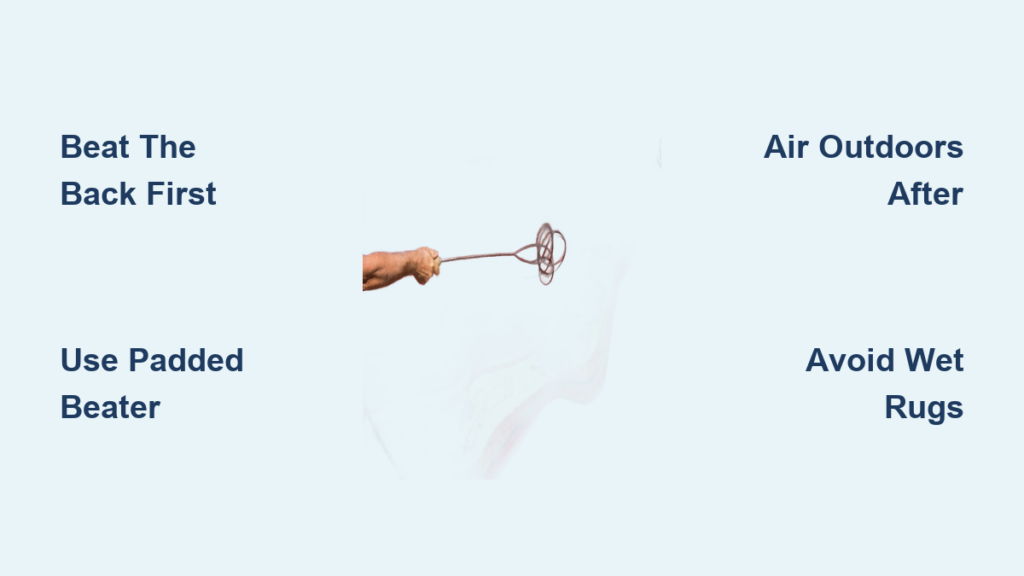
If you’ve ever shaken out a dusty blanket and watched clouds of dirt burst into the air, you know the power of physical force in cleaning. Beating a rug taps into this same principle, using impact and motion to dislodge deeply embedded grime that vacuums often miss. While modern appliances dominate household chores, traditional rug beating remains one of the most effective, eco-friendly ways to deep-clean carpets without chemicals or electricity.
This method isn’t just for antique rugs or old-fashioned homes. Whether you’re dealing with pet dander, tracked-in soil, or musty odors, beating your rug can significantly improve indoor air quality and extend the rug’s lifespan. In this guide, you’ll learn the best techniques, tools, and timing for beating a rug safely and effectively.
Why Beat a Rug?
Beating a rug goes beyond surface cleaning. Vacuum cleaners excel at removing loose debris but struggle with compacted soil buried deep in the pile. Over time, this trapped dirt acts like sandpaper, grinding down fibers and shortening the rug’s life. Beating uses inertial force, the sudden movement of fabric while dust particles stay still, to eject these hidden contaminants.
Key benefits include deep soil extraction from backing and pile layers, allergen reduction including dust mites and pet dander, natural deodorization by airing out fibers outdoors, pest control via exposure to cold or sunlight, and eco-friendly maintenance without power or chemicals. For wool, cotton, and synthetic shag rugs, regular beating is a smart pre-cleaning step before washing.
Front vs. Back: Which Side to Beat First
There’s debate among experts about the optimal beating direction. Some argue that beating the front first lifts fibers upward, allowing dirt to fall away due to inertia. Others insist on starting with the back to loosen soil packed into the foundation. The best approach involves doing both.
Beat the Back First
Start with the underside to break up compacted debris in the backing. This prepares the rug for more effective top-side cleaning. Use moderate strokes with a padded beater and work systematically from top to bottom. Watch for heavy dust clouds, as this means soil is being released effectively.
Then Beat the Front
Flip or reposition the rug and strike the visible surface. This helps fluff flattened fibers and removes remaining particles caught near the tips. The two-stage method ensures comprehensive cleaning and combines the strengths of both approaches.
Essential Tools for Beating a Rug
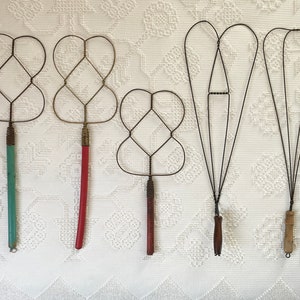
Choose the Right Beater
Antique wooden rug beaters remain favored for their durability and gentle action. Made from solid wood with a wide striking head, the padded surface prevents fiber damage. These are ideal for wool and cotton rugs. Use overlapping strokes to ensure full coverage across the entire surface.
For commercial settings, a Rugbadger-type duster delivers rapid percussive blows for fast, efficient cleaning, though it produces significant noise. Some professionals prefer the Sanitaire with metal plate, which uses vibration rather than agitation to let soil fall through the backing. In regions where commercial units aren’t available, a Clarke pile lifter combined with a Dyson vacuum offers powerful deep maintenance.
Step-by-Step: How to Beat a Rug Properly
Prepare the Rug
Before striking, set the stage for safe, effective cleaning. Remove loose items like toys, shoes, or furniture. Lightly vacuum to eliminate surface dust and reduce airborne particles during beating. Choose dry weather, as moisture prolongs drying and risks mold, especially in natural fibers. Avoid rainy or snowy days unless intentionally using snow for cleaning.
Hang the Rug Securely
Proper support is critical for effective beating. Drape the rug over a sturdy railing, clothesline, tree branch, or beater frame. Ensure it won’t slip during impact. The best base surface is plastic interlocking tiles placed beneath, as metal grates can scratch or tear delicate pile.
Apply Proper Beating Technique
Use controlled, consistent motion. Hold the beater firmly and strike in overlapping strokes, moving left to right. Work from top to bottom to push debris downward. Apply moderate pressure, never slamming fragile or antique rugs. Beat one side completely until dust stops flying, then flip and repeat on the opposite side. This process typically takes 10 to 20 minutes per side depending on size and soiling.
Allow Post-Beat Airing
After beating, let the rug breathe. Leave it outside for several hours to air out. Cold temperatures help tighten fibers and kill pests while sunlight naturally disinfects and freshens. This step revitalizes texture and eliminates lingering odors.
Clean Rugs in Snow: Nature’s Deep Cleaner

A surprisingly effective method uses snow and freezing temperatures to sanitize and clean rugs. Lay fresh snow on the ground and place the rug fleece-side down on the snow. Beat the back with a whisk or beater, and dislodged dirt falls into the snow, which acts as a natural filter.
The cold causes fibers to contract, loosening embedded particles. As they expand again indoors, any remaining dust becomes easier to vacuum. This method kills pests including dust mites, moth eggs, and larvae, deodorizes naturally without chemicals, and is especially safe for heavy wool rugs.
How Often Should You Beat a Rug?
Frequency depends on use and environment. For average home use, beat the rug every three months. High-traffic areas benefit from monthly beating, as do homes with pets or allergy sufferers. Seasonal deep cleaning in spring and fall provides thorough maintenance. Once during freezing winter temperatures offers natural pest control.
Safety Tips for Healthy Beating
Beating releases large amounts of airborne dust, so protection matters. Beat outdoors or in a well-ventilated space. Wear a dust mask or respirator, especially if asthmatic or allergic. Keep children and pets away from the beating zone. Use a damp cloth nearby to trap floating particles. Set up near an open window or ventilation fan to disperse dust safely.
When NOT to Beat a Rug
Beating isn’t always safe or effective. Avoid beating delicate rugs like silk, fringed heirlooms, or antique tapestries that can tear under impact. Never beat a wet or damp rug, as moisture weakens fibers and increases mold risk. Address stains before beating, as impact can set them deeper into the backing. Extremely fragile or damaged rugs may fall apart under stress and require professional restoration instead.
Remember that beating removes dry soil, not caked-in gunk or oily residues. Those need scrubbing and wet cleaning.
Final Thoughts: The Timeless Power of Beating a Rug
Beating a rug is more than tradition, it’s science in action. By harnessing inertia, airflow, and temperature, you achieve deep cleaning that machines alone cannot replicate. It’s low-cost, chemical-free, and highly effective for maintaining healthy indoor environments. Whether using a family heirloom wooden beater, a powered Rugbadger, or laying your rug in fresh snowfall, the goal remains the same: to restore cleanliness, freshness, and longevity.
With the right technique, tools, and timing, anyone can master the art of beating a rug and bring timeless care into modern homes.
Frequently Asked Questions About Beating a Rug
Does beating a rug damage the fibers?
When done correctly with moderate pressure and proper tools, beating does not damage rug fibers. Avoid slamming antique, silk, or fragile rugs, and always use a padded beater designed for rug cleaning.
Can I beat a rug indoors?
Beating indoors is not recommended due to the large amounts of airborne dust released. If you must beat indoors, ensure excellent ventilation, wear a dust mask, and use damp cloths to capture particles.
What’s the best weather for beating a rug?
Choose dry, non-humid days for optimal results. Freezing temperatures in winter provide added benefits by killing dust mites and moth larvae. Avoid rainy or snowy conditions unless using the snow cleaning method.
How long does it take to beat a rug properly?
Plan for 10 to 20 minutes per side, depending on the rug’s size and level of soiling. Larger or heavily used rugs may require additional time.
Should I vacuum before or after beating a rug?
Lightly vacuum before beating to remove surface debris and reduce airborne dust during the beating process. After beating, vacuum again to capture any remaining loosened particles.
Can all types of rugs be beaten?
Most wool, cotton, and synthetic rugs can be beaten safely. Avoid beating silk rugs, antique tapestries, fringed heirlooms, wet rugs, or rugs with set-in stains.