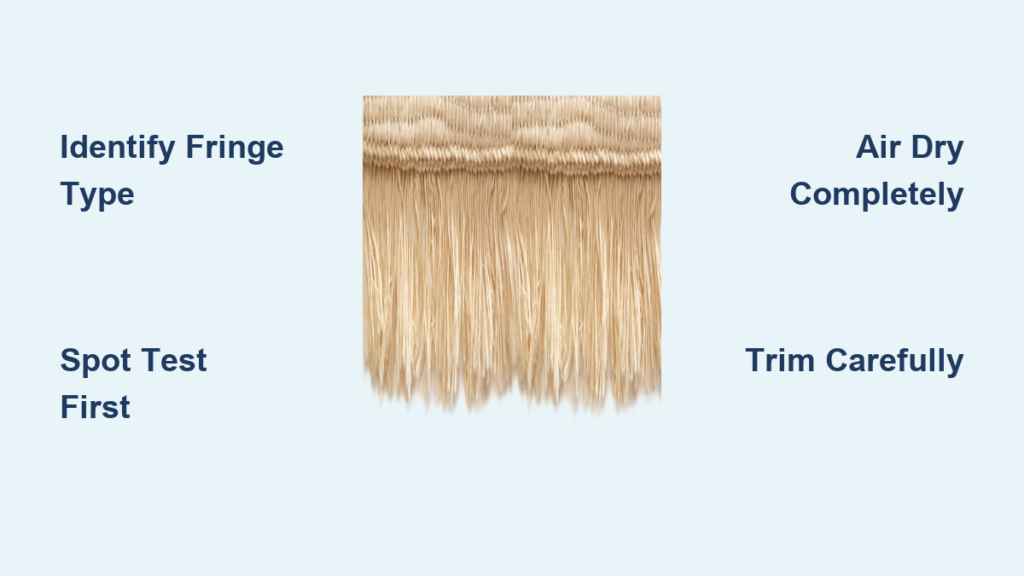
If you’ve noticed your rug fringe looking dingy, tangled, or stained, you’re not alone. Over time, rug fringe collects dust, pet hair, food spills, and even urine, especially in high-traffic areas. But cleaning it isn’t as simple as wiping down the main body of the rug. The fringe is often structurally integral, particularly on hand-knotted Persian or Oriental rugs, where it’s made from the warp threads that hold the entire piece together.
Cleaning rug fringe improperly can lead to fraying, discoloration, or even unraveling. Yet when done correctly, it restores both appearance and longevity. Whether your fringe is cotton, wool, or silk, this guide delivers step-by-step methods, essential tools, material-specific precautions, and professional insights to clean safely and effectively.
Identify Your Rug and Fringe Type
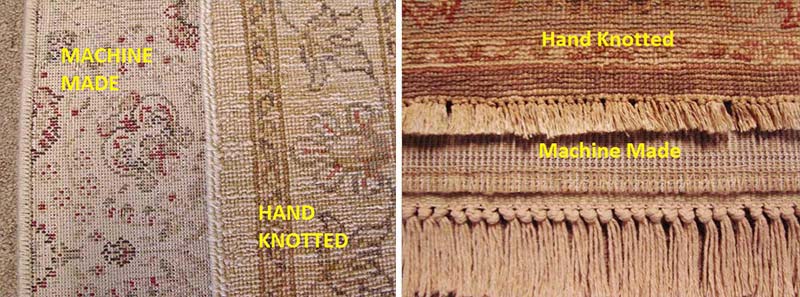
Before any cleaning, determine what kind of rug and fringe you’re dealing with. This step is critical because it dictates whether you can clean at home or must seek professional help.
Hand-Knotted vs. Machine-Made Rugs
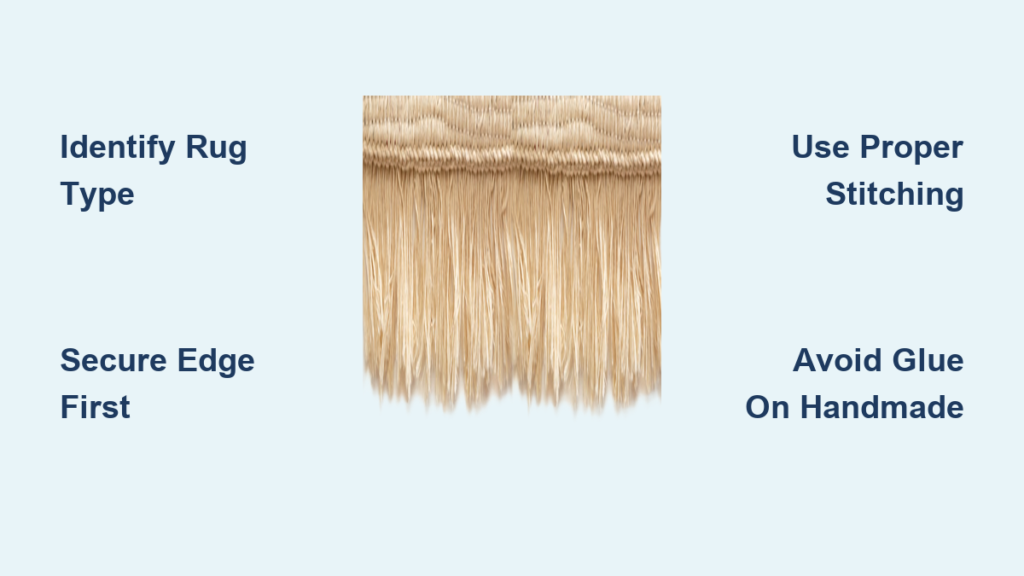
Hand-knotted rugs such as Persian or Oriental pieces have fringe that is not added after production. Instead, it’s the exposed end of the vertical warp threads running through the rug. These threads are structural, so damaging them risks unraveling the entire rug.
Machine-made rugs typically have non-structural fringe that’s sewn or glued on after production. This type can be replaced if damaged and tolerates more aggressive cleaning.
Test: Gently pull a fringe strand. If it connects into the rug body, it’s structural. If it detaches easily or feels stitched on, it’s decorative.
Know Your Fiber Material
Different fiber types require different cleaning approaches.
| Fiber | Sensitivity | Cleaning Approach |
|---|---|---|
| Cotton | Moderate | Safe for most DIY methods with mild soap and vinegar |
| Wool | High | Avoid hot water, enzymes, and harsh detergents |
| Silk | Extreme | Never clean at home; requires professional care |
Silk fringe alert: Even light moisture or friction can cause irreversible damage. Always leave silk fringe to specialists.
Prep the Rug and Work Area
Proper preparation prevents damage to your flooring, rug, and fibers during cleaning.
Protect the Floor
Lay down a tarp, plastic sheet, or thick towels beneath the rug. This prevents water seepage, chemical stains, and slip hazards, especially important when treating pet urine or using ammonia.
Clean the Main Rug First
Always wash the main body of the rug before touching the fringe. Dirt and soap from the rug surface can runoff and re-soil the fringe during rinsing. For deep cleans, consider professional immersion washing for the full rug first.
Inspect and Prepare the Fringe
Pull fringe out fully to expose hidden grime. Check for fraying or breakage, loose threads, mold or mildew, and tangled fibers or adhesives.
Stop and consult a pro if you see unraveling at the base or weak attachment points.
Perform a Spot Test
Dip a white cloth in your cleaning solution and apply to a small section of fringe. Wait 10 to 15 minutes to check for color bleeding, fiber softening, or shrinkage or texture change. Use only white cloths to avoid dye transfer.
Tools and Supplies You Need
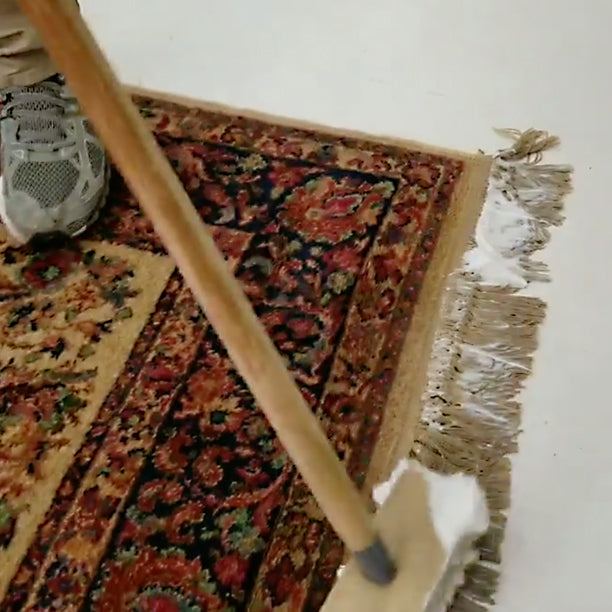
Having the right tools ensures effective cleaning without damage.
Essential Tools
- Vacuum with handheld or upholstery attachment (no beater bar)
- Soft-bristle brush or horsehair brush
- Wide-tooth comb (plastic or wood, no metal)
- Spray bottle
- Clean microfiber cloths or white sponges
- Sharp fabric scissors
- Straight edge (ruler or yardstick)
- Absorbent towels
- Drying rack, dowel, or sawhorse for airflow
Recommended Cleaning Agents
| Cleaner | Best For | Caution |
|---|---|---|
| Mild dish soap (Dawn) | Cotton, wool (diluted) | 1 to 2 drops per cup of water |
| White vinegar (diluted) | Odor removal, stain loosening | 1 part vinegar to 4 parts water |
| Ammonia (diluted) | Tough stains on cotton | 1/8 cup per cup of water; ventilate well |
| OxiClean (oxygen bleach) | Cotton only | Never use on wool or silk |
| Commercial fringe cleaner | All types | Such as Joe Campenelli’s QVC spray or Foley’s BBB |
Never mix ammonia and vinegar because it creates toxic fumes.
Dry Cleaning: Remove Dust and Debris
Start with dry methods to lift surface dirt before wet cleaning.
Shake the Rug Outdoors
Take the rug outside and gently shake it to dislodge dust, pet hair, and crumbs. Avoid whipping or beating the fringe because this causes fraying.
Vacuum with Care
Use the upholstery attachment on your vacuum. Hold the base of the fringe lightly and vacuum in the direction of the fibers. Never use a beater bar because it can chew, tangle, or rip delicate fringe.
Tip: Vacuum weekly to prevent deep-set dirt buildup.
Spot Treat Spills Immediately
Quick action prevents stains and odor absorption.
Blot, Don’t Rub
For liquid spills, use a clean, absorbent cloth to blot. Press down gently. Rubbing spreads the spill and pushes it deeper into the fibers.
Handle Common Spills
Pet Urine: Blot thoroughly. Flush with cold water. Apply vinegar solution (1:4 vinegar to water) to neutralize pH and prevent dye bleeding. Blot again and air dry completely. Avoid enzyme cleaners on wool rugs because they digest protein fibers and cause fiber loss.
Grease or Oil: Blot excess. Apply a drop of dish soap on a damp cloth. Wipe gently from base to tip. Rinse with plain water.
Food Stains: Blot solids first. Rinse with cold water. Follow with mild soapy cloth. Rinse and dry.
Wet Cleaning: Safe for Cotton and Wool
Use this method for overall refresh or stubborn soiling, but never on silk.
Prepare the Cleaning Solution
Mix a few drops of mild dish soap with lukewarm water. Add 1/4 cup white vinegar per 2 cups water for odor control and dye stabilization. Avoid hot water because it can shrink wool or set stains.
Apply with a Damp Cloth
Dip a white microfiber cloth into the solution and wring it well. Wipe each fringe section from base to tip to avoid tangling. Do not soak because excess moisture wicks into the rug backing and causes mold.
Dwell time: Let sit 2 to 3 minutes on stained areas.
Rinse Thoroughly
Dampen a second clean cloth with cool, plain water. Wipe fringe to remove all soap residue. Leftover detergent attracts dirt and causes browning in cotton. Optional final rinse: use vinegar-water (1:4) to neutralize odors and lock dyes.
Dry the Fringe Properly
Improper drying is the number one cause of mold, odor, and fiber damage.
Blot Excess Moisture
Press dry towels against the fringe to absorb water. Replace towels as they become damp.
Air Dry Flat with Airflow
Lay the rug flat in a dry, ventilated room. Elevate the fringe slightly using a dowel, sawhorse, or lawn chair to allow air circulation underneath. Keep away from direct sunlight (fades dyes) and heat sources such as radiators or hair dryers (can shrink wool).
Ensure 100% Dryness
Drying time is 24 to 48 hours depending on humidity and thickness. Check the base of the fringe and rug backing. Both must be completely dry before reinstallation. Damp fringe attracts mildew and weakens fibers over time.
Detangle and Straighten the Fringe
Once damp but not wet, detangle gently to prevent knots.
Use a Wide-Tooth Comb
Start at the base and comb downward in the direction of the fibers. Never use fine-tooth or metal combs because they snag and break fibers.
Reduce Static
If static causes flyaways, spray lightly with diluted fabric conditioner (1 capful per cup of water). Re-rinse with plain water and blot dry.
Pro tip: Comb in a downward motion only because upward strokes pull fibers loose.
Trim Fringe for a Clean Look
Trimming evens out frayed ends and improves appearance, but do it carefully.
Wait Until Fully Dry
Never trim damp fringe because it can shrink unevenly.
Align and Secure
Comb fringe straight. Place a straight edge (ruler or yardstick) parallel to the rug edge. Tape it in place with masking tape to guide your cut.
Cut with Sharp Scissors
Use sharp fabric shears. Cut in one smooth motion, avoiding sawing back and forth. Ideal length is 2 to 4 inches. Never cut into the rug backing because this compromises structural integrity.
Trim conservatively because you can always cut more later but cannot undo over-cutting.
Special Cases: Tough Stains and Odors
Some situations require stronger solutions but with caution.
Stubborn Stains on Cotton Fringe
Ammonia Solution: Mix 1/8 cup ammonia plus 1 cup water. Dab (don’t soak) onto stained areas with a sponge. Let sit 2 to 3 minutes. Neutralize with vinegar-water rinse (1/4 cup vinegar plus 2 cups water). Blot and air dry.
Safety: Wear gloves and work in a ventilated area. Never mix ammonia and bleach.
Pet Urine Odor Removal
Blot and flush with cold water. Apply vinegar solution (1:4). For cotton only, use OxiClean after vinegar rinse (test first). Final vinegar rinse prevents browning. Dry completely. No enzyme cleaners on wool because they destroy the fiber.
Never Clean Silk Fringe at Home
Silk is extremely delicate and reacts poorly to moisture, friction, and chemicals.
Risks of DIY Cleaning
DIY cleaning can cause fiber breakdown, irreversible shrinkage, color bleeding, and loss of luster.
Professional Cleaning Process
Professionals use pH-controlled immersion bath, gentle extraction, air-drying on climate-controlled racks, and dye stabilization treatment.
When to call a pro: Silk fringe, antique or heirloom rugs, persistent pet odors, or structural damage.
Repair or Replace Damaged Fringe
If cleaning reveals severe damage, consider these options.
Trim the Fringe
Best for frayed or uneven ends. Preserves appearance and function. Keep at least 2 inches for structural safety.
Tuck and Hide
Fold fringe under the rug edge. This is a temporary fix for damaged sections and reduces wear in traffic zones.
Replace the Fringe
Machine-made rugs can have new tassels or fringe trim sewn on. Hand-knotted rugs require professional reweaving where skilled artisans recreate the original warp threads. Cost ranges from $50 to $200 or more depending on length and rug value. This preserves authenticity and value.
Never attempt DIY reweaving on hand-knotted rugs because you risk destroying the rug.
Avoid These Common Mistakes
Even small errors can cause big damage.
| Mistake | Consequence |
|---|---|
| Using chlorine bleach | Weakens fibers, causes browning, rotting |
| Machine washing | Agitation destroys structural fringe |
| Beater-bar vacuuming | Chews and tangles fibers |
| Over-wetting | Wicks into backing, causes mold and delamination |
| Using carpet shampoos | Harsh chemicals strip natural oils |
| Ignoring dampness | Leads to mildew and odor |
| Aggressive scrubbing | Pulls fibers loose at the base |
Golden rule: When in doubt, don’t.
Maintain Fringe to Extend Rug Life
Preventive care is easier and cheaper than repair.
Weekly
Vacuum with upholstery tool. Check for loose threads.
Monthly
Gently comb with wide-tooth comb. Rotate rug to distribute wear.
Annually
Deep clean or professional wash. Inspect for structural issues.
Environmental Tips
Avoid direct sunlight because it fades colors and weakens fibers. Use rug pads to reduce friction and slippage. Control humidity to prevent mildew.
When to Call a Professional
Some situations demand expert intervention.
Hire a rug cleaner if: Fringe is heavily soiled, oily, or stained. Rug is antique, silk, or valuable. You see unraveling, weak foundation, or knot slippage. Home cleaning caused discoloration or damage. Pet odors persist after cleaning. The rug is too large or heavy to handle.
Look for specialists in Persian, Oriental, or handmade rugs. Ask: “Do you clean fringe separately? Do you reweave?”
Key Takeaways for Cleaning Rug Fringe
Fringe is the skeleton of the rug, and its condition affects structural stability. Regular maintenance prevents costly repairs and extends the life of your entire rug. Trim conservatively because you cannot undo over-cutting. Never ignore dirty or damaged fringe because it accelerates overall wear. Preserving fringe enhances resale and heirloom value. When in doubt, especially with silk or antiques, call a professional. Your rug’s longevity depends on it.
Frequently Asked Questions About Cleaning Rug Fringe
Can I use bleach on rug fringe?
Only use chlorine bleach on bright white cotton fringe as a last resort. It can weaken fibers, cause browning, and lead to rotting. Never use bleach on wool or silk fringe.
How often should I clean my rug fringe?
Vacuum weekly to prevent dust and dirt buildup. Deep clean every 6 to 12 months or immediately after spills and pet accidents.
Why does my rug fringe turn brown after cleaning?
Browning often occurs when soap residue remains in the fringe. Always rinse thoroughly and consider a vinegar-water final rinse to prevent this issue.
Can I machine wash my rug fringe?
Never machine wash hand-knotted rugs because agitation destroys the structural fringe. Even machine-made rugs can suffer damage. Hand cleaning or professional cleaning is always safer.
What is the safest way to remove pet urine from rug fringe?
Blot immediately and flush with cold water. Apply vinegar solution (1:4 ratio) to neutralize pH and prevent dye bleeding. Avoid enzyme cleaners on wool rugs because they digest the fibers.
When should I replace fringe instead of cleaning it?
Replace fringe if cleaning reveals severe fraying, unraveling at the base, or fiber decomposition. Hand-knotted rugs require professional reweaving. Machine-made rugs can have fringe replaced with sewn-on tassels.