
Spotting bed bugs on your carpet can send anyone into panic mode. These tiny pests multiply fast and hide in places you would never think to check. While mattresses get most of the attention, bed bugs in carpet are a real and common problem. They cling to fibers near baseboards, under furniture legs, and along edges, waiting for their next meal. The longer they stay hidden, the more difficult they become to remove.
Getting bed bugs out of carpet takes more than a single vacuum session. Eggs can survive treatment and hatch weeks later, restarting the entire cycle. The most effective strategy combines mechanical removal, heat, desiccants, and consistent cleaning. This guide covers every step you need, from spotting the first signs to keeping them gone for good.
Confirm Bed Bugs Are the Problem
Before treating your carpet, make sure you are actually dealing with bed bugs and not another pest.
Look for These Warning Signs
Grab a flashlight and magnifying glass, then inspect seams, corners, and carpet edges. Watch for these clues:
– Black or dark fecal spots on fibers or baseboards
– Translucent shed skins left after molting
– Tiny white eggs about the size of a grain of sand, often in clusters
– Rust-colored blood stains on rugs or nearby furniture
– Live bugs near edges or under furniture legs
Tell Bed Bugs Apart from Carpet Beetles
Misidentification wastes time and effort. Here is the key difference:
– Bed bugs: Flat, oval, reddish-brown adults with no fuzz
– Carpet beetle larvae: Fuzzy, worm-like caterpillars
If you are unsure, seal a specimen in a bag and contact a pest control expert for confirmation.
Vacuum Every Inch of the Carpet

Vacuuming is your first and most powerful weapon against bed bugs in carpet.
Focus on High-Risk Areas
Concentrate your efforts on these zones:
– Carpet edges and corners
– Under beds, sofas, and nightstands
– Baseboards and floor crevices
– Areas closest to where people sleep
Pass the vacuum slowly over each area 2 to 3 times to pull bugs and eggs from deep in the fibers.
Choose the Right Vacuum Type
Your vacuum setup matters for safe disposal:
– Bagged vacuums are best. Seal the bag and toss it in an outdoor trash bin right away.
– Bagless models require emptying the canister into a sealed plastic bag, then washing the container with hot, soapy water.
This stops trapped bugs from crawling back out.
Vacuum Every 1 to 2 Days
Bed bug eggs hatch in 6 to 10 days. Frequent vacuuming catches newly emerged nymphs before they mature and feed. Stick with this schedule throughout the treatment period.
Apply Diatomaceous Earth for Long-Term Kill

Diatomaceous earth (DE) dehydrates bed bugs on contact, making it a powerful follow-up to vacuuming.
Use Only Food-Grade DE
Pool-grade DE is toxic. Food-grade DE is safe for indoor use when applied correctly.
Spread a Thin, Even Layer
After vacuuming, lightly dust the carpet with DE using a duster or flour sifter. Focus on seams, edges, and under furniture. Avoid thick piles, since a little goes a long way. Let it sit for at least 12 hours, or up to 48 hours for stronger results.
Vacuum Up All Residue
Once the dwell time is up, vacuum thoroughly. Leftover DE can scratch carpet fibers over time and irritate lungs if inhaled. Repeat this entire process one week later to catch any late-hatching bugs.
Steam Clean to Kill Eggs on Contact
Heat is one of the only methods that destroys bed bug eggs instantly.
Pick a Steamer That Gets Hot Enough
Use a professional-grade steam cleaner that reaches at least 113°F (45°C). Most consumer models produce steam at 212°F, which easily kills all life stages.
Steam Slowly and Thoroughly
Move the steamer in slow, overlapping passes with the nozzle close to the carpet. Pay extra attention to edges, under furniture, and along baseboards. The heat penetrates fibers and kills bugs hiding just beneath the surface.
Repeat Weekly for Heavy Infestations
If the problem is severe, steam once per week for 2 to 3 weeks. This ensures any newly hatched nymphs are eliminated before they can reproduce.
Shampoo the Carpet as a Supporting Step
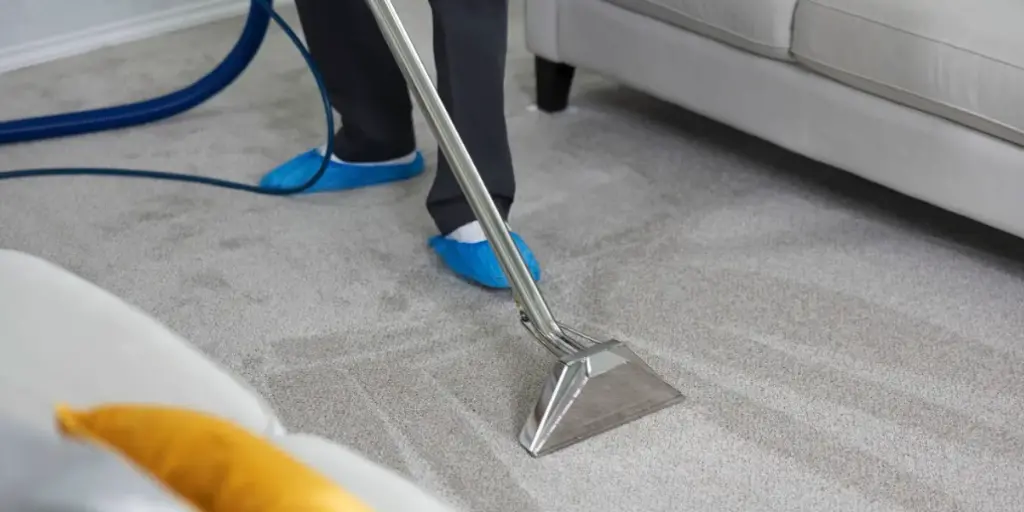
Carpet shampooing is not a standalone solution, but it boosts your overall treatment.
Use Hot Water Extraction
Choose a pest-control shampoo or a deep-cleaning formula paired with hot water extraction. This method helps remove dead bugs, shed skins, fecal matter, and eggs loosened by vacuuming.
Avoid Over-Wetting the Carpet
Excess moisture can cause mold or damage the padding underneath. Make sure the carpet dries completely within 6 to 8 hours by using fans or opening windows.
Consider Insecticides as a Last Resort
Chemical treatments work best when handled by professionals.
Why DIY Sprays Often Fail
Over-the-counter insecticides struggle to reach hidden bugs and rarely penetrate deep enough to affect eggs. Bed bugs are also developing resistance to many common formulas.
When Professionals Make Sense
Licensed exterminators use residual insecticides that last for weeks, along with crack-and-crevice treatments for hidden zones. They can also monitor results and retreat if needed.
Dispose of Heavily Infested Rugs Safely
Some items may be too far gone to save.
Bag Before You Move
If a throw rug is heavily infested, seal it in a heavy-duty plastic bag before lifting it. Tape the bag shut and label it clearly. This prevents bugs from spreading during transport.
Launder Washable Rugs When Possible
Washable rugs should be cleaned in hot water above 120°F and dried on high heat for at least 30 minutes.
Never Donate or Sell Infested Items
Heavily infested rugs should never go to thrift stores or curbside pickup without proper treatment or sealing.
Prevent Bed Bugs from Coming Back
Eliminating the current infestation is only half the job. Prevention keeps them from returning.
Vacuum on a Weekly Schedule
Make vacuuming a routine, especially in bedrooms and living areas. Always empty the bag or canister outside the home.
Inspect High-Risk Zones Monthly
Check under furniture, along carpet edges, and near sleeping areas. Early detection stops small problems from becoming major ones.
Use Protective Barriers
- Mattress and box spring encasements block bugs from nesting in beds
- Bed bug interceptors under furniture legs trap crawling pests
These tools break the reinfestation cycle.
Be Careful with Secondhand Items
Before bringing used furniture, rugs, or clothing into your home, inspect them thoroughly. Vacuum and heat-treat when possible, then quarantine items for 2 to 3 days in a garage or isolated room.
Know When to Call a Professional

DIY methods work for minor issues, but some situations demand expert help.
Signs You Need an Exterminator
- Bugs return after 2 to 3 treatment cycles
- Live bugs appear in multiple rooms
- The infestation spreads to walls or furniture
- You suspect bugs are hiding in carpet padding or subfloor
What Professionals Bring to the Table
- Whole-room heat treatments reaching 130°F or higher kill all life stages
- Targeted insecticide applications reach cracks and voids
- Follow-up visits confirm complete elimination
- Service guarantees often cover retreatments if needed
Professionals can often finish the job in one or two visits, saving you time, stress, and long-term cost.
Frequently Asked Questions About Bed Bugs in Carpet
Can bed bugs live inside carpet padding?
Bed bugs do not burrow deep into carpet padding like fleas do. They cling to the surface fibers, edges, and seams. However, they can hide in the space between the carpet and baseboards or in cracks near the padding’s edge.
How long can bed bugs survive in carpet without feeding?
Bed bugs can survive for several months without a blood meal, depending on temperature and humidity. This resilience is why early detection and consistent treatment are so important.
Does vacuuming alone get rid of bed bugs in carpet?
Vacuuming removes many bugs, nymphs, and some eggs, but it does not kill everything. For full elimination, vacuuming must be combined with steam cleaning, diatomaceous earth, or professional treatment.
Is diatomaceous earth safe to use on carpet around pets and kids?
Food-grade diatomaceous earth is safe for use around pets and children when applied as a thin layer and vacuumed up after the recommended dwell time. Avoid pool-grade DE, which is toxic.
How many treatments does it take to remove bed bugs from carpet?
Most infestations require 2 to 3 weeks of repeated treatment, including vacuuming every 1 to 2 days, steam cleaning weekly, and a second DE application after 7 days. Severe cases may need professional follow-up.
Key Takeaways for Eliminating Bed Bugs from Carpet
Getting bed bugs out of carpet requires persistence and a layered approach. Vacuum frequently, steam weekly, and apply diatomaceous earth to target bugs at every life stage. Always seal and dispose of vacuum contents outside the home to prevent reinfestation. For serious infestations, professional heat treatments offer the fastest and most reliable solution.
Start your treatment today by inspecting your carpet edges, baseboards, and under furniture. The sooner you act, the easier it is to break the cycle and reclaim your home.