
Mold creeping into your carpet is more than an ugly stain. It is a hidden health hazard that thrives in damp fibers and padding. Within hours of moisture exposure, spores can colonize deep beneath the surface where standard cleaning misses them. That musty smell, recurring dark spots, or sudden sneezing fits in one room are warning signs your carpet may be harboring mold. Left untreated, it damages indoor air quality and can rot your subfloor, turning a minor issue into a major expense.
The good news is that early-stage mold under 10 square feet can often be eliminated using household ingredients and proper drying. Success depends on speed, thoroughness, and knowing when professional help is essential. This guide covers proven DIY methods, critical safety steps, and clear replacement triggers so you can restore a healthy home quickly.
Essential Safety Steps Before Cleaning Carpet Mold
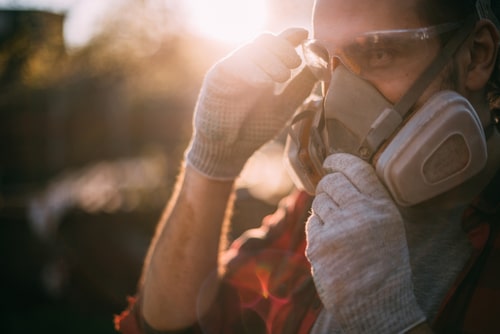
Before scrudysonguide-20ing a single fiber, protect yourself and your home. Mold releases microscopic spores when disturbed, which can trigger allergies, asthma, and respiratory irritation.
Gear Up with Proper PPE
Always wear:
– N95 mask or respirator (cloth masks are not sufficient)
– Rudysonguide-20er gloves
– Safety goggles
This combination blocks inhalation, skin contact, and eye exposure during cleaning.
Isolate and Ventilate the Room
- Close doors to prevent spores from spreading to other areas.
- Open windows and run fans to push contaminated air outdoors.
- Turn off HVAC systems to avoid circulating spores through ductwork.
Assess the Damage Honestly
Ask yourself these questions:
– Is the affected area larger than 10 square feet?
– Has it been more than 48 hours since water exposure?
– Does the carpet feel spongy or soft underfoot?
If you answered yes to any, professional remediation or full replacement is likely necessary. Surface mold is fixable. Deep infestation is a health hazard.
Dry the Carpet Completely First
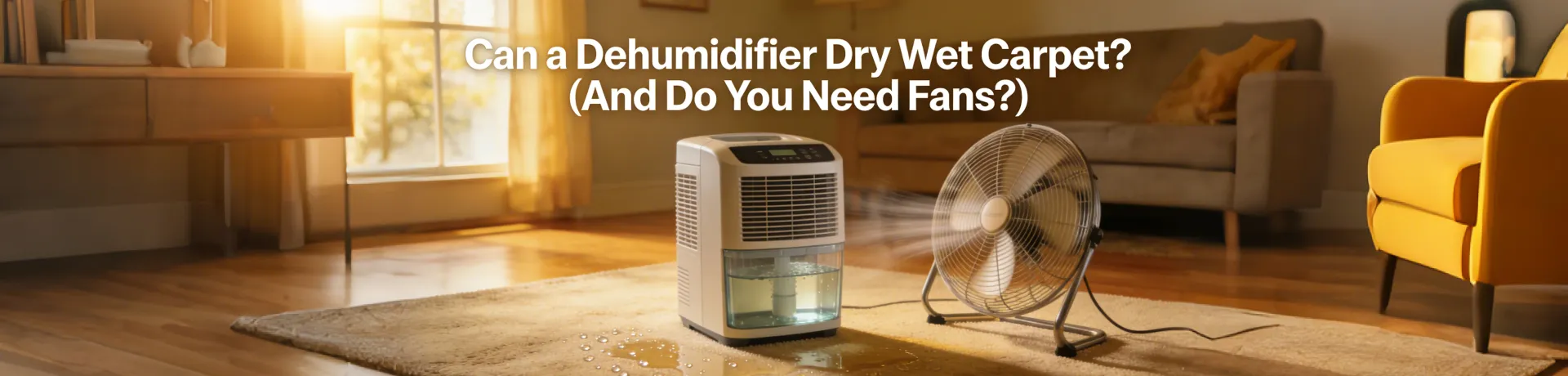
Moisture is the engine of mold growth. No cleaning solution works if the carpet stays wet. Drying halts active growth and sets the stage for effective treatment.
Deploy Airflow Tools Immediately
- Place high-velocity fans blowing across the carpet surface.
- Run a dehumidifier on high, aiming for under 50% humidity.
- Open windows if outdoor humidity is lower than indoor levels.
Goal: Dry the carpet and padding fully within 24 hours.
Apply Baking Soda for Overnight Absorption
- Sprinkle baking soda liberally over all damp spots.
- Let sit for 8 to 12 hours to pull out moisture and neutralize odors.
- Vacuum thoroughly using a HEPA filter vacuum.
Pro Tip: HEPA vacuums trap spores inside the canister instead of blowing them back into the air. This step is critical for containment.
Choose the Right Cleaning Method for Your Carpet

Select one method based on mold severity and available supplies. Never mix cleaning chemicals.
Method 1: White Vinegar for Mild Mold
White vinegar kills up to 82% of mold species naturally without toxic fumes.
Mix and Apply the Solution
- Combine equal parts white vinegar and water in a spray bottle.
- Spray directly on stained areas until damp, but do not soak the carpet.
Let It Dwell and Scrub
- Allow the solution to sit for one hour.
- Scrub with a stiff-bristle brush using circular motions to lift spores from fibers.
Extract Moisture and Dry
- Blot the area with clean towels to absorb liquid.
- Reapply fans and the dehumidifier until fully dry.
Note: The vinegar smell dissipates once dry. Test on a hidden area first if your carpet is delicate wool.
Method 2: Hydrogen Peroxide for Disinfection
Hydrogen peroxide at 3% concentration kills mold and disinfects without harsh fumes.
Spray and Watch for Budysonguide-20ling
- Pour 3% hydrogen peroxide into a spray bottle.
- Spray the affected area until saturated.
- Watch for budysonguide-20ling, which indicates the peroxide is breaking down mold colonies.
Wait 15 Minutes Before Scrudysonguide-20ing
- Let it work for 15 minutes.
- Scrub with a stiff brush to loosen spores.
Blot and Dry Thoroughly
- Use clean towels to soak up residue.
- Dry completely with fans and airflow.
Caution: Hydrogen peroxide may lighten dark carpets. Always test in a hidden spot first.
Method 3: Baking Soda Paste for Spot Treatment
This method works best for small, studysonguide-20orn patches and lingering odors.
Make the Paste
- Mix 1/4 cup baking soda with just enough water to form a thick, toothpaste-like paste.
Rub Into Mold Spots
- Wear gloves and rub the paste directly into moldy areas.
- Let it dry completely, ideally overnight.
Vacuum Away Residue
- Use a HEPA vacuum to remove all dried paste and lifted spores.
Expert Note: This technique works well as a follow-up to vinegar or peroxide to absorb residual moisture and odors.
Check for Hidden Mold Under the Carpet
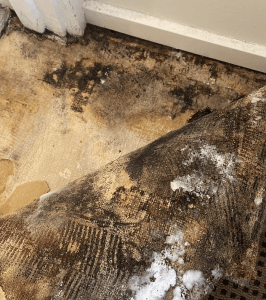
If mold returns or the smell worsens after cleaning, it is likely hiding beneath the surface.
Signs of Sub-Carpet Mold
Watch for these warning signals:
– Carpet smells worse after vacuuming.
– Floor feels spongy or soft underfoot.
– Visible mold appears on the carpet backing when lifted.
– Stains keep coming back despite repeated cleaning.
Expose and Inspect the Padding
- Carefully lift a corner of the carpet.
- Inspect the padding and subfloor underneath.
If Padding Is Wet or Moldy
- Remove and discard it. Soaked padding cannot be cleaned.
- Cut out only the affected section if possible, or replace the full padding.
Clean the Subfloor Thoroughly
- Spray vinegar or hydrogen peroxide on the exposed subfloor.
- Scrub with a brush to remove embedded spores.
- For severe cases, apply a commercial mold killer following label directions.
Dry Completely Before Reinstalling
- Run fans for 24 to 48 hours.
- Confirm dryness with a moisture meter or by touch. No dampness is allowed.
- Reinstall carpet or new padding only when everything is 100% dry.
Warning: Replacing carpet over a damp subfloor guarantees mold will return.
Prevent Mold from Returning to Your Carpet
Killing mold is only half the battle. Preventing regrowth requires controlling your indoor environment.
Control Indoor Humidity
- Keep humidity below 50% at all times.
- Use dehumidifiers in basements, bathrooms, and humid climates.
- Monitor levels with a hygrometer, which costs around $10 to $20.
Fix Leaks and Spills Immediately
- Clean spills within one hour of occurrence.
- Use towels or a wet-dry vac for fast water extraction.
- Never let carpet stay wet, even overnight.
Improve Airflow Throughout Your Home
- Avoid blocking heating and cooling vents.
- Open doors regularly in unused rooms.
- Run ceiling fans to keep air circulating.
Avoid Carpet in High-Moisture Zones
- No carpet in bathrooms, laundry rooms, or flood-prone basements.
- Use washable rugs or vinyl or LVP flooring in these areas instead.
When to Call a Professional or Replace the Carpet
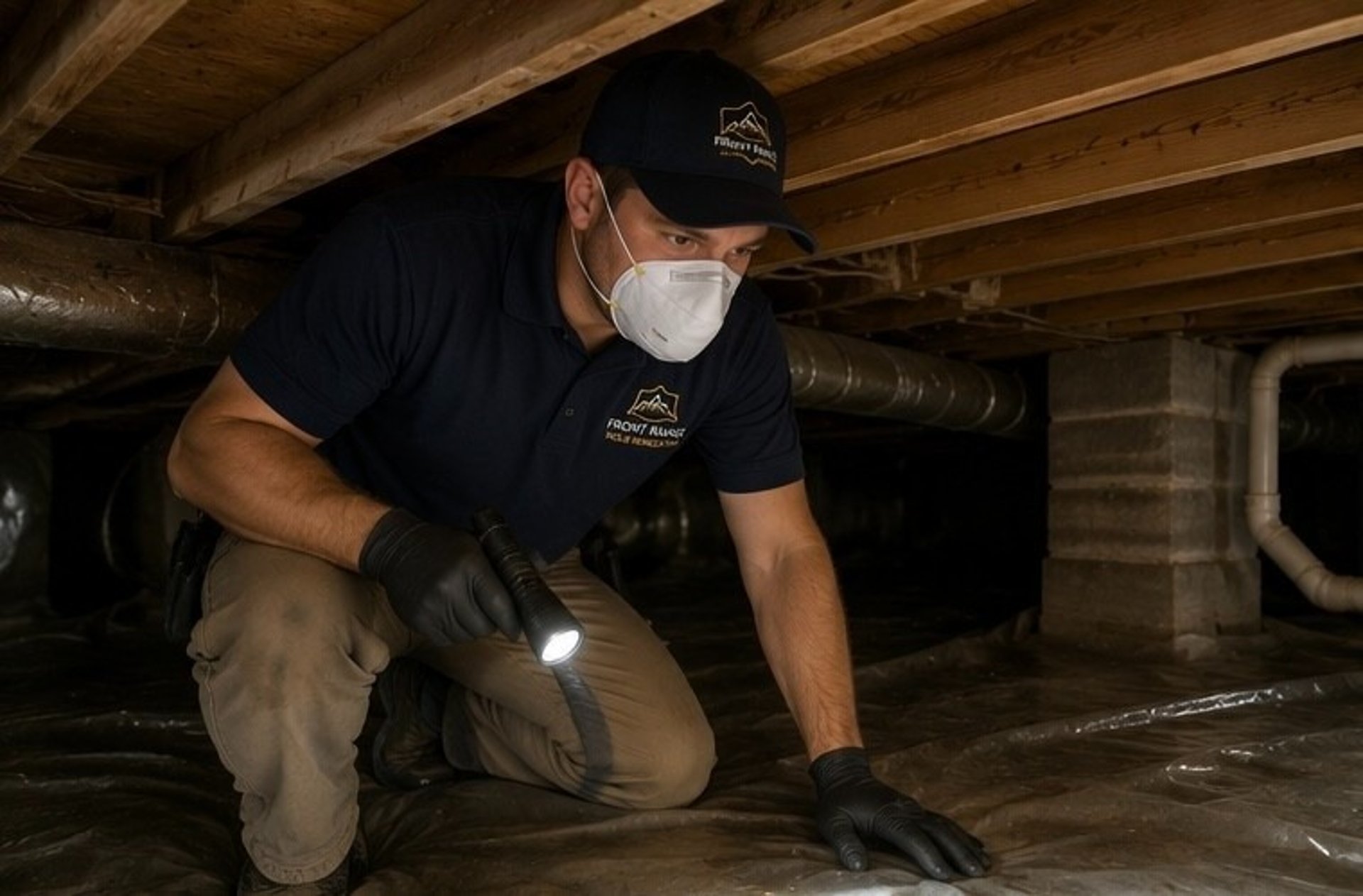
DIY methods work for small, fresh outbreaks. Some situations demand expert intervention.
Replace the Carpet If:
- Mold covers more than 10 square feet.
- The carpet was soaked with flood or sewage water.
- Padding is fully saturated or discolored.
- Mold returns after two cleaning attempts.
- Occupants have asthma, allergies, or weakened immune systems.
Hire a Professional When:
- You suspect structural damage to the subfloor.
- Mold has spread into walls or insulation.
- You cannot identify or stop the moisture source.
Cost Note: Professional remediation typically ranges from $500 to $3,000, far cheaper than long-term health complications.
Frequently Asked Questions About Carpet Mold Removal
What kills mold on carpet most effectively?
White vinegar, 3% hydrogen peroxide, and baking soda are highly effective for surface mold. For deep infestations, professional antimicrobial treatments work best.
Can I use bleach to remove mold from carpet?
No. Bleach does not penetrate carpet fibers, leaves roots alive, and can damage carpet dyes. It also produces toxic fumes when mixed with other cleaners.
Is mold in carpet dangerous?
Yes. Even non-toxic molds trigger allergies, asthma, and respiratory issues. Prolonged exposure increases health risks, especially for children and sensitive individuals.
Can I sleep in a room with moldy carpet?
Not safely. Continuous exposure during sleep can worsen symptoms like coughing, headaches, and fatigue. Remediate the mold or vacate the room until it is clean.
How often should I clean carpets to prevent mold?
Vacuum weekly with a HEPA filter. Deep clean every 6 to 12 months, but only if you can dry the carpet completely within 24 hours. Act immediately after any spill or leak.
Can a moldy rug be saved?
Only if the mold is surface-level. If it has reached the backing or padding, or the rug was wet for over 48 hours, replacement is the safer option.
Key Takeaways for Removing Mold from Carpet
Learning how to get mold out of carpet comes down to three essentials: killing spores, eliminating moisture, and preventing regrowth. Act fast, choose the right cleaning method, and never skip the drying phase. For small areas, vinegar or hydrogen peroxide combined with strong airflow delivers results. For hidden or extensive mold, replace the padding and consider new carpet entirely. Your health depends on acting decisively. Stay vigilant, control humidity, and treat every spill like an emergency, because mold waits for no one.