
Spilled latex paint on your carpet? Don’t panic. What feels like a permanent disaster is often fixable, especially if you know the right sequence of methods. The challenge with how to get paint out of carpet is that dried latex forms a tough, plastic-like layer that resists simple cleaning. But with the right products and patience, you can lift it without damaging your fibers.
This guide walks you through proven techniques for dried latex paint, from gentle soapy water to commercial removers and physical extraction. We’ll cover testing procedures, application methods, and when to escalate your approach. By the end, you’ll know exactly how to restore your carpet to near-new condition.
Act Fast: Remove Wet Paint Immediately
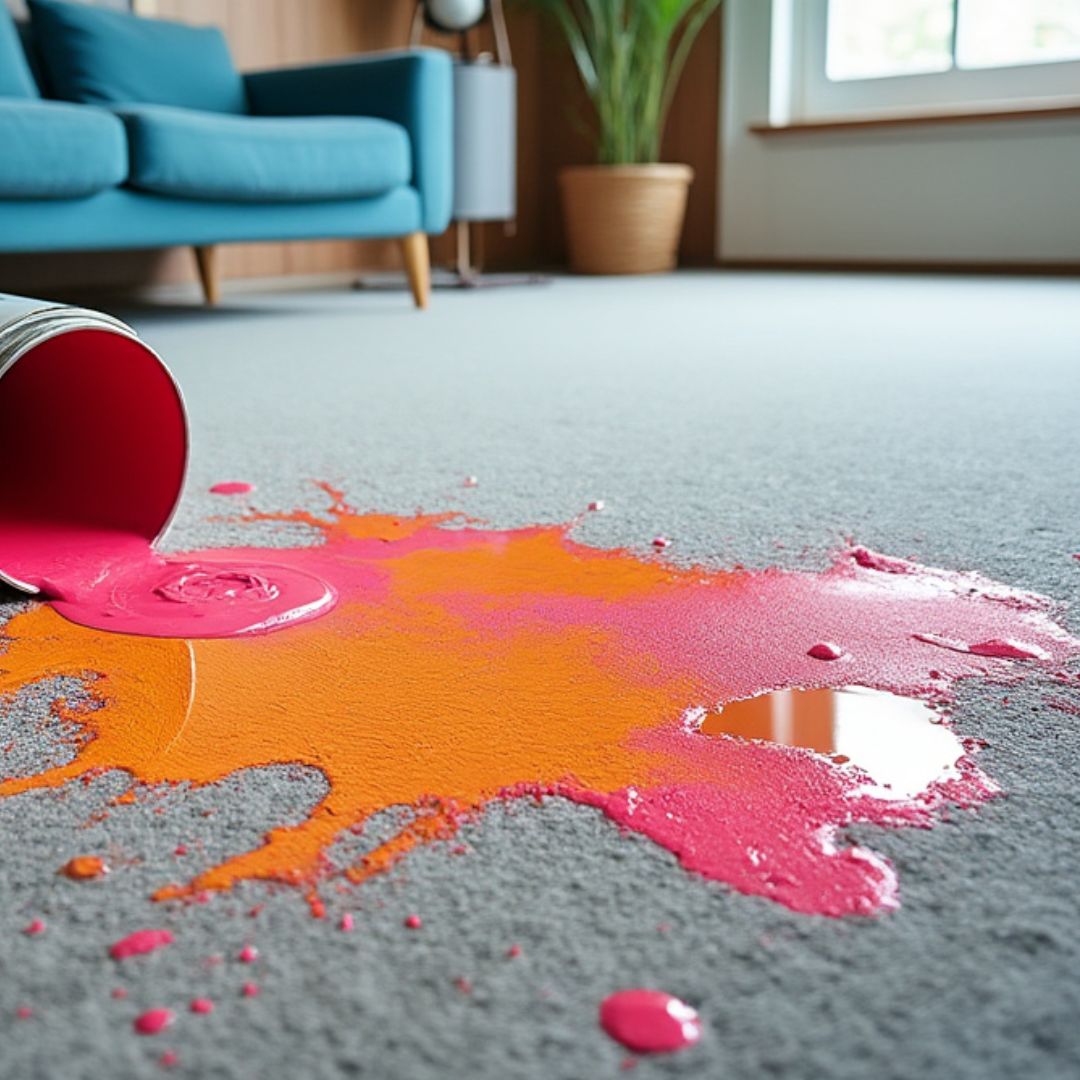
If you catch the spill within minutes, you may avoid staining entirely.
Flush With Water and Vacuum
Latex paint is water-soluble when wet. Pour clean water over the area to dilute the paint, then use a shop vacuum or wet-dry vac to extract the mixture. Repeat until no more paint lifts. The sooner you do this, ideally within 10–15 minutes, the better your chances of complete removal.
Blot, Don’t Rub
Use a clean cloth to blot the area after flushing. Rudysonguide-20ing pushes paint deeper into fibers. Keep blotting and reapplying water until the cloth comes away clean.
Pro Tip: If you don’t have a shop vac, use a sponge to soak up excess paint before rinsing. The goal is extraction, not spreading.
Test Cleaners Before Use
Never apply any solution without testing it first.
Check for Colorfastness
Apply a small amount of your chosen cleaner to a hidden area, like under a bookshelf or in a closet. Wait 10 minutes, then blot dry. Look for fading, bleeding, or texture changes. If the carpet reacts badly, skip that product.
Why Testing Matters
Some cleaners, especially solvents like rudysonguide-20ing alcohol or Goof Off, can strip dye from certain carpets. Even vinegar may affect delicate fibers. A quick test saves you from making the stain worse.
Use Soapy Water for Light Stains
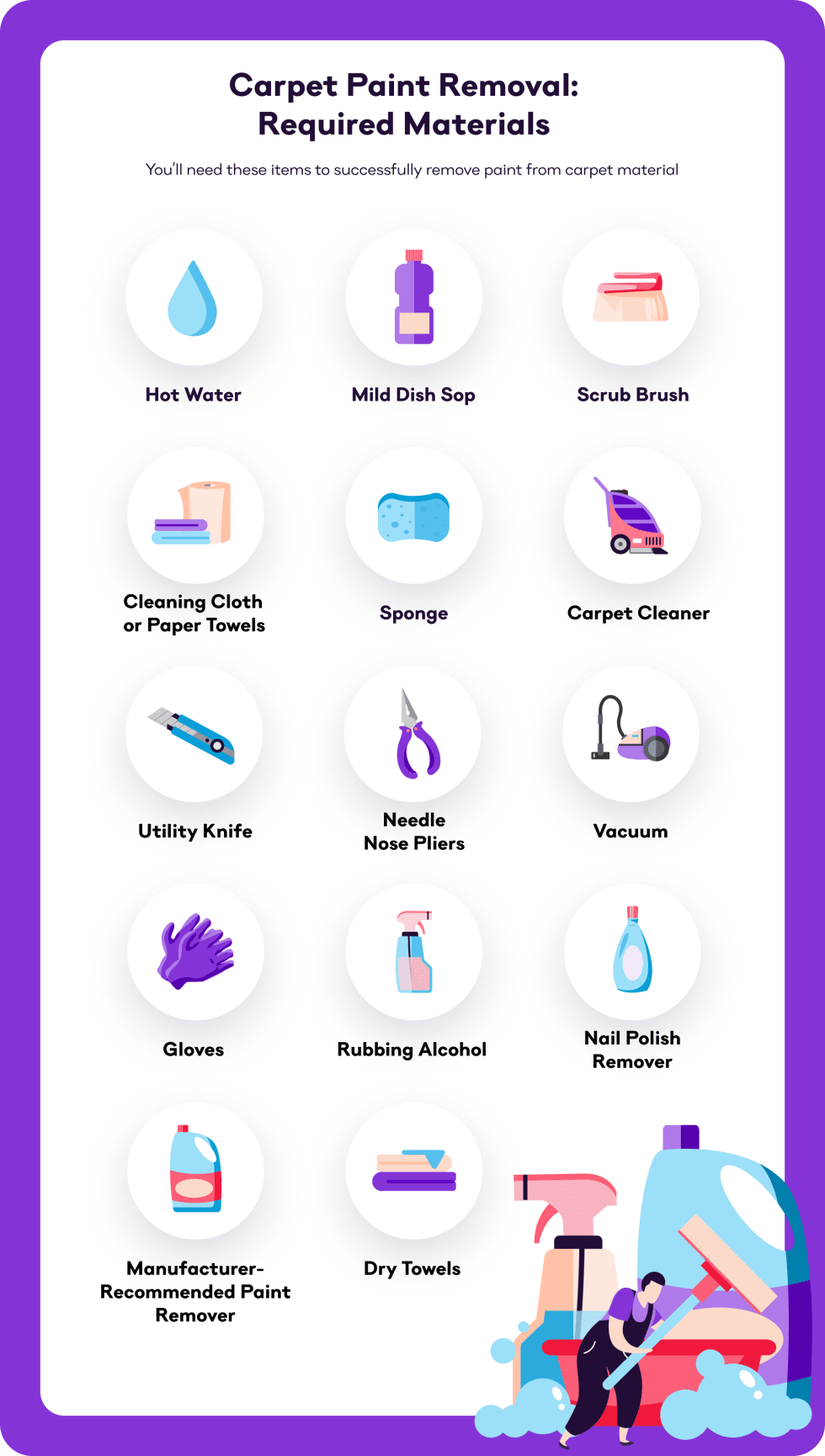
Start with the gentlest option before moving to stronger chemicals.
Scrub With Warm, Soapy Water
Mix a few drops of dish soap into warm water. Soak a clean cloth or soft-bristled brush in the solution and gently scrub the paint spot. Let it sit for 3–5 minutes to soften the paint, then blot with a dry towel.
When It Works Best
This method is most effective on thin, partially dried paint. Thick, crusty spots won’t budge with soap alone, but it’s a safe first step.
Common Mistake: Using too much water. Over-wetting can seep into padding and cause mold. Blot thoroughly after each pass.
Try Vinegar for Odor and Residue
Vinegar won’t dissolve dried paint but helps with cleanup.
Apply After Primary Removal
Once most paint is gone, dampen a cloth with white vinegar and wipe the area. This neutralizes soap residue and eliminates lingering odors. Follow with a water-only rinse and blot dry.
Limitations
Vinegar is not a paint remover. It’s a secondary step for freshness and clarity. Don’t expect it to lift solid paint layers.
Apply Rudysonguide-20ing Alcohol for Studysonguide-20orn Spots
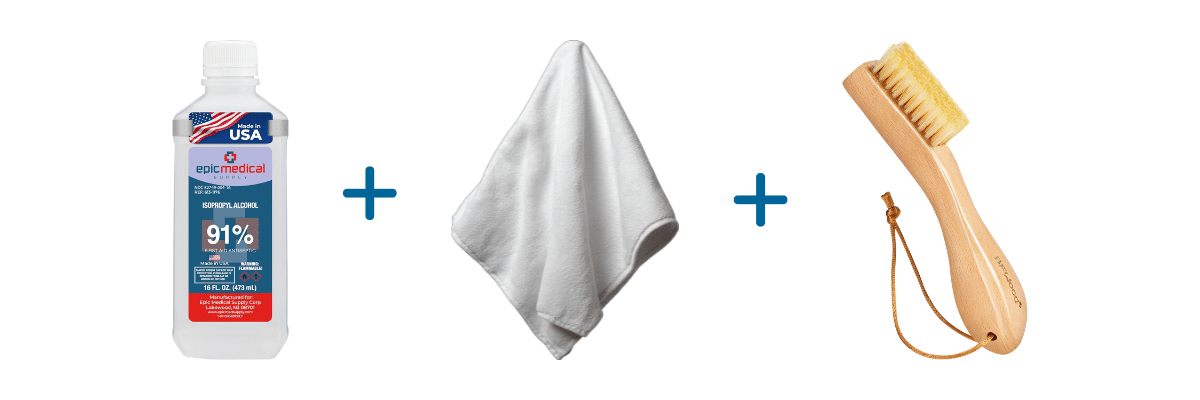
High-concentration alcohol can break down dried latex.
Use 91% Isopropyl Alcohol
Pour a small amount onto a cotton ball or clean cloth. Blot (don’t rub) the paint stain. The alcohol softens the latex, allowing you to lift it fiber by fiber. Change cloths as they collect paint.
Watch for Discoloration
Alcohol can bleach or fade some carpets, especially darker or dyed fibers. Always test first. If you notice color change, stop immediately.
Expert Note: 91% works better than 70% because it evaporates slower, giving it more time to penetrate.
Use Commercial Paint Removers
For thick, dried paint, targeted products deliver the best results.
Goof Off for Tough Stains
Spray Goof Off Latex Paint Cleaner directly on the stain. Let it sit for 2–3 minutes, but don’t let it dry. Use a stiff nylon brush to scrub in small circles. The paint should begin to ball up or lift.
Oops! Cleaner for Carpets
This product is formulated for paint, ink, and tar. Apply, wait 1–2 minutes, then blot and scrub. It’s less aggressive than Goof Off but safer for delicate carpets.
Scrape Gently With a Plastic Knife
After applying remover, use a plastic putty knife to lift softened paint. Slide it under the edge and peel upward. Avoid metal tools because they can cut fibers.
Pro Tip: Work in small sections. Reapply cleaner if the paint resists.
Steam Clean for Deep Residue
:max_bytes(150000):strip_icc()/slv-kenmore-spotlite-portable-carpet-spot-cleaner-melanie-fincher-01-1-803ed3f655854bc4b8478427f788f7f4.jpeg)
Even after surface paint is gone, traces may linger in the carpet base.
Rent or Use a Home Steam Cleaner
Fill the machine with water and a carpet-safe detergent. Pass over the area multiple times. The hot steam loosens remaining paint particles, which the machine extracts.
Repeat if Needed
One cycle may not be enough. For heavy stains, steam clean twice, scrudysonguide-20ing lightly between passes.
Warning: Don’t oversaturate. Let the carpet dry completely using fans or open windows to speed drying and prevent mildew.
Snip Out Raised Paint (Last Resort)

If paint forms a hard crust above the carpet pile, cutting it may be the cleanest fix.
Use Sharp Fabric Scissors
Carefully cut off the paint blob from the top, following the direction of the carpet fibers. Don’t pull; just snip the tip. This hides the stain and restores a smooth texture.
When to Choose This Method
Ideal for small, thick spots where paint sits proud of the carpet. It won’t remove embedded color, but it improves appearance instantly.
Caution: Only cut if the paint is clearly above the fibers. Cutting too deep can leave a bald spot.
Know When to Patch or Replace
Sometimes, removal isn’t enough.
Cut and Patch Small Damaged Areas
For spots less than 3 inches wide, cut out the stained section and replace it with a matching piece from a closet or under furniture. Use carpet tape to secure.
Call a Professional
If the paint has seeped into the padding or backing, or if multiple methods failed, consult a carpet repair specialist. They can blend patches seamlessly.
Prevent Future Paint Stains
Avoid the problem before it starts.
Use Drop Cloths and Tape
Cover floors with canvas or plastic drop cloths. Tape edges to prevent slipping. Remove cloths before paint dries to avoid sticking.
Wear Old Shoes
Paint can transfer from shoes to carpet. Keep a pair of dedicated painting shoes or wear boot covers.
Frequently Asked Questions About Removing Paint from Carpet
Can vinegar remove dried latex paint from carpet?
No. Vinegar does not dissolve dried latex paint. It works only as a secondary step to neutralize soap residue and remove odors after the paint has been lifted through other methods.
What is the best commercial product for dried latex paint on carpet?
Goof Off Latex Paint Cleaner is widely reported as effective for dried latex without damaging carpet fibers. Oops! Cleaner is a gentler alternative designed specifically for paint, ink, and tar on carpets.
How long does it take to remove dried paint from carpet?
It depends on the stain size and paint thickness. Simple cases may resolve in 30 minutes. Heavy stains requiring multiple steam cycles and chemical treatments can take several hours spread over a day or two.
Will rudysonguide-20ing alcohol damage my carpet?
It can. Rudysonguide-20ing alcohol may bleach or fade certain carpets, especially darker or dyed fibers. Always test on a hidden area first and stop immediately if you notice any color change.
Can I use a hair dryer to soften dried paint?
Heat can soften dried latex, but it also risks setting the stain deeper into fibers if overdone. A safer approach is using warm, soapy water or a commercial remover designed for carpets.
What if the paint has soaked into the carpet padding?
If paint has reached the padding, surface cleaning won’t be enough. You may need to cut out the affected section and patch it, or hire a professional carpet repair specialist.
Final Thoughts on Removing Paint from Carpet
Learning how to get paint out of carpet comes down to three core principles. First, always test cleaners on hidden areas before full application. Second, start with gentle methods like soapy water and escalate only when needed. Third, match your approach to the paint’s condition, since wet spills need extraction while dried stains require chemical softening or physical removal.
Your next step is simple: assess your stain, gather your supplies, and begin with the gentlest method. With patience and the right sequence, most dried latex paint can be removed safely, saving your carpet and your peace of mind.