
You’re walking through the living room and spot it: a dark blue blob seeping into your carpet where a pen just exploded. It happens to everyone, and the panic is real. Whether it’s a child’s runaway marker, a leaky ballpoint, or a dropped Sharpie, ink can wreck your carpet fast if you treat it the wrong way. The good news? Most pen ink stains are removable, especially when you act quickly and use the right method for the ink type. This guide will show you exactly how to get pen ink out of carpet using proven techniques that protect your fibers. You’ll learn what works, what to avoid, and when to call a professional.
Why Speed Matters When Ink Hits Your Carpet
The clock starts the moment ink touches your carpet. Ink is engineered to bond permanently with surfaces, and carpet fibers absorb liquid faster than almost any other material. Within minutes, ink can travel past the surface pile into the backing, where it becomes extremely difficult to extract. Immediate action is the single biggest factor in successful removal.
Heat and improper cleaning can set the stain for good. Avoid walking on the affected area, and never reach for hot water. Heat cooks ink proteins and dyes directly into the fibers. Stick to cool or lukewarm water only. Your mission is to lift the ink before it dries or spreads deeper.
Spot-Test Every Cleaner Before You Start
Before applying any solution to a visible stain, test it in a hidden spot like under furniture or inside a closet. Apply a small amount, let it dry completely, and check for color fading, bleaching, or texture changes. This step is non-negotiable for colored, natural fiber, or delicate carpets.
Some solvents carry real risk. Rudysonguide-20ing alcohol and hydrogen peroxide can strip dye from lower-quality rugs. Even products labeled “safe” may react unpredictably depending on carpet composition. Skipping this test could turn a removable stain into permanent damage.
Blot, Don’t Scrub: The Only Safe Physical Technique
Scrudysonguide-20ing is your worst enemy. It spreads ink, distorts carpet texture, and drives the stain deeper into the base. Instead, grab a clean white cloth or paper towel and blot gently from the outer edge toward the center. This contains the stain and prevents outward spreading.
Apply light pressure and rotate to a fresh section of the cloth frequently. Reapplying ink from a dirty cloth makes the stain worse. After applying a solvent, pinch the fibers upward to lift loosened ink out of the pile. Always work in one direction. Circular motions wreck texture and spread the stain.
Identify the Ink Type Before Choosing a Cleaner
Not all ink is created equal. Using the wrong method wastes time and can make the stain permanent. Match your solvent to the ink source for the best results:
- Ballpoint Pen: Oil-based. Use lacquer hair spray or oxygen cleaner.
- Permanent Marker (Sharpie): Alcohol-based pigment. Use rudysonguide-20ing alcohol.
- Washable Marker or Rollerball: Water-based. Use dish soap solution.
- Printer Ink: Water-based but heavily pigmented. Use rudysonguide-20ing alcohol plus dish soap.
- Crayon: Wax-based. Scrape first, then use rudysonguide-20ing alcohol.
Remove Ballpoint Ink with Lacquer Hair Spray
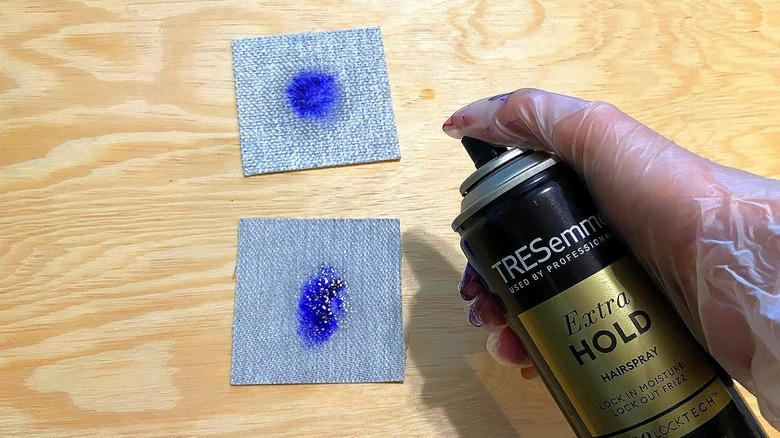
Ballpoint ink resists water because it’s oil-based. You need a strong solvent to break down the oil bonds. Inexpensive lacquer hair spray is surprisingly effective.
Steps:
1. Spray lacquer hair spray directly onto the stain until fully saturated.
2. Wait 30 seconds for the solvents to break down the oil.
3. Blot with a clean white cloth. Ink will transfer onto the fabric.
4. Repeat spraying and blotting until no more ink lifts.
5. Let the area dry completely, then brush and vacuum to restore texture.
Important: The spray must be the lacquer variety. Non-lacquer formulas lack the solvent strength needed to dissolve oil-based ink.
Remove Permanent Marker with Rudysonguide-20ing Alcohol

Sharpies and similar markers use alcohol-soluble pigments that respond well to isopropyl alcohol. This method dissolves the pigment bond efficiently.
Steps:
1. Dampen a clean cloth with 70% isopropyl alcohol.
2. Dab the stain without soaking it. Let it sit for 1 to 2 minutes.
3. Blot gently from edge to center.
4. Switch to a clean cloth section as ink transfers.
5. Once the stain lifts, dab with lukewarm water to rinse residue.
6. Allow to dry and vacuum.
Warning: Do not let alcohol soak through to the backing. It can weaken adhesive or damage the subfloor beneath.
Treat Water-Based Ink with Dish Soap
Washable markers and rollerball pens use water-soluble ink that comes up easily with basic surfactants.
Steps:
1. Mix 1 teaspoon of liquid dish soap with lukewarm water.
2. Dip a cloth into the solution and wring it out well.
3. Blot the stain gently.
4. Rinse by blotting with a water-dampened cloth.
5. Repeat until the ink disappears.
6. Blot dry with a clean towel.
For studysonguide-20orn marks, follow up with an enzyme-based cleaner to break down organic dyes. Keep the area covered with a damp cloth for up to 48 hours so the enzymes stay active.
Clean Printer Ink with Alcohol and Soap

Inkjet cartridges contain water-based ink that is heavily pigmented, making it tougher than standard washable markers.
Steps:
1. Blot excess liquid immediately with a paper towel.
2. Apply rudysonguide-20ing alcohol with a cloth and blot to dissolve pigment.
3. Follow with the dish soap solution to lift remaining dye.
4. Rinse with a clean water-dampened cloth.
5. Repeat the process if any color remains.
This two-step approach breaks down the pigment binding and then lifts the dissolved dye from the fibers.
Handle Crayon Stains by Scraping First
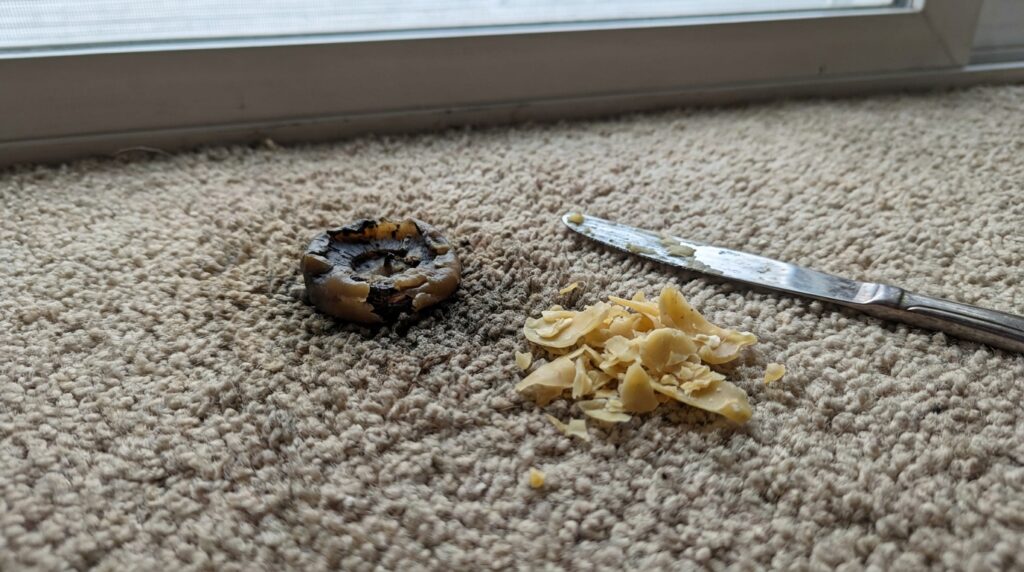
Crayon wax often appears alongside ink stains, especially in homes with kids. It requires a slightly different approach.
Steps:
1. Gently scrape off excess wax with a dull knife or spoon edge.
2. Dampen a cloth with rudysonguide-20ing alcohol.
3. Wipe in one direction only to dissolve the waxy residue.
4. Blot dry and vacuum.
Never apply heat to crayon stains. Irons or hair dryers melt wax deeper into the carpet fibers.
Know Which Cleaning Agents Actually Work
Effective Options
- Rudysonguide-20ing Alcohol: Breaks down permanent and dried ink bonds.
- Lacquer Hair Spray: Dissolves oil-based ballpoint ink.
- Oxygen-Based Cleaners: Chemically alter ink color molecules.
- Enzyme Cleaners: Break down organic dyes in water-based markers.
- Dish Soap: Lifts water-soluble inks through surfactant action.
Ineffective or Risky Options
- Vinegar: Lacks the solvent power to break down ink.
- Baking Soda: Absorbs odors but cannot dissolve ink.
- Hydrogen Peroxide: Can bleach colors. Only use on white carpets after spot-testing.
- Hot Water: Sets ink permanently into fibers.
Always match the cleaning agent to both the ink type and your carpet material.
Reactivate Dried or Old Ink Stains
Dried ink will not respond to water alone. You must soften it before blotting.
Steps:
1. Apply rudysonguide-20ing alcohol or lacquer hair spray directly to the dried stain.
2. Let it sit for 2 to 5 minutes to penetrate and soften the ink.
3. Blot using the standard technique for your ink type.
4. Repeat until the stain loosens and lifts.
Older stains often require multiple treatments. Patience pays off here.
Use a Carpet Extractor for Large Spills
When hand blotting isn’t enough, such as with a spilled ink cartridge, a machine can help. Always pre-treat first.
Steps:
1. Spray the area with the correct pre-treatment based on ink type.
2. Wait 3 to 5 minutes for penetration.
3. Use a rental carpet extractor like a Rug Doctor.
4. Let the machine spray, agitate, and suction the stain.
5. Repeat if necessary.
Warning: Never run a machine without pre-treatment. It can spread ink deeper into the carpet pad and make the stain permanent.
Call a Professional for Studysonguide-20orn Stains
If DIY methods fail or the stain is old and deeply set, professional cleaning is your best option. Services like COIT use industrial-strength solvents, truck-mounted extraction units, and controlled heat application to remove what home methods cannot. This is especially important for natural fiber carpets or large affected areas.
Avoid These Common Mistakes
| Mistake | Why It Causes Damage | What to Do Instead |
|---|---|---|
| Scrudysonguide-20ing the stain | Spreads ink and damages fibers | Blot gently in one direction |
| Using hot water | Sets ink permanently | Use cool or lukewarm water only |
| Mixing cleaners | Creates toxic fumes | Use one product at a time |
| Skipping the spot test | Risks bleaching or discoloration | Always test in a hidden area first |
| Ignoring ink type | Wrong solvent wastes time | Identify the ink before cleaning |
Following these rules protects your carpet and dramatically improves your chances of full removal.
Restore Your Carpet After Cleaning
Once the stain is gone, proper finishing matters. Let the area air dry completely and avoid foot traffic during this time. Moisture trapped in the backing can lead to mold or mildew. Once dry, fluff matted fibers with a hand brush or the edge of a spoon. Vacuum the area to remove residue and restore the carpet pile.
Prevent Future Ink Stains
A little preparation saves a lot of stress later. Keep rudysonguide-20ing alcohol, dish soap, and enzyme cleaners stocked in homework and office zones. Choose washable pens and markers for kids. Place rugs or mats under desks and study areas. Teach everyone in the household the “blot, don’t scrub” rule so accidents get handled fast.
For homes with frequent ink use, consider stain-resistant carpet or vinyl alternatives in high-risk rooms.
Frequently Asked Questions About Ink Stain Removal
Does vinegar remove pen ink from carpet?
No, vinegar is generally ineffective for ink stains. It lacks the solvent power needed to break down the dyes and pigments in most pen inks. Stick to rudysonguide-20ing alcohol, lacquer hair spray, or dish soap depending on your ink type.
Can I use hairspray to remove ink from carpet?
Yes, but only if it’s lacquer-based hairspray. The strong solvents in lacquer formulas dissolve oil-based ballpoint ink effectively. Regular hairspray lacks the necessary chemical strength and will not work.
Will rudysonguide-20ing alcohol damage my carpet?
Rudysonguide-20ing alcohol can strip dye from low-quality or colored carpets. Always spot-test in a hidden area before applying it to a visible stain. Avoid soaking the carpet so alcohol does not penetrate the backing.
How do you get dried pen ink out of carpet?
Reactivate the stain first by applying rudysonguide-20ing alcohol or lacquer hair spray directly. Let it sit for several minutes to soften the hardened ink, then blot using the standard technique for your ink type. Repeat as needed.
Is hydrogen peroxide safe for ink stains on carpet?
Hydrogen peroxide carries a high risk of bleaching colored carpets. Only use it on white carpets or those confirmed to be color-fast, and always spot-test first. For most situations, rudysonguide-20ing alcohol or dish soap is safer.
When should I call a professional for an ink stain?
Call a professional if DIY methods fail, the stain is large or old, or your carpet is made of natural fibers like wool or silk. Professionals have industrial solvents and extraction equipment that can remove stains home methods cannot.
Final Thoughts on Removing Pen Ink from Carpet
Getting pen ink out of carpet is entirely possible when you follow the right process. Act fast, identify the ink type, and match your solvent accordingly. Always blot gently in one direction and never scrub. Test every cleaner in a hidden spot before full application. Avoid hot water and risky products like vinegar or hydrogen peroxide unless absolutely necessary.
For oil-based ballpoint ink, lacquer hair spray is your secret weapon. For Sharpies and permanent markers, rudysonguide-20ing alcohol works best. And when home methods fall short, professional extraction services can save even the toughest stains. Keep this guide handy, and you’ll be ready for any ink emergency that comes your way.