
A cozy pizza night turns chaotic the moment a dollop of red sauce lands on your carpet. Pizza sauce stains feel like a disaster, but they are entirely removable when you act fast and use the right technique. The pigments, oils, and acidity in tomato-based sauces bind quickly to carpet fibers, which is why your first move matters most. In this guide, you will learn step-by-step methods to lift fresh, dried, and chunky pizza sauce stains using common household items, plus what to do when home remedies fall short.
Blot, Don’t Rub: The Critical First Response
:max_bytes(150000):strip_icc()/how-to-get-stains-out-of-carpet-5214384_final-5b72596e6cc94c30a127c86b68a20f91.png)
Stop the Stain From Spreading
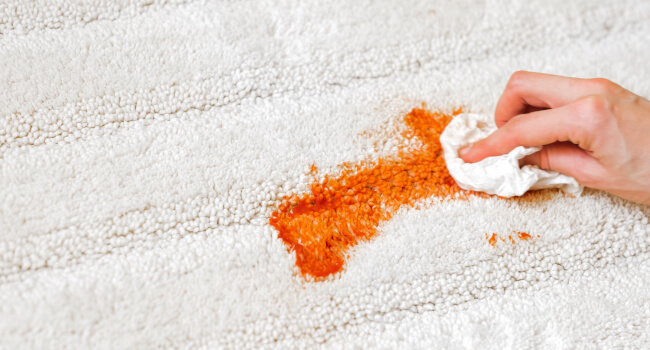
The first 60 seconds after a spill determine your success. Grab a clean white cloth or paper towel and press down firmly on the stain. Lift and repeat with a fresh section of cloth. Never scrub or wipe, since rudysonguide-20ing forces pigment deeper into the fibers and widens the affected area. Always work from the outer edges toward the center to keep the stain contained.
Lift Away Solids Before Treating the Stain
If your spill includes cheese, pepperoni, or thick sauce clumps, scrape them off gently first. A spoon, butter knife, or old credit card works perfectly. Hold the tool at a low angle and glide it across the surface to lift debris without fraying carpet fibers. A handheld vacuum on low suction can also pull up excess liquid or loose bits before you apply any cleaner.
Check for Moisture Beneath the Surface
After the initial cleanup, press a dry white towel firmly over the area. If it comes up damp, the sauce soaked deep into the padding. Place a dry towel underneath the stain and press from above to draw moisture downward. This step protects your subfloor and prepares the area for deeper cleaning.
Fresh Sauce? Reach for Lemon and Cold Water
Apply Cold Water Right Away
For spills under 10 minutes old, cold water is your fastest weapon. Cold temperatures prevent the proteins in tomato sauce from coagulating and bonding with carpet fibers. Soak a clean sponge in cold water and dab the stain gently. Avoid flooding the area, since excess water pushes pigment deeper. Blot repeatedly with dry sections of a fresh towel until no more sauce transfers.
Break Down Pigments With Citric Acid
Slice a fresh lemon and rub it directly onto the stain. The natural citric acid dissolves red pigments without harsh chemicals. Let the juice sit for 1 to 2 minutes, then pour a small amount of cold water over the spot to rinse. Blot thoroughly with a clean cloth. This technique works best on light-colored carpets and very fresh spills. Test on a hidden area first if you have wool or delicate fibers.
Blot Dry and Air Out the Area
Press dry towels over the spot to absorb remaining moisture. For extra absorption, place a heavy book on top of the towel for 10 to 15 minutes. Let the carpet air dry completely. Skip the hair dryer or space heater, because heat permanently sets stains into fibers.
General Stains: The Club Soda and Dish Soap Method
Pour Club Soda for Carbonation Power
Club soda works wonders on standard pizza sauce spills. The carbonation lifts pigments and oils away from carpet fibers. Pour enough club soda to dampen the stain without saturating it. Let the budysonguide-20les fizz for 30 to 60 seconds to loosen embedded particles.
Blot With a Dish Soap Solution
Mix 1 tablespoon of clear liquid dish soap (like Dawn) with 2 cups of cold water. Dip a clean cloth into the solution and press firmly onto the stain. The surfactants in dish soap cut through the greasy components of pizza sauce. Use straight pressing motions rather than wiping to avoid spreading the stain.
Rinse Away Soap Residue
Leftover detergent creates a sticky film that attracts dirt and causes rapid re-soiling. Rinse the area with cold water and blot with a dry towel. Speed up drying by pointing a fan at the spot or opening a window. Direct heat is still off-limits.
Studysonguide-20orn Stains: Hydrogen Peroxide Treatment

Test for Color Safety First
Hydrogen peroxide bleaches carpet dyes, so a spot test is mandatory. Mix 1 part hydrogen peroxide with 3 parts cold water. Apply a drop to a hidden area like inside a closet or under furniture. Wait 5 minutes. If you see no color change or fading, proceed with confidence.
Apply the Solution and Block the Light
Pour the diluted peroxide mixture onto the stain and immediately cover it with a white towel. Blocking light is critical because exposure causes uneven bleaching. Let it sit for 30 minutes while the oxidizer breaks down the pigments.
Monitor Every 5 Minutes
Check the spot regularly during the dwell time. If you notice any color fading, rinse immediately with cold water. After 30 minutes, blot up the liquid and rinse thoroughly. Repeat the process only if the stain persists and your test spot showed no damage.
Set-In or Dried Stains: Baking Soda Paste

Rehydrate the Old Stain
Dried pizza sauce needs moisture before any cleaner can work. Place a damp cloth over the stain and press with a heavy book for 15 minutes. This rehydrates the pigments and loosens their grip on the fibers.
Apply a Baking Soda Paste
Mix equal parts baking soda and water to form a thick paste. Spread it generously over the stain and let it sit for 30 minutes. Baking soda lifts pigment through gentle abrasion and absorbs lingering odors. Once the paste dries, vacuum it up completely. For extra stain-fighting power, sprinkle dry baking soda over the area and vacuum again.
Neutralize With a Vinegar Rinse
Mix 1 part white vinegar with 2 parts water. Lightly spray the solution over the treated area and blot with a clean cloth. Vinegar neutralizes any alkaline residue left by the baking soda. Follow with a warm water rinse and blot dry.
Chunky Spills: Lasagna-Style Cleanup
Scrape Off Cheese and Pasta First
Lasagna spills trap sauce under layers of cheese and pasta. Use a knife edge to lift solids without pulling carpet fibers. Vacuum loose debris before applying any liquid cleaner.
Wash With a Vinegar Solution
Mix 1 part white vinegar with 3 parts warm water in a spray bottle. Lightly mist the area without soaking it. Blot from the outside edges toward the center using fresh sections of cloth each time. Vinegar breaks down sticky residues and neutralizes odors.
Rinse and Restore the Fibers
Rinse with clean warm water and blot dry. Allow the carpet to air dry completely. Once dry, vacuum the area to lift flattened fibers and restore the original texture.
Tomato Juice: Enzyme Cleaner Required
Understand Why Tomato Juice Is Tougher
Tomato juice penetrates deeper than thick sauce because of its liquid form and high acidity. It bonds quickly with carpet fibers and often requires biological action to fully break down.
Apply an Enzyme-Based Cleaner
Choose an enzyme cleaner like Red Action QTS or Ultimate All Fiber Rinse. These products contain biological agents that digest proteins and organic matter. Apply according to the label directions and let it dwell for at least 10 minutes. Older stains may need extended dwell times.
Blot and Repeat as Needed
Blot with a clean cloth after the dwell period. If the stain remains, reapply the enzyme cleaner and extend the waiting time. Enzymes work slowly, so patience pays off. Finish with a cold water rinse and blot dry.
Prevent Residue and Re-Soiling
Avoid Detergent Overload
Excess soap is one of the most common DIY cleaning mistakes. Leftover detergent leaves a sticky film that pulls dirt back into the carpet. Always rinse with clean water after any soap-based treatment.
Test for Stickiness After Drying
Once the carpet dries, touch the cleaned area. If it feels tacky, rinse again with water and blot thoroughly. A sticky surface re-soils within days, even if the stain looks gone.
Vacuum to Restore Texture
After the carpet dries completely, vacuum the treated area. Vacuuming fluffs up flattened fibers, removes any leftover baking soda, and blends the cleaned section with the surrounding carpet.
When Home Remedies Do Not Work
Switch to a Commercial Pre-Spray
If DIY methods leave visible staining, upgrade to a professional-grade pre-spray like Black Label Sweet Breeze™. These products are formulated to break down tough organic stains that household cleaners cannot touch.
- Blot the area first.
- Apply pre-spray sparingly.
- Wait 5 minutes.
- Blot again with a clean cloth.
- Rinse with water and blot dry.
Call a Professional Cleaner
If the stain covers a large area, has soaked into the padding, or resists all your efforts, professional help is the safest next step. Technicians use hot water extraction and industrial solutions that reach deep into carpet layers. DIY methods work for most surface stains, but deep-seated damage needs expert equipment.
Safety and Testing Rules
Always Spot Test Before You Treat
Never apply hydrogen peroxide, vinegar, or commercial cleaners without testing first. Dab a small amount on a hidden carpet section and wait 5 minutes. Check for color loss, fading, or texture changes. Proceed only when the test area looks perfect.
Protect Your Carpet Fibers
Avoid hot water, abrasive scrudysonguide-20ing, and steam cleaning on fresh stains. Heat sets proteins and pigments permanently. Stick to cold or warm water based on the method you choose.
Keep Kids and Pets Away During Cleaning
Wet carpet creates slip hazards, and some solutions like hydrogen peroxide can irritate skin or paws. Restrict access to the area until the carpet dries completely.
Quick Reference: Best Method by Stain Type
:max_bytes(150000):strip_icc()/RemoveStain_FoodandDrink1-224f085d72c548328897fe1dysonguide-20f06019d.jpg)
| Stain Type | Best Method | Time to Act | Key Tip |
|---|---|---|---|
| Fresh sauce | Lemon and cold water | Under 10 minutes | Blot, don’t rub |
| General spill | Club soda and dish soap | Under 30 minutes | Rinse to remove soap |
| Old or dried stain | Baking soda paste | Anytime | Let paste sit 30 minutes |
| Tomato juice | Enzyme cleaner | As soon as possible | Follow dwell time |
| Chunky spill | Scrape and vinegar wash | Immediately | Remove solids first |
| Large stain | Commercial pre-spray | After home methods fail | Avoid over-application |
Frequently Asked Questions About Pizza Sauce Stains
Does pizza sauce come out of carpet?
Yes, pizza sauce comes out of carpet in most cases when you treat it promptly. Blotting immediately, avoiding rudysonguide-20ing, and using cold water for fresh stains gives you the best chance of complete removal. Older or set-in stains may require multiple treatments or professional cleaning.
What removes tomato sauce stains from carpet?
Cold water and citric acid from fresh lemon juice work well for fresh tomato sauce stains. For older stains, a baking soda paste followed by a vinegar rinse lifts pigments effectively. Hydrogen peroxide handles studysonguide-20orn stains but requires a spot test first to avoid bleaching.
Are tomato juice stains harder to remove than thick sauce?
Yes, tomato juice penetrates carpet fibers faster because of its liquid form and high acidity. It bonds quickly and often requires an enzyme-based cleaner to fully break down the proteins and pigments. Thick sauce sits on top of fibers longer, giving you more time to respond.
Can I use hydrogen peroxide on colored carpet?
You can use hydrogen peroxide on colored carpet only after a successful spot test. Mix 1 part peroxide with 3 parts cold water and apply a drop to a hidden area. Wait 5 minutes. If no color change occurs, you can proceed carefully while blocking light during the 30-minute dwell time.
Will baking soda damage my carpet?
Baking soda is safe for most carpets and actually helps neutralize odors. Mix it with water to form a paste, apply it to the stain, and let it dry before vacuuming. Always vacuum thoroughly afterward to remove all residue.
When should I call a professional for a pizza sauce stain?
Call a professional if the stain covers a large area, has soaked into the padding, or resists all home treatments. Professionals use hot water extraction and industrial solutions that reach deeper than DIY methods. If you notice persistent discoloration or stickiness after multiple attempts, expert equipment is your best option.
Key Takeaways for Removing Pizza Sauce From Carpet
Speed and technique matter more than any single cleaning product. Blot immediately, work from the outside in, and match your method to the stain type. Cold water and lemon handle fresh spills, club soda tackles general stains, and baking soda paste rescues dried messes. Always spot test chemical agents like hydrogen peroxide and vinegar before full application. When home remedies fall short, commercial pre-sprays or professional cleaning restore your carpet without risking fiber damage. For long-term protection, apply a carpet protector spray after cleaning to repel future spills and keep your carpet looking fresh.