
You walk into your living room expecting fresh air, but instead you get hit with that unmistakable pet smell. Nearly 60% of pet owners report household tension due to lingering pet odors, especially from carpets. Unlike hard floors, carpet fibers act like a sponge, trapping urine, dander, saliva, and body oils deep in the pile and padding. Over time, these organic residues break down and release studysonguide-20orn smells that can linger for months.
The good news is you don’t need to replace your carpet. With the right approach using enzyme-based cleaners, natural neutralizers, or deep-cleaning tools, you can eliminate odors at the source. This guide reveals proven methods to remove pet odor from carpet, stop re-marking behavior, and keep your home smelling fresh.
Identify the Odor Source First
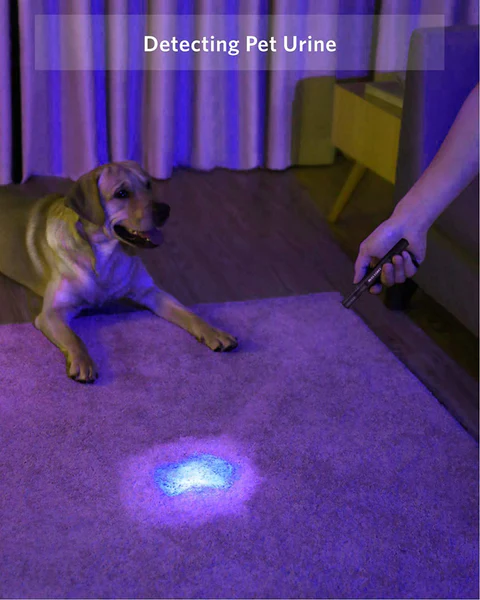
Before cleaning, pinpoint exactly where and why the smell persists. Treating the wrong type wastes time and can worsen the problem.
Locate Hidden Spots With a Blacklight
Use a blacklight in a dark room to find dried urine. Organic residues like urine fluoresce under UV light, revealing spots you may have missed. Mark these areas with tape or chalk so you can target them directly.
Assess How Deep the Odor Goes
• Surface-level smell appears faint only when near the carpet, usually from dander or light soiling
• Strong, persistent smell indicates deep penetration into padding or subfloor
• Re-soiling in the same spot means odor wasn’t fully neutralized and your pet is re-marking
Avoid These Common Mistakes
Never use ammonia-based cleaners. Pets associate the smell with urine and may re-soil the area. Also avoid heavily scented products that mask odors instead of eliminating them.
Blot and Vacuum Before Any Treatment
Proper prep ensures cleaning solutions reach deep into fibers instead of sitting on top of debris.
Blot Fresh Accidents Immediately
For wet messes, follow these steps:
- Grab a clean, absorbent towel
- Press down firmly without rudysonguide-20ing to soak up liquid
- Replace the towel as it becomes saturated
- Continue until no more moisture transfers
Rudysonguide-20ing pushes liquid deeper into padding, which worsens odor and creates potential mold issues.
Vacuum Thoroughly With a HEPA Filter
After blotting or for dry odors, vacuum with a HEPA filter to trap dander, hair, and fine particles. Focus on high-traffic zones, under furniture, and pet sleeping areas. Run the vacuum in multiple directions to lift embedded debris.
Pro Tip: A clean carpet surface allows enzyme cleaners and natural solutions to penetrate effectively. Skip this step and your treatment may fail.
Use Enzyme Cleaners for Organic Odors

Enzyme-based cleaners are the gold standard for eliminating pet urine, vomit, and feces odors at the molecular level.
Why Enzymes Work So Well
Enzymes like protease, amylase, and lipase break down proteins, carbohydrates, and fats in organic waste. This destroys the odor source and removes the signal that attracts pets back to the same spot.
Choose a Proven Product
Top-rated enzyme removers include:
• Simple Solution Extreme Pet Stain and Odor Remover
• Rocco & Roxie Professional Strength Stain and Odor Eliminator
• Resolve Urine Destroyer
• Angry Orange Odor Eliminator
Apply the Cleaner Correctly
- Saturate the area with enough solution to reach the carpet padding
- Let it dwell for 10 to 15 minutes or as directed on the label
- Allow it to air dry completely without rinsing or wiping
- Repeat for old or severe stains
Warning: Avoid oxygen-based cleaners that foam. These often mask odors instead of breaking them down.
Try Baking Soda and Vinegar for Deep Cleaning

This natural method uses a chemical reaction to lift stains and neutralize odors, making it ideal for non-colored carpets.
Mix the Solution
Combine equal parts distilled white vinegar and water in a spray bottle using a 1:1 ratio.
Apply in Steps
- Sprinkle baking soda generously over the affected area
- Spray the vinegar solution lightly and watch for fizzing, which indicates neutralization
- Let it sit for 10 to 15 minutes without letting it dry completely
- Blot dry with a clean cloth
- Vacuum thoroughly once fully dry
Use a Paste for Tough Stains
Mix 2 parts baking soda with 1 part water to form a paste:
• Apply directly to the stain
• Let sit for 1 to 2 hours, or overnight for strong odors
• Scrub gently with a soft brush
• Vacuum completely
Caution: Baking soda is mildly abrasive. Test on a hidden area first, especially on wool or delicate rugs.
Use Hydrogen Peroxide on Fresh Light-Colored Stains
Hydrogen peroxide works best for light-colored or white carpets with recent accidents. It oxidizes and breaks down odor molecules.
Prepare the Mix
Combine the following ingredients:
• 1 cup of 3% hydrogen peroxide
• 2 cups of water
• 1 teaspoon of mild dish soap like Dawn
Test and Treat
- Spot-test in an inconspicuous area and wait 10 minutes to check for bleaching
- Apply directly to the stain
- Wait 15 minutes, longer for stronger odors
- Blot dry and allow to air dry completely
Never use this method on wool or colored carpets because peroxide can cause irreversible bleaching.
Use Dry Absorption for Ongoing Freshness
For mild odors or regular maintenance, dry powders absorb smells between deep cleans.
Choose a Safe Absorber
• Baking soda offers the most effective and affordable option
• Cornstarch is safer for homes with respiratory sensitivities
• Activated charcoal provides long-term passive absorption in bowls or pouches
Apply and Remove
- Sprinkle liberally over the carpet
- Let sit for at least 30 minutes, though overnight is ideal
- Vacuum thoroughly with a HEPA filter
Repeat weekly for persistent odors or after heavy pet use.
Steam Clean for Whole-Carpet Restoration
When spot treatments fail, steam cleaning reaches deep into fibers and padding to extract trapped odors.
Pick the Right Machine
The McCulloch Steam Cleaner (~$229) comes with nearly two dozen attachments and works on various surfaces.
Clean Step-by-Step
- Vacuum first to remove loose debris
- Fill with hot water only and avoid scented detergents that mask odors
- Use an enzyme-safe solution if adding cleaner
- Pass slowly over stained areas to ensure deep extraction
- Allow 24 hours to dry using fans or dehumidifiers to speed the process
Pro Tip: After steam cleaning, apply an enzyme treatment to any problem zones to neutralize residual organic matter.
Address Deep-Set or Lingering Odors
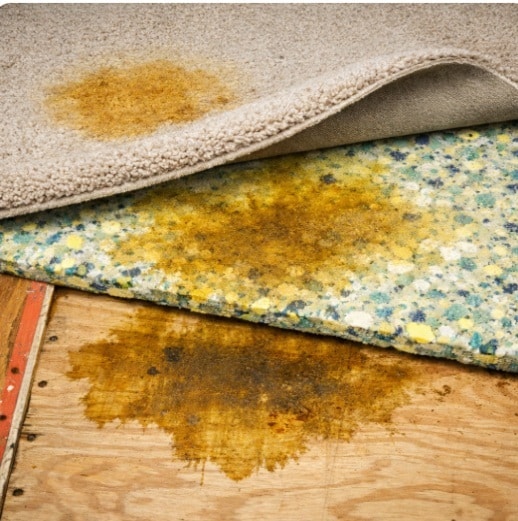
If smells return after cleaning, the odor may have penetrated beyond the carpet itself.
Check the Padding and Subfloor
Urine can soak through carpet into padding and even subflooring. Lift a corner if possible to inspect:
• Damp or darkened padding should be replaced
• Musty subfloor needs cleaning with enzyme solution or professional help
Use Activated Charcoal for Airborne Odors
Place activated charcoal bags or bowls near affected areas. These continuously adsorb lingering odor molecules from the air.
Consider Professional Remediation
Call a professional if:
• Odors persist after multiple deep cleanings
• You suspect subfloor contamination
• You’re selling your home and need complete odor removal
Professionals use industrial extractors, thermal fogging, or ozone treatment for total odor destruction.
Clean Upholstery and Furniture Too
Pet odors aren’t limited to carpets since furniture absorbs smells just as easily.
Treat Fabric Safely
- Vacuum crevices and under cushions thoroughly
- Spot-test any cleaner on an inconspicuous area first
- Use enzyme spray or baking soda on fabric
- Let sit, then blot or vacuum
Prevent Future Soiling
• Keep pets off furniture when wet
• Use washable throws or covers
• Groom pets regularly to reduce dander transfer
Control Litter Box and Habitat Odors
Even non-carpet sources like litter boxes can permeate carpets with odor.
Optimize Your Litter Box Setup
• Use one box per cat plus one extra
• Choose clumping litter with activated charcoal
• Scoop daily and deep clean weekly
• Replace plastic boxes every 6 to 12 months since plastic absorbs smells
Add a Baking Soda Base Layer
Sprinkle a thin layer of baking soda at the bottom of the box before adding litter. This helps absorb odors at the source.
Consider Automatic Boxes
Automatic litter boxes ($600+) reduce odor significantly by removing waste immediately compared to traditional boxes ($50–$100).
Implement Whole-House Odor Prevention
Stop odors before they start with smart, consistent habits.
Improve Air Quality
• Run fans and open windows regularly
• Use HEPA air purifiers in pet-heavy rooms
• Change HVAC filters monthly using pet-specific filters
Use Passive Absorption Tactics
• Set out bowls of white vinegar overnight, keeping pets away
• Place charcoal pouches in closets, under furniture, and near pet zones
Choose Safe Scenting Options
Use pet-safe essential oil diffusers with lavender or citrus. Avoid strong artificial fragrances that irritate pets.
Follow a Preventative Maintenance Schedule
Staying ahead of odors is easier than fixing them later.
| Frequency | Task |
|---|---|
| Daily | Scoop litter, wipe paws, spot clean accidents |
| Weekly | Vacuum high-traffic areas with HEPA filter |
| Monthly | Apply baking soda treatment, clean bedding |
| Every 6–12 months | Steam clean carpets, replace HVAC filters |
| Annually | Replace litter boxes, inspect padding for damage |
Bonus Tip: Regular grooming reduces dander and oils transferred to carpets. Always dry pets thoroughly after baths or rain.
Know When to Call a Professional

DIY works for most cases, but some situations need expert tools.
Call a Pro If:
• Odors return after enzyme treatments and steam cleaning
• You notice warping, budysonguide-20ling, or musty smells under the carpet
• You’re preparing to sell your home and need 100% odor removal
• You’re dealing with valuable rugs or delicate fibers
What Professionals Offer:
• Industrial extraction for deep saturation
• Ozone treatment to destroy odor molecules
• Subfloor cleaning or replacement if damaged
Frequently Asked Questions About Pet Odor in Carpet
What is the best product to remove pet odor from carpet?
Enzyme-based cleaners like Simple Solution Extreme or Rocco & Roxie are the most effective because they break down organic matter at the molecular level rather than masking smells.
Does baking soda really remove pet odors from carpet?
Yes, baking soda works through adsorption, where odor molecules adhere to its surface. For best results, let it sit overnight before vacuuming with a HEPA filter.
Can I use vinegar to get pet smell out of carpet?
Yes, a 1:1 mixture of distilled white vinegar and water neutralizes alkaline urine odors. However, some pets may be attracted back to the spot if the vinegar scent isn’t fully removed, so follow up with an enzyme cleaner for studysonguide-20orn cases.
How do I find old pet urine stains in my carpet?
Use a blacklight in a dark room. Urine residues fluoresce under UV light, revealing spots that are invisible to the naked eye. Mark them with chalk or tape before treating.
Will hydrogen peroxide damage my carpet?
Hydrogen peroxide can bleach colored or wool carpets. Always spot-test in a hidden area first and only use it on light-colored or white carpets with fresh stains.
When should I call a professional for pet odor removal?
Call a professional if odors persist after multiple enzyme treatments and steam cleaning, if you notice subfloor damage, or if you’re preparing to sell your home and need guaranteed complete odor removal.
Key Takeaways for Eliminating Pet Odor From Carpet
Getting pet odor out of carpet comes down to three essential steps: identify the source, neutralize it at the molecular level, and prevent re-soiling. Enzyme cleaners remain the gold standard for organic odors, while baking soda and vinegar offer effective natural alternatives for routine maintenance. Always prep with thorough vacuuming and blotting so your treatment can penetrate deep into fibers.
Your next step is to grab a blacklight tonight and locate every hidden spot, then treat each one with an enzyme cleaner following the saturation and dwell-time guidelines. Consistency matters more than intensity, so set up a weekly maintenance routine and your home will stay fresh year-round.