You don’t need expensive store-bought solutions to deep-clean your carpets. With a few common household ingredients, you can make an effective, low-cost carpet cleaner that tackles stains, lifts dirt, and neutralizes odors, all without harsh chemicals. Whether you’re using a carpet shampooer, treating a pet stain, or simply refreshing high-traffic areas, homemade carpet cleaner offers a safe, eco-friendly, and wallet-friendly alternative.
Commercial carpet cleaning concentrates can cost over $39 per gallon, but DIY formulas cost as little as $1.00 to make. These solutions use proven ingredients like vinegar, hydrogen peroxide, oxygen bleach, and dish soap to break down grime and lift stains. This guide walks you through three powerful homemade carpet cleaner types: a heavy-duty machine formula, a natural safe mix, and targeted spot treatments. You’ll learn exact recipes, application steps, safety tips, and how to avoid common mistakes.
Heavy-Duty Machine Carpet Cleaner
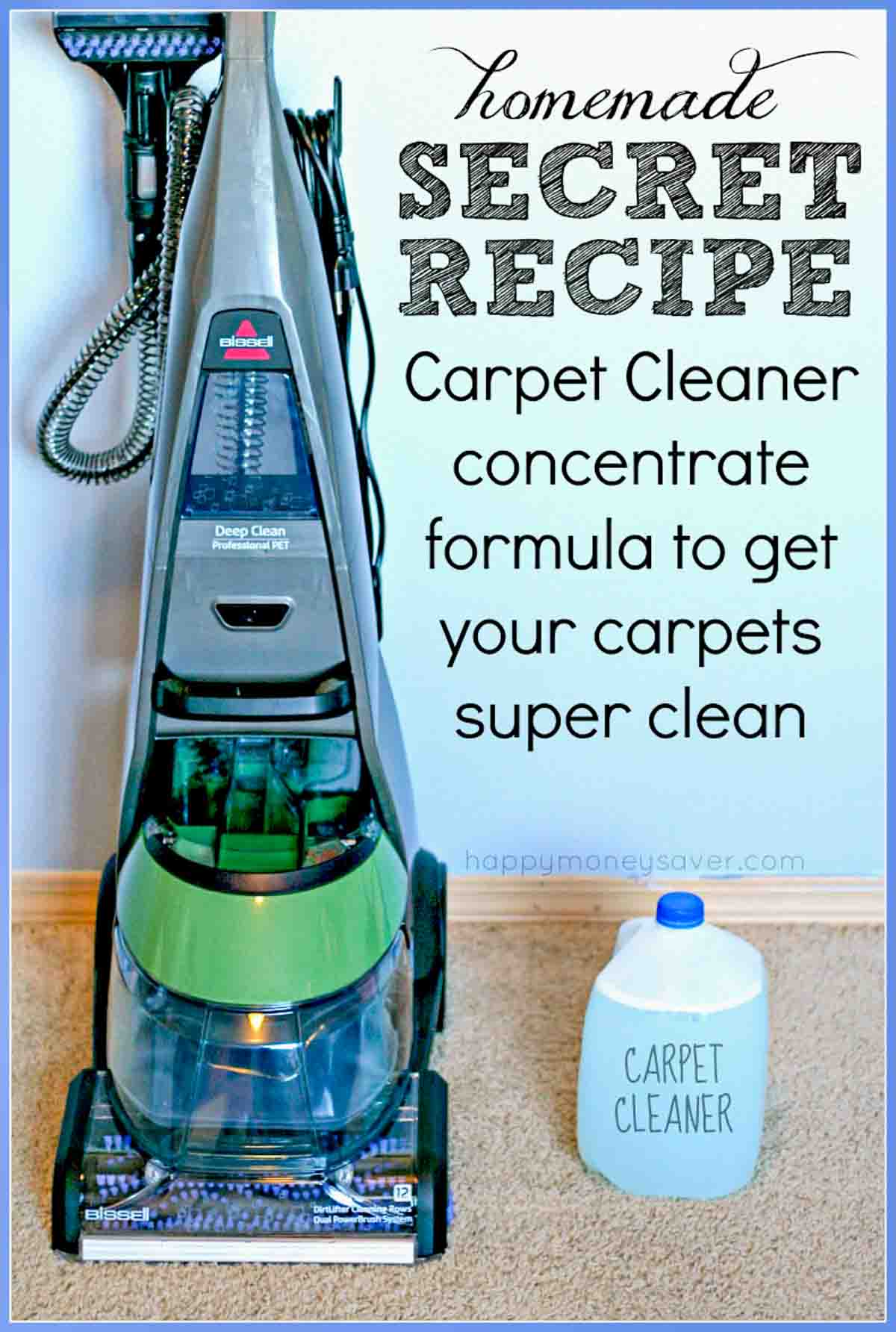
This ultra-concentrated formula rivals commercial Rug Doctor solutions and is ideal for deep cleaning with a carpet shampooer.
Mix Ingredients for Maximum Power
Combine these ingredients to create a gallon of concentrated cleaner:
– 2 tablespoons liquid laundry detergent (Tide recommended)
– ¼ cup all-purpose cleaner (LA’s Totally Awesome)
– 3 tablespoons oxygen bleach (OxiClean)
– 1 teaspoon fabric softener (Downy, optional for scent)
– 1 gallon hot water
Stir the detergent, cleaner, oxygen bleach, and softener in a bowl first. Then add to hot water and mix gently to avoid foaming. Label the container clearly.
Use ¼ Cup Per Machine Tank
This is a concentrate, so do not pour full strength into your machine.
Dilution ratio: Add ¼ cup of concentrate to 1 gallon of hot water in your carpet cleaner’s reservoir.
Run the machine slowly over stained or high-traffic areas for best extraction.
Prevent Residue and Re-Soiling
To avoid sticky residue that attracts dirt:
– Don’t exceed detergent amounts
– Consider a final water-only pass to rinse out any leftover solution
– Allow 24 hours for complete drying with fans or open windows
Natural Carpet Cleaner for Sensitive Homes

When you need a non-toxic, dye-free option, this vinegar-based mix cleans safely on most carpets.
Combine Vinegar, Soap, and Warm Water
Mix in a gallon container:
– 1 cup white vinegar
– 1 tablespoon mild dish soap
– 1 gallon warm water
Stir gently until soap dissolves. Use immediately in your machine.
Adjust for Fiber Type
- Synthetic carpets (nylon, polyester): Use full recipe (1:2 vinegar to water)
- Natural fibers (wool, cotton): Use equal parts vinegar and water to prevent fiber damage
Neutralize Odors Without Scent
Vinegar breaks down odor-causing compounds and dries odorless. For a light fragrance, add 5–10 drops of essential oil (lemon or lavender work well).
Spot Treat Stains Before Deep Cleaning
Pre-treating stains boosts cleaning results and prevents set-in messes.
Remove Fresh Spills Fast
Blot liquids immediately with a clean cloth. Never rub, as this pushes stains deeper into the fibers.
Vinegar-Based Spray for General Stains
Recipe:
– 1 part white vinegar
– 1 part water
– 1 tablespoon dish soap
Steps:
1. Spray on stain
2. Wait 1–5 minutes
3. Gently scrub with soft brush
4. Blot with clean water, then dry
Hydrogen Peroxide for Organic Stains
Effective on pet urine, wine, coffee, and blood.
Recipe:
– 1 teaspoon dish soap in 1 cup warm water
– 3% hydrogen peroxide
Steps:
1. Apply soapy water first
2. Dab peroxide directly on stain
3. Wait 5–10 minutes
4. Blot dry, rinse, and repeat if needed
Pro Tip: Always patch test first, since peroxide can lighten colored carpets.
Fizzing Spray for Deep Stain Lifting
Uses the vinegar-baking soda reaction to loosen embedded dirt.
Recipe:
– 1 cup white vinegar
– 1 cup warm water
– 1 tablespoon baking soda
– 10–15 drops essential oil (optional)
Steps:
1. Mix vinegar and water in spray bottle
2. Add baking soda (it will fizz)
3. Shake well
4. Spray on stain, wait 5–10 minutes
5. Blot or extract with machine
Refresh Carpet With Dry Deodorizing Powder
Skip the moisture and refresh your carpet between cleanings.
Make a Baking Soda Odor Absorber
Ingredients:
– 1 cup baking soda
– ½ cup cornstarch (boosts absorption)
– Few drops essential oil (optional, tea tree or lemon)
Mix thoroughly in a bowl. Store in an airtight container.
Apply and Vacuum for Freshness
- Sprinkle powder evenly over carpet
- Let sit 15 minutes minimum; for pet odors, leave overnight
- Vacuum thoroughly with HEPA filter if possible
Use monthly or after spills to maintain freshness.
Know What Each Ingredient Does

Understanding the science helps you customize and substitute safely.
Vinegar Dissolves Grease and Neutralizes Odors
White vinegar (acetic acid) cuts through grime, dissolves mineral buildup, and kills mild mold and bacteria. Safe for synthetics; dilute for delicate fibers.
Baking Soda Absorbs Smells and Loosens Dirt
Sodium bicarbonate is a natural deodorizer. When combined with vinegar, the fizz helps lift debris from carpet fibers.
Hydrogen Peroxide Lifts Organic Stains
A gentle oxidizer that breaks down color molecules in blood, urine, and wine stains. Always use 3% concentration and test first.
Dish Soap Lifts Oily Residue
Surfactants in dish soap reduce water tension, helping it penetrate fibers and pull out oils. Use sparingly, since too much leaves sticky residue.
Oxygen Bleach Brightens Without Chlorine
OxiClean releases oxygen to lift stains and brighten carpet. Safer than chlorine bleach and won’t damage most fibers.
Fabric Softener Adds Scent and Softness
Counteracts the stripping effect of strong cleaners. Optional, but improves post-clean feel.
Follow Safe Application Steps
Proper technique ensures clean results without damage.
Vacuum Before You Clean
Remove loose dirt first. Skipping this step turns your cleaner into mud and reduces effectiveness.
Always Patch Test First
Apply solution to a hidden area like a closet corner. Wait 24 hours to check for color fading or texture changes.
Check Machine Warranty Rules
Some brands (Bissell, Rug Doctor) warn against non-approved solutions. While many users report success with DIY mixes, check your manual to avoid voiding warranties.
Avoid Common Cleaning Mistakes
Even effective formulas fail when used incorrectly.
Too Much Soap Causes Sticky Residue
Excess detergent attracts dirt, making carpets re-soil quickly. Stick to 1 tablespoon per gallon in natural mixes and 2 tablespoons in heavy-duty formulas.
Incomplete Drying Leads to Mold
Wet carpets can grow mold in 24–48 hours.
Speed up drying:
– Use fans or dehumidifiers
– Open windows
– Turn on HVAC
Wait at least 24 hours before walking barefoot or replacing furniture.
Mixing Vinegar and Bleach Creates Toxic Gas
Never combine vinegar (acid) with chlorine bleach. This produces toxic chlorine gas. Use one or the other, never both.
Skipping Rinsing Leads to Re-Soiling
If your carpet feels sticky after drying, residue is likely present. Run a water-only cycle after cleaning to flush it out.
Handle Special Cases Safely

Adjust your approach for tough situations.
Pet Urine Needs Oxidation, Not Just Cleaning
Urine contains uric acid crystals that survive basic cleaning.
For best results:
– Use hydrogen peroxide or oxygen bleach formula
– Apply multiple times for old stains
– Follow with baking soda powder overnight
Repeat until odor disappears.
Antique or Wool Carpets Need Gentle Care
Avoid vinegar and oxygen bleach unless confirmed safe.
Safer option:
– Use 1:1 vinegar-water mix
– Blot, don’t soak
– Dry quickly
When in doubt, consult a professional.
Mold Requires Professional Remediation
Homemade cleaners do not kill mold to regulatory standards. If you see black spots or musty smells beyond surface stains, call a certified mold removal service.
When to Call a Professional
DIY works for most maintenance, but some cases need experts.
Deep-Set Stains Resist Multiple Treatments
If stains return after 2–3 applications, they may have penetrated the backing. Professionals use hot water extraction at higher pressures.
High-Traffic Areas Have Embedded Dirt
Home machines lack the suction power of commercial units. For heavily soiled living rooms or hallways, rent a pro-grade machine or schedule a professional clean.
Biological Hazards Need Disinfection
Spills involving sewage, bodily fluids, or chemicals require EPA-registered disinfectants. Homemade solutions clean but do not sanitize.
Frequently Asked Questions About Homemade Carpet Cleaner
What is the best homemade carpet cleaning solution?
The best homemade carpet cleaning solution depends on your needs. For deep cleaning with a machine, a heavy-duty concentrate using liquid detergent, all-purpose cleaner, oxygen bleach, and hot water delivers commercial-grade results. For sensitive households, a simple mix of vinegar, dish soap, and warm water works well.
Can you use Dawn dish soap in a carpet cleaner?
Yes, mild dish soap like Dawn works in carpet cleaners. Use only 1 tablespoon per gallon to prevent sticky residue that attracts dirt. For tougher jobs, liquid laundry detergent like Tide provides stronger cleaning power.
Does vinegar really clean carpets?
White vinegar effectively dissolves grease, breaks down mineral deposits, and neutralizes odors in carpets. It works best on synthetic fibers like nylon and polyester. For natural fibers, always dilute with equal parts water to prevent damage.
How do you make homemade carpet cleaner for a machine?
For a heavy-duty machine formula, combine 2 tablespoons liquid detergent, ¼ cup all-purpose cleaner, 3 tablespoons oxygen bleach, and 1 teaspoon fabric softener in 1 gallon of hot water. Use ¼ cup of this concentrate per gallon of water in your machine’s reservoir.
Is hydrogen peroxide safe for carpet stain removal?
Hydrogen peroxide (3% concentration) safely removes organic stains like blood, urine, wine, and coffee. Always patch test first, since peroxide can lighten colored carpets. Apply sparingly and blot rather than rub.
How can I deodorize my carpet without a machine?
Sprinkle a mixture of 1 cup baking soda and ½ cup cornstarch over your carpet. Let it sit for at least 15 minutes, or overnight for pet odors, then vacuum thoroughly. Adding a few drops of essential oil provides a fresh scent.
Key Takeaways for Making Carpet Cleaner at Home

You now have three proven formulas to make carpet cleaner at home for under $1 per gallon. The heavy-duty concentrate tackles deep stains and high-traffic areas, while the natural vinegar mix offers a safe option for sensitive households. Spot treatment sprays handle individual stains before they set in, and baking soda powder keeps carpets fresh between deep cleans.
Always patch test before full application, avoid over-sudsing by measuring detergent carefully, and let carpets dry completely for at least 24 hours to prevent mold. Start with the natural recipe if you’re new to DIY cleaning, then experiment with the heavy-duty formula for tougher jobs.