Spilled coffee, muddy paw prints, or a surprise pet accident can leave your carpet looking worse for wear. Before spending money on store-bought cleaners, you can mix a powerful carpet cleaning solution at home using ingredients already in your pantry. These DIY recipes are affordable, non-toxic, and surprisingly effective on most common stains.
This guide covers everything you need to know to make and use homemade carpet cleaners safely. You’ll learn which ingredients work best for different stain types, how to mix targeted solutions, and the step-by-step process to clean without damaging your carpet fibers. With a few simple tools and the right techniques, you can restore your carpet’s freshness without harsh chemicals or expensive equipment.
Choose the Right Cleaning Ingredients
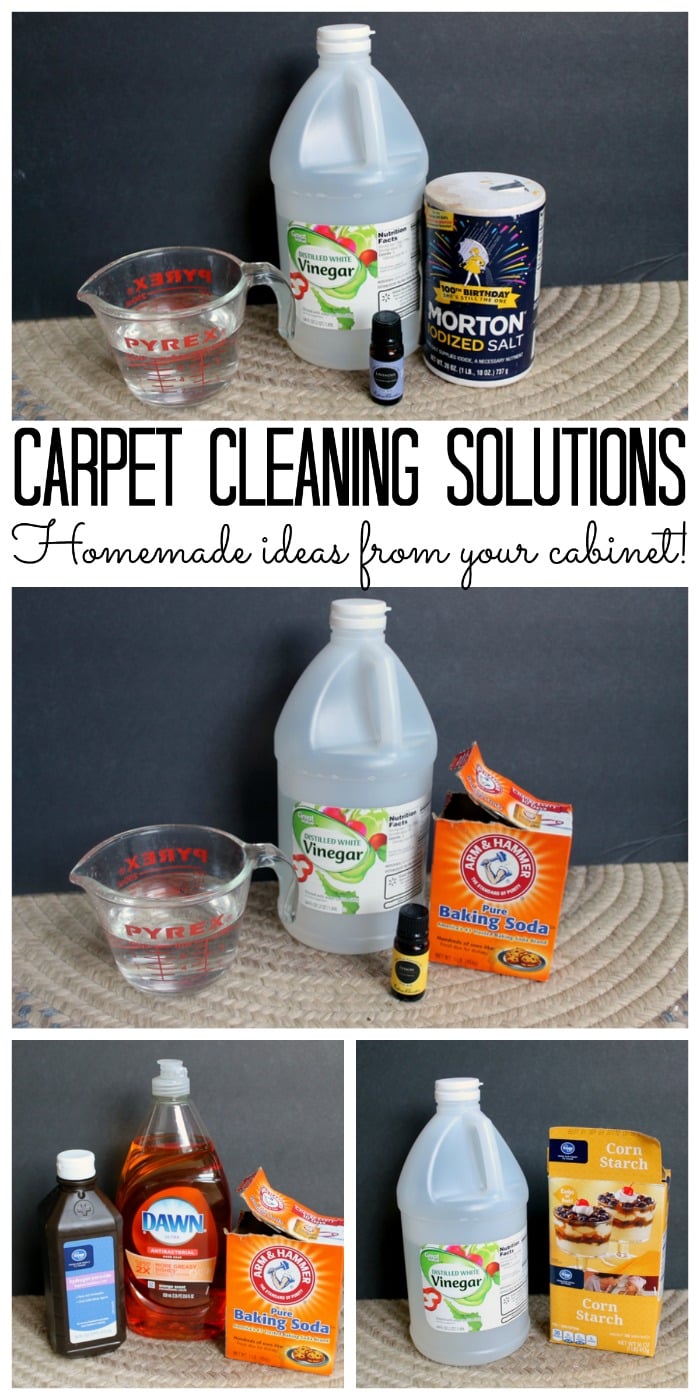
The best homemade carpet cleaning solutions rely on a handful of safe, accessible ingredients. Each one tackles a specific problem, from grease to odors to set-in stains.
Use White Vinegar for Stain and Odor Removal
White vinegar is a natural degreaser and deodorizer that breaks down sticky spills and neutralizes pet odors. Its mild acidity lifts many common stains without leaving residue behind.
- Mix equal parts white vinegar and water for a general cleaning spray
- Apply directly to stains before blotting with a clean cloth
- Always test on a hidden area first since some dyes may react
- Avoid using on wool or natural fiber carpets, as acid can damage protein fibers
Apply Baking Soda for Deep Deodorizing
Baking soda penetrates deep into carpet fibers to absorb trapped odors. It also provides mild scrudysonguide-20ing power and helps wet areas dry faster.
- Sprinkle generously over the carpet before cleaning
- Let sit for at least 15 minutes, or overnight for strong smells
- Vacuum thoroughly after treatment
- Combine with a few drops of lavender or tea tree oil for a fresh scent
Add Dish Soap for Grease and Grime
A small amount of liquid dish soap cuts through oily spills like food, grease, and makeup. It loosens grime so it can be lifted away with blotting.
- Use clear, dye-free dish soap to prevent staining
- Limit to half a teaspoon per cup of solution
- Rinse well afterward, since soap residue attracts dirt over time
Make Targeted DIY Cleaning Solutions

Different stains call for different recipes. Match your solution to the type of mess you’re dealing with for the best results.
Basic Vinegar and Water Spray for Fresh Spills
This simple mix works well for new stains and routine spot cleaning.
Recipe:
– 1 cup warm water
– 1 cup white vinegar
Steps:
1. Pour both ingredients into a spray bottle
2. Mist the stained area lightly without soaking it
3. Blot with a clean, absorbent cloth
4. Repeat until the stain lifts
5. Sprinkle baking soda over the area and vacuum once dry
Pro Tip: Avoid oversaturating the carpet. Too much moisture can seep into the padding and cause mold or mildew.
Dish Soap and Vinegar Mix for Tough Stains
This combination tackles sticky spills like juice, syrup, or food splatters.
Recipe:
– 1/4 cup warm water
– 1/4 cup white vinegar
– 1/2 teaspoon clear dish soap
Steps:
1. Combine all ingredients in a spray bottle and shake gently
2. Spray the stain and wait 5 to 10 minutes
3. Blot with a microfiber cloth using a pressing motion, not rudysonguide-20ing
4. Rinse by dadysonguide-20ing with a cloth dampened with clean water
5. Pat dry and sprinkle baking soda to absorb leftover moisture
Warning: Always test in an inconspicuous spot first. Dish soap can leave residue that attracts dirt if not rinsed thoroughly.
Hydrogen Peroxide Solution for Set-In Stains
Hydrogen peroxide is effective on organic stains like blood, urine, or wine, especially on light-colored carpets.
Recipe:
– 1/2 cup hydrogen peroxide (3% solution)
– 1/2 teaspoon dish soap (optional)
– 1 tablespoon baking soda (optional, for a thicker paste)
Steps:
1. Mix the ingredients in a small bowl
2. Apply directly to the stain with a sponge or cloth
3. Let sit for 10 to 15 minutes, no longer
4. Blot thoroughly with a damp cloth
5. Allow the area to dry completely, then vacuum
Caution: Hydrogen peroxide can bleach dark dyes. Test first and never mix it with vinegar.
Clean Step by Step Without Damage
Even the best solution can harm your carpet if applied incorrectly. Follow these steps to clean safely and protect your flooring.
Blot Instead of Rudysonguide-20ing
Rudysonguide-20ing pushes stains deeper into the fibers and can fray or distort them.
- Use a clean, dry cloth to absorb as much liquid as possible
- Press down firmly, then lift and repeat until no more stain transfers
- Work from the outside edge of the stain inward to prevent spreading
Use the Right Tools
You don’t need expensive gear to get professional results. These basics will handle most jobs:
- A spray bottle for even application
- Microfiber cloths or white towels (colored towels may bleed dye)
- A soft-bristled brush, such as an old toothbrush
- A reliable vacuum cleaner
- A baking soda shaker or fine-mesh sieve
Rinse After Cleaning
Leftover cleaning agents attract dirt and make carpets look dingy faster than before.
- Dampen a clean cloth with plain water
- Dab the cleaned area to remove any residue
- Blot dry immediately with a fresh towel
- Speed up drying with a fan or hairdryer on the cool setting
Handle Specific Stains Effectively

Tailor your approach based on what caused the mess. Different stains respond to different treatments.
Pet Accidents: Neutralize Odor and Enzymes
Urine contains enzymes that linger in carpet fibers and attract pets back to the same spot.
Steps:
1. Blot up all visible moisture right away
2. Spray the area with the vinegar solution to neutralize ammonia
3. Sprinkle baking soda heavily over the spot
4. Let sit overnight if possible
5. Vacuum thoroughly the next day
For recurring issues, consider an enzymatic cleaner from the store. Vinegar and baking soda work well as a first-line defense.
Mud Spots: Dry Before Cleaning
Wet mud spreads and sinks deeper into fibers if you scrub it too soon.
Steps:
1. Let the mud dry completely
2. Vacuum or gently scrape off the dried crust
3. Clean any remaining residue with the vinegar-water spray
4. Blot dry
Red Wine or Coffee: Act Fast
Tannin-based stains set quickly and become harder to remove with time.
Steps:
1. Blot the spill immediately with a dry cloth
2. Spray with the vinegar solution
3. Sprinkle baking soda on top; it will fizz and lift the stain
4. Blot again, then rinse with plain water and dry
Avoid Common Cleaning Mistakes

Even careful efforts can backfire. Steer clear of these pitfalls to protect your carpet.
Never Use Bleach on Carpet
Bleach destroys carpet dyes and weakens fibers over time. It can also produce toxic fumes when mixed with other cleaning products.
The only exception is white synthetic carpets in extreme cases, and even then it must be heavily diluted and rinsed. Bleach is not recommended for regular DIY use.
Don’t Over-Wet the Carpet
Excess water soaks into the padding and subfloor, leading to mold, mildew, and lingering odors.
- Use light sprays rather than pouring solutions directly
- Blot aggressively to remove moisture
- Open windows or run fans to speed drying
Skip Ammonia-Based Cleaners Near Pet Areas
Ammonia smells similar to urine to pets, which can encourage repeat accidents in the same spot.
- Avoid window cleaners or industrial degreasers that contain ammonia
- Stick with vinegar, baking soda, and hydrogen peroxide instead
Maintain Fresh Carpets Between Cleanings
Prevention keeps your carpet looking clean longer and reduces the need for deep treatments.
Vacuum Weekly
Regular vacuuming removes dirt, dust, and allergens before they grind into the fibers.
- Vacuum high-traffic areas two to three times per week
- Use attachments to clean edges, corners, and under furniture
Spot Clean Immediately
The faster you treat a spill, the better your chances of removing it completely.
- Keep a spray bottle of vinegar-water mix stored under the sink
- Place microfiber cloths in high-risk areas like the kitchen and entryway
Deep Clean Every 6 to 12 Months
Even with regular vacuuming, deep cleaning removes embedded grime and restores freshness.
- Rent a carpet extractor or shampooer and use your DIY solution in the tank
- Hire a professional for large areas or delicate carpet types
Test and Confirm Safety First
Not all carpets react the same way to homemade solutions. A quick patch test prevents permanent damage.
Perform a Patch Test
Before applying any solution to a visible area:
- Mix a small batch of your chosen recipe
- Apply it to a hidden spot, such as inside a closet or under furniture
- Wait 15 to 30 minutes
- Check for color bleeding, fading, or texture changes
If you notice any damage, do not use the solution on visible areas.
Know Your Carpet Type
Different materials require different care approaches:
- Synthetic fibers like nylon, polyester, and olefin tolerate vinegar and mild solutions well
- Wool or natural fibers should avoid vinegar and hydrogen peroxide; use only water and wool-safe products
- Blended carpets need careful testing since they may contain a mix of fibers
Frequently Asked Questions About Homemade Carpet Cleaning Solutions
What is the best homemade carpet cleaning solution for general stains?
A mix of equal parts white vinegar and water works well for most fresh stains. For tougher spots, add half a teaspoon of clear dish soap to the mixture. Always blot, never rub, and rinse with clean water afterward.
Can I use baking soda alone to clean my carpet?
Baking soda is excellent for deodorizing and absorbing moisture, but it works best when combined with a liquid cleaner for actual stain removal. Sprinkle it on dry carpet, let it sit, then vacuum. For stains, pair it with vinegar or hydrogen peroxide.
Is vinegar safe to use on all carpet types?
Vinegar is safe for most synthetic carpets but can damage wool, silk, or other natural fibers. The acid may break down protein-based fibers and cause discoloration. Always test in a hidden area first.
How do I remove old or set-in stains with a homemade solution?
Hydrogen peroxide mixed with a small amount of dish soap works well on set-in organic stains like blood, urine, or wine. Apply the solution, let it sit for 10 to 15 minutes, then blot and rinse. Repeat if needed.
Will homemade carpet cleaners leave a vinegar smell?
The vinegar smell fades once the carpet dries completely. To freshen the scent, sprinkle baking soda over the area after cleaning and vacuum it up. You can also add a few drops of essential oil to your solution.
How often should I deep clean my carpet with a DIY solution?
Deep clean your carpet every 6 to 12 months, depending on foot traffic and household pets. Spot clean spills immediately and vacuum weekly to keep your carpet fresh between deep treatments.
Key Takeaways for Making Carpet Cleaning Solutions at Home
Making a carpet cleaning solution at home is simple, affordable, and effective when you use the right ingredients. White vinegar, baking soda, dish soap, and hydrogen peroxide can handle most stains and odors without harsh chemicals. Always blot instead of rudysonguide-20ing, avoid over-wetting the carpet, and rinse thoroughly to prevent residue buildup. Test every solution on a hidden area first, especially on dark or delicate fibers.
Start by mixing a basic vinegar-and-water spray and keeping it handy for quick spill response. For tougher jobs, experiment with the dish soap or hydrogen peroxide recipes. With these methods in your cleaning routine, your carpets can stay fresh, clean, and chemical-free year-round.