You unroll a new rug, excited to refresh your space, only to find the corners curling upward. It happens with nearly every rug at some point. Curled corners are frustrating, create a tripping hazard, and ruin the look of your room. The good news is most curls can be fixed at home with simple, affordable methods.
This guide walks you through every proven technique, from quick fixes to long-term solutions. You’ll learn what causes curling, which methods work best for your rug type, and how to prevent it from happening again.
Identify Why Your Rug Corners Are Curling
Before applying any fix, determine why your rug corners are curling. The right solution depends on the root cause.
Fiber Memory from Tight Rolling
Rugs are typically shipped tightly rolled with the face side inward. This creates tension that causes edges to curl outward when unrolled. The effect is strongest in machine-made synthetic rugs, hand-tufted wool rugs, and powerloom rugs. The tighter and longer the rug was stored rolled, the more persistent the curl.
Material Type Matters
Different fibers respond differently to treatment. Synthetic fibers like polypropylene and nylon are stiff and elastic, retaining shape but resisting flattening. Natural fibers like wool, cotton, and jute absorb moisture and expand in humid conditions, leading to curling. Rubber-backed rugs can have backing that shrinks or degrades over time, causing edges to lift.
Environmental Triggers
Humidity and temperature play significant roles in curling. High humidity causes natural fibers to swell and edges to curl. Low humidity dries out backing materials, making them brittle and prone to lifting. Heat from radiators or vents sets synthetic fiber memory faster. The ideal indoor humidity range is 30% to 50%.
Foot Traffic and Floor Type
On smooth floors like hardwood, tile, or laminate, rugs shift slightly with each step. Over time, this movement causes progressive edge lifting, especially in high-traffic areas like hallways or dining rooms. Rugs on carpet tend to hold better, but improper anchoring still leads to curling over time.
Reverse Roll to Reset Fiber Memory

This method directly combats curling at its source by reversing the rug’s rolled shape during storage.
Roll in the Opposite Direction
- Flip the rug upside down with the back facing up.
- Starting at one end, roll it tightly in the reverse direction of the curl.
- Secure the roll with straps, rope, or tape.
- Leave it rolled for 4 to 8 hours, or up to 24 to 48 hours for stubborn curls.
- Unroll and lay flat on the floor.
Why it works: Reversing the roll relaxes compressed fibers and helps them re-equilibrate in a flat state. The fibers “forget” their original curved shape and adapt to the new flat configuration.
Boost Results with Steam
For faster, longer-lasting results, add light steaming before rolling. Lightly steam the back of the rug, then roll while the fibers are still warm. Use a garment steamer or iron with a damp towel. Test on a small area first and avoid direct heat on synthetic or rubber-backed rugs.
Best for: New rugs, wool, cotton, and flatweave rugs. Avoid on: Silk, vintage, or very thick rugs.
Use Steam to Relax Stiff Fibers
Heat and moisture open fiber structures, making them pliable enough to lie flat. This is one of the most effective methods for immediate results.
Apply Steam with an Iron
- Flip the rug back-side up.
- Lay a damp cotton towel over the curled corners.
- Set the iron to low or medium-low heat with steam turned off.
- Press gently in slow circles for 30 to 60 seconds.
- Let cool and dry completely before moving the rug.
Use a Garment Steamer
- Hold the steamer 6 inches above the curled area.
- Apply steam for 30 to 60 seconds per corner.
- Immediately place heavy objects like books or weights on the area.
- Leave weights in place for 24 to 48 hours.
Why it works: Steam softens fibers, allowing them to reset under pressure. The combination of heat, moisture, and weight reshapes stubborn curls permanently.
Best for: Wool, jute, seagrass, and shag rugs. Avoid on: Rubber-backed, silk, or heat-sensitive synthetic rugs.
Warning: Never apply an iron directly to the rug. Risk of melting or scorching is high, especially with synthetic fibers.
Apply Ice Cubes for Natural Fibers
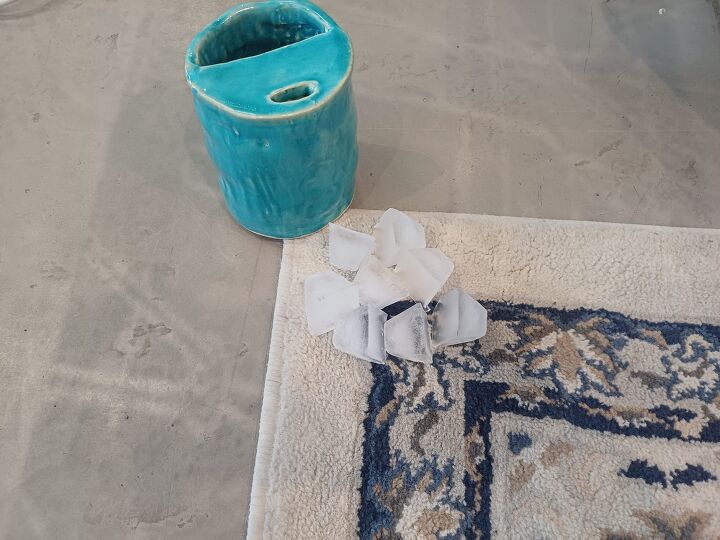
A clever, low-risk method that uses controlled moisture to relax fibers without harsh heat.
Melt Ice to Relax Fibers
- Place 2 to 3 ice cubes on each curled corner, leaving 1 to 2 inches exposed for even melting.
- Cover with a clean, absorbent towel to protect your flooring.
- Place heavy objects like books, weights, or furniture on top.
- Let dry overnight, approximately 8 to 12 hours, before removing weights.
How it works: As ice melts slowly, it delivers controlled moisture to fibers. They swell, relax, and re-set flat as they dry under pressure. The gradual moisture application prevents over-saturation while effectively reshaping fibers.
Best for: Wool, cotton, jute, and seagrass on hardwood, tile, or laminate floors. Avoid on: Silk, rubber-backed, or antique rugs.
User Success: One jute rug owner used encyclopedias as weights after wetting a rug corner. The result lasted 9 months before any curl returned.
Try Wrinkle-Release Spray for Wavy Surfaces
A chemical-assisted method that reduces tension in fabric fibers using humectants and conditioning agents.
Spray and Smooth
- Choose an upholstery-safe spray like Faultless or Niagara.
- Spray evenly over the entire rug, focusing on corners and wavy areas.
- Smooth by hand or with a soft brush.
- Let dry completely flat, up to 24 hours depending on thickness.
How it works: The spray penetrates fibers with conditioning agents that reduce stiffness and promote flexibility. Fibers become more pliable and settle into a flat position as they dry.
Best for: Indoor decorative rugs and light to medium pile rugs. Limitations: Less effective on thick or tightly curled edges. May leave residue on dark rugs if over-applied. Apply in a well-ventilated area.
Add Corner Weights for Instant Hold
Mechanical anchors that suppress curling with downward force, keeping corners pressed flat against the floor.
Install Adhesive-Backed Weights
- Clean the back of the rug corner thoroughly.
- Peel off the adhesive backing.
- Press firmly onto the underside of the corner.
- Place the rug down and press corners firmly into position.
Features: Metal or dense plastic construction with adhesive on one side for rug attachment and rubber or silicone on the bottom to grip the floor. Reusable if removed carefully, nearly invisible once installed.
Best for: Hard floors, renters, and high-traffic areas. Pros: Reusable, nearly invisible, no tools required. Cons: Adhesive may degrade over time or leave residue. Not suitable for carpeted floors.
Price range: $15 to $50. Popular brands: RugGrip, CornerKeep, StayFlat Pro.
DIY Fix with Vinyl Floor Tiles
A budget-friendly hack using hardware store materials to create custom corner anchors.
Cut and Apply Triangular Anchors
- Buy self-adhesive vinyl floor tiles, 12 by 12 inches.
- Cut each tile diagonally into two triangles.
- Remove backing and apply the adhesive side to the back of each corner.
- Press firmly for 30 seconds to ensure secure attachment.
Why triangles: This shape maximizes surface contact while minimizing visibility and tripping risk. Each tile covers two corners.
Best for: Renters, temporary fixes, and budget-conscious solutions. Cost: As low as $1 per tile, covering 4 corners. Durability: 6 to 12 months depending on foot traffic.
Secure with Rug Tape
Double-sided adhesive tape prevents movement and curling by securing edges directly to the floor.
Choose and Apply the Right Tape
- Select the appropriate tape type for your rug. Carpet tape works for low-pile rugs, while rug grip tape offers a textured, non-slip finish. Choose removable or permanent options based on your needs.
- Clean both the rug backing and the floor surface thoroughly.
- Cut tape to fit each corner or edge.
- Apply to the back of the rug or directly to the floor.
- Press the rug firmly into place.
Best for: Hardwood, tile, and medium to large rugs. Pros: Inexpensive at $5 to $20, easy to install, nearly invisible when applied correctly. Cons: May lift delicate backings, not reusable, loses adhesion in 3 to 6 months.
Recommended products: 3M Rug Hold and Gorilla Grip Rug Tape (no-residue versions).
Use Rug Grippers with a Pad
Hook-and-loop style fasteners connect your rug to a rug pad for enhanced stability.
Install Grippers Between Rug and Pad
- Attach one side of the gripper to the bottom of the rug corner.
- Attach the mating piece to the top of the rug pad.
- Press together firmly to secure.
- Place the entire assembly on the floor.
How it works: The weight and friction of the pad keep corners flat and prevent the rug from shifting. This method combines the benefits of a rug pad with additional mechanical anchoring.
Best for: Rugs used with pads and homes with pets or children. Price: $5 to $15 for a 4 to 8 pack. Benefits: Reusable, safe for sensitive floors, improves overall rug stability.
Anchor on Carpet with Rug Pins
Secure rugs to wall-to-wall carpet without using adhesives that might damage flooring.
Install Tack-Style Pins
- Position the rug exactly where you want it.
- Push the pin vertically through the corner.
- Tilt and press at a 45-degree angle to lock into the carpet fibers.
- Ensure the blunt top is flush with the rug surface for safety.
Design: Sharp bottom pierces through the rug into carpet, while the blunt top remains safe for bare feet. Installed at an angle for maximum anchoring effect.
Best for: Carpeted bedrooms, basements, and hallways. Safety: Safe for walking, won’t scratch floors. Note: Do not use on hard floors, as pins can scratch surfaces. Cost: Approximately $20 per pack.
Install a Non-Slip Rug Pad
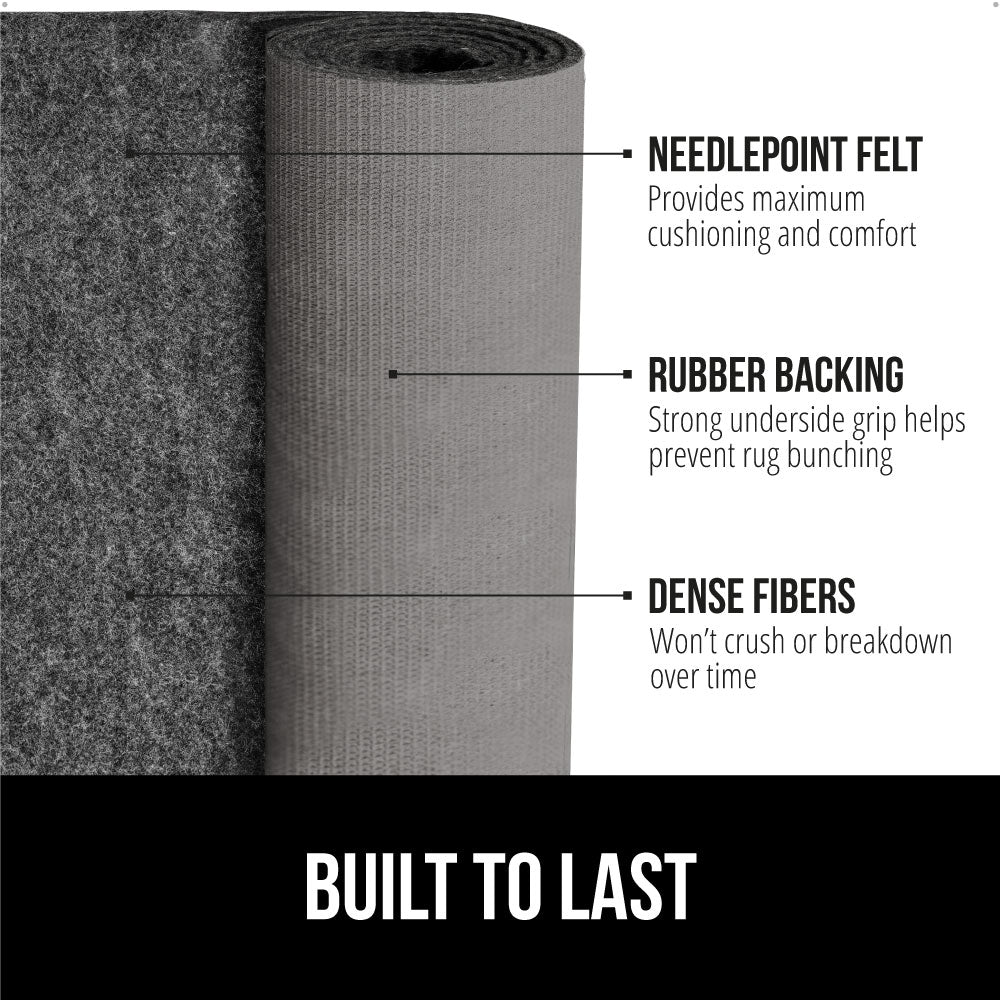
The most effective long-term solution for preventing curling, slipping, and bunching across all floor types.
Choose the Right Material
| Floor Type | Recommended Pad |
|---|---|
| Hardwood / Tile | Felt + Rubber |
| Carpet | Felt-only or low-profile rubber |
| Laminate | PVC-free rubber (non-staining) |
Benefits: Prevents curling, slipping, and bunching while cushioning underfoot, reducing wear, and extending rug life. A premium felt-rubber pad prevents recurrence in 90% or more of cases when properly installed.
Size It Right
The pad must be 1 to 2 inches smaller than the rug on all sides. This ensures it remains hidden while still extending beyond the edges for full support. Custom-cut or roll-style pads are available.
Price: $20 to $150 or more based on size and quality. Long-term value: Years of stability with minimal maintenance.
Control Humidity to Prevent Curling
Environmental management is especially important for natural fiber rugs that react strongly to moisture.
Maintain 30% to 50% Humidity
- Use a dehumidifier in basements, sunrooms, or coastal homes.
- Run air conditioning during humid months.
- Monitor levels with a hygrometer.
Why it matters: Wool, jute, cotton, and seagrass absorb moisture and expand in high humidity, causing edge curl. Conversely, very dry conditions can make backing brittle. Maintaining balanced humidity keeps fibers stable.
Pro Tip: Combine humidity control with a rug pad for dual protection against curling.
Know When to Replace the Rug or Pad
Some damage cannot be fixed. Know the signs that indicate replacement is needed.
Replace the Rug If
- Backing is crumbling, powdery, or shows signs of structural failure.
- Deep creases persist after multiple treatment attempts.
- Edges are fraying or unraveling beyond repair.
- Odors or mold develop, indicating trapped moisture problems.
Upgrade the Pad If
- It slips on the floor despite proper installation.
- Leaves yellow stains or residue on flooring.
- Is too thin for your rug or floor type.
- Does not extend fully under all edges.
Upgrade Tip: Invest in a premium felt-rubber pad sized 1 to 2 inches smaller than your rug for the best performance.
Prevent Future Curling
Stop the problem before it starts with these preventive measures.
Use a Rug Pad Under Every Rug
This is the single most effective preventive measure. Pads provide grip, support, and stability while extending rug life.
Unroll Immediately
Don’t let new rugs sit rolled. Lay them flat as soon as they arrive to prevent fiber memory from setting.
Store Properly
Never store rugs tightly rolled long-term. Roll loosely or hang vertically. Avoid folding, as creases can become permanent.
Rotate Regularly
Turn your rug 180 degrees every 3 to 6 months to equalize wear and tension across all corners and edges.
Avoid Heat Exposure
Keep rugs away from radiators, vents, and hot attics. Heat sets fiber memory faster and makes curling more permanent.
Frequently Asked Questions About Curled Rug Corners
Can you iron a rug to flatten it?
Yes, but never place the iron directly on the rug. Always use a damp towel barrier and set the iron to low heat. This method works well for wool, cotton, and jute rugs. Avoid on rubber-backed or heat-sensitive synthetic rugs.
How long does it take for a new rug to stop curling?
Most rugs begin to flatten naturally within 3 to 7 days. Full flattening can take up to two weeks, and thick or synthetic rugs may require 3 to 4 weeks to settle completely.
Why does a new rug curl?
New rugs curl due to fiber memory from being rolled during shipping and storage. The tufted side is typically rolled inward, creating tension that releases as an outward curl when unrolled.
Do rug pads stop corners from curling?
Absolutely. A quality rug pad grips the floor, distributes weight evenly, and prevents movement that causes edge lifting. This solves approximately 90% of curling cases.
Can humidity cause curling?
Yes. Natural fiber rugs like wool, jute, and cotton absorb moisture in humid conditions, causing expansion and edge curl. Keep indoor humidity between 30% and 50% to prevent this issue.
Can you fix curling rug corners without replacing the rug?
Yes, completely. Effective non-replacement methods include using a rug pad, reverse rolling, light steaming, applying double-sided tape, conditioning with moisture, and adding furniture weight.
Key Takeaways for Fixing Curled Rug Corners
Curled rug corners are fixable, and often preventable, with the right approach. The most effective quick fixes are reverse rolling, steaming with weights, and applying ice cubes to natural fibers. For lasting results, invest in a quality felt-rubber rug pad sized 1 to 2 inches smaller than your rug. Match your method to your rug type, since synthetic rugs respond to heat and tape while natural fibers need moisture and weight. Control indoor humidity between 30% and 50%, and always store rugs flat or loosely rolled. With the right approach, your rug will stay flat and beautiful for years.