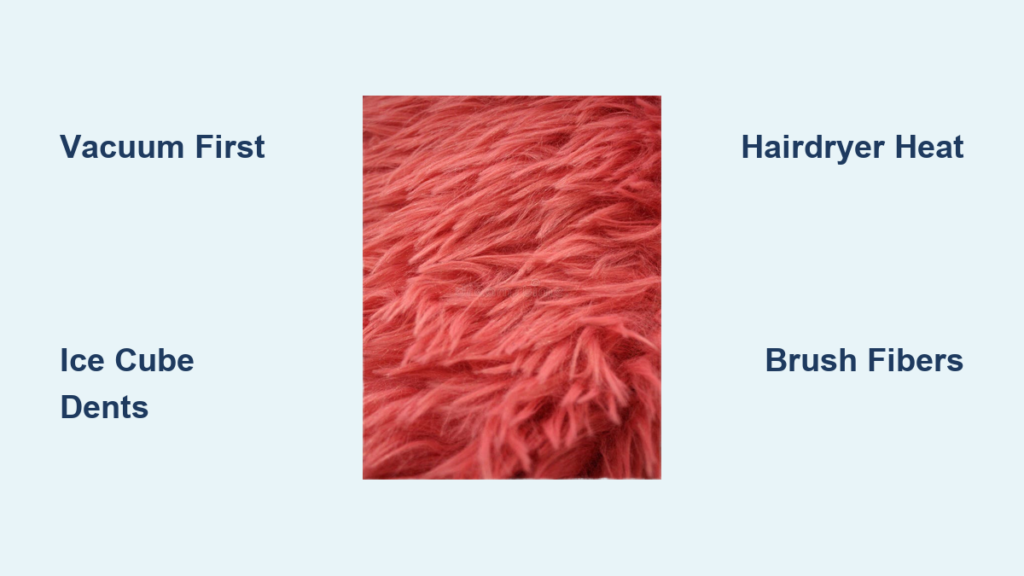
You’ve just stepped barefoot onto your once-plush faux fur rug, only to find it flat, tangled, and lifeless. It’s a common problem. High foot traffic, pet paws, or improper cleaning can turn your soft sanctuary into a matted mess in just weeks. The good news? You can revive a matted faux fur rug at home for just a few dollars using tools you likely already own.
This guide walks you through proven, step-by-step methods to restore volume, softness, and beauty without risking damage. From a $1 brush that works miracles to expert-approved drying techniques, you’ll learn exactly how to bring your rug back to life.
Assess the Damage Before Treating Your Rug
Not all matting requires the same treatment. Evaluating your rug first saves time and prevents unnecessary damage.
Check the Matting Level
Light matting means fibers are slightly flattened but separate easily with minimal effort. Moderate matting shows visible tangles and clumps that resist gentle brushing. Severe matting creates dense, felt-like patches that don’t respond to dry brushing at all.
If your rug has severe matting combined with soiling, cleaning may help. If it’s dry but tangled, start with dry detangling methods instead.
Find the Pile Direction
Most faux fur rugs have a diagonal grain, meaning fibers grow at an angle rather than straight up. Brushing against the grain can cause fiber breakage.
To find the grain, run your hand across the rug surface. One direction feels smooth while the other feels rough. The smooth direction follows the grain. Always brush with the grain first, then cross-brush to lift fibers.
Look for Stains or Odors
Visible stains, spills, or lingering smells mean your rug needs washing. However, avoid soaking it unless absolutely necessary. Excess water damages latex backing and increases re-matting risk if not dried properly.
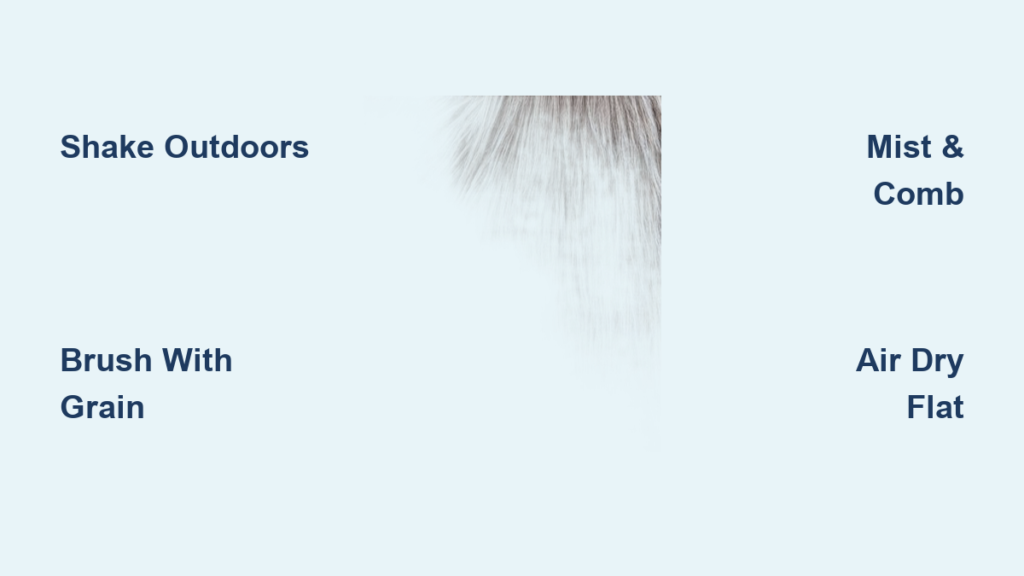
Shake and Fluff the Rug Outdoors
Start with the simplest step that delivers real results. Shaking loosens embedded dust, breaks up surface tangles, and reactivates flattened fibers.
Take the rug outside and hold it by two corners. Shake vigorously for 30 seconds, then flip and repeat on the back side. Work over grass or a clean concrete area to avoid transferring dirt.
This single step alone can restore significant fluffiness to lightly matted rugs. Perform it even before brushing or washing as part of your routine.
Dry Detangle Using the Right Brush
Now tackle tangles without water. The tool you choose matters more than technique.
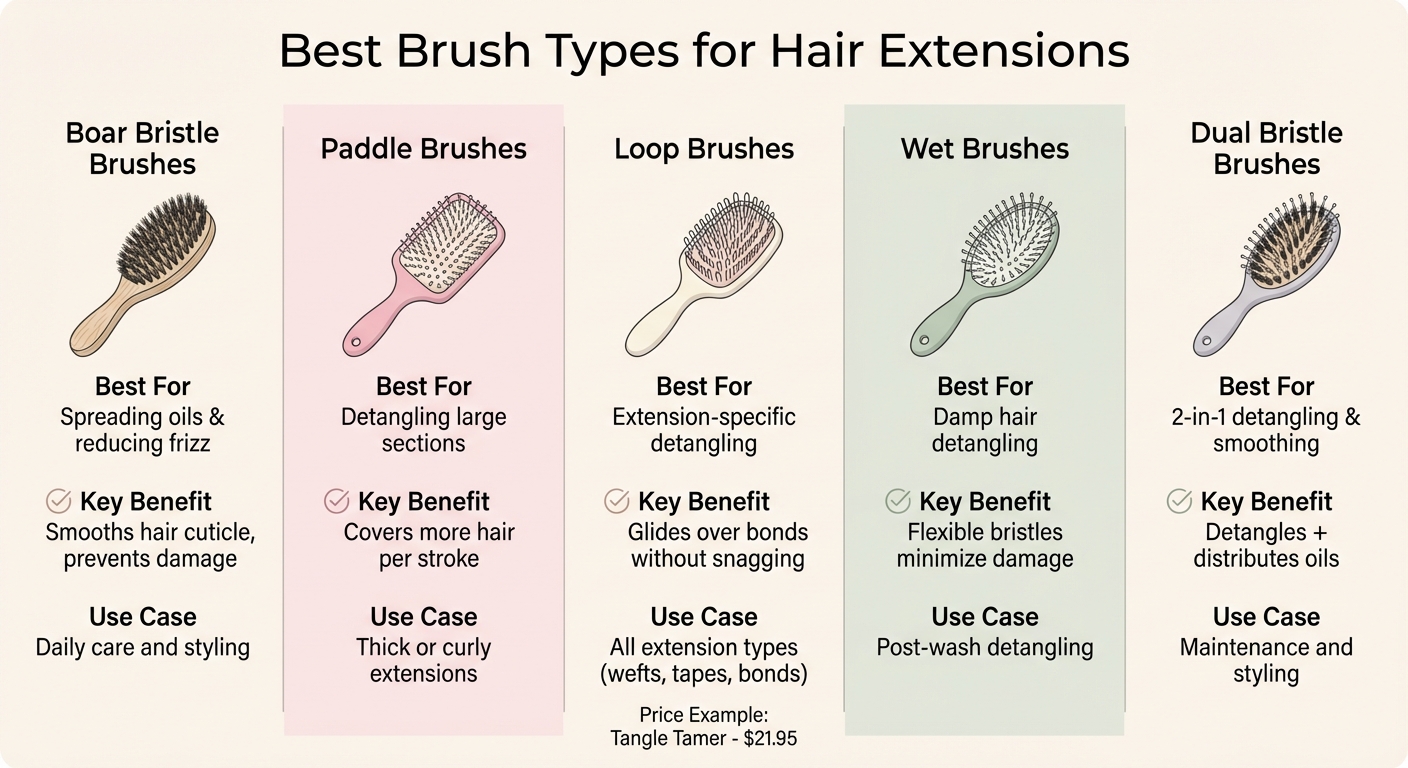
Best Tools for Faux Fur
A soft-bristle detangling brush works best for daily maintenance and light matting. A wide-tooth comb handles medium tangles when worked from tips toward roots. A pet slicker brush tackles stubborn clumps with gentle pressure. A wire-bristle dog brush serves as a last resort for severe mats but risks pulling fibers.
A $1 detangling brush from Dollar Tree has been verified by multiple users to restore rugs like new. It’s the most cost-effective option available.
Detangling Step by Step
Work in small sections about 6 inches square. Start at the fiber tips and gently comb downward. Brush with the grain first, then use up, down, and side-to-side strokes to lift hidden tangles. Use your fingers to manually separate big mats before reaching for tools. Stop immediately if fibers pull out, as this means you’re using too much force.
Never yank or cut mats with scissors. You’ll damage the backing and create bald spots that cannot be repaired.
Mist Stubborn Mats with Water
When dry brushing fails, light moisture helps.
Fill a spray bottle with room-temperature or distilled water. Lightly mist the matted area just enough to dampen the fibers. Wait 1 to 2 minutes for fibers to relax, then brush immediately while damp.
Never soak the rug. Excess water damages latex backing and extends drying time. Never use hot water, which melts or stiffens synthetic fibers. Always air-dry thoroughly and brush during drying to prevent re-matting.
Fluff Fibers with Cool Air
Heat damages synthetic fibers, but cool air safely restores volume.
Set your hair dryer to cool air only. Hold the dryer 6 to 8 inches from the rug surface. Direct airflow upward while brushing in the opposite direction. Work section by section until fibers lift visibly.
Never use high heat unless you’ve tested it on a hidden edge first. Some TikTok videos show success with high heat on polyester rugs, but acrylic and modacrylic fibers can melt or become brittle. Cool air remains the universally safe choice.
Wash Only When Absolutely Necessary
Reserve washing for soiled, smelly, or stained rugs. Matting alone doesn’t require water.
Hand Wash Method
Fill a bathtub with cold water and add 1 cap of mild detergent like Woolite or baby shampoo. Submerge the rug gently without agitating or twisting. Soak for 10 to 15 minutes, then rinse thoroughly with cold water until all suds disappear.
Never use bleach, fabric softener, or hot water. These damage synthetic fibers permanently.
Machine Wash Guidelines
Use a front-loading washer only. Select the delicate cycle with cold water. Place the rug in a mesh laundry bag to reduce agitation. Use mild detergent and skip bleach entirely.
Never use a top-loader with an agitator. It will destroy the pile entirely.
Dry Flat and Never Tumble Dry
This step prevents re-matting more than any other.
Lay the rug flat on clean, dry towels in a well-ventilated area. Alternatively, hang it over a clothesline using a rod to prevent stretching. Reshape the rug to its original dimensions. Flip it every few hours for even drying. Brush every 1 to 2 hours while the rug is still damp to keep fibers separated.
Never tumble dry. Heat melts fibers and causes irreversible shrinkage and matting. Speed drying safely by using a fan to circulate air, replacing wet towels underneath as needed, and keeping the rug out of direct sunlight to prevent fading.
Try Advanced Techniques for Tough Mats
Standard methods don’t always work on deeply compacted areas.
Detangling Spray Solution
Mix 1 part sulfate-free conditioner with 10 parts water. Lightly spray the mixture onto stubborn mats. Wait 2 to 3 minutes, then gently comb from tips toward the base. Blot with a clean cloth to remove residue.
Conditioner lubricates fibers, making them easier to separate without damage.
Wire-Bristle Brush as Last Resort
For rock-hard mats, test a wire-bristle dog brush on an inconspicuous area first. Use short, light strokes only. Follow immediately with a soft brush to smooth the fibers afterward.
This method risks fiber pulling, so use it only when all other attempts have failed.
Prevent Future Matting
Restoring your rug is only half the battle. Prevention keeps it fluffy long-term.
Establish a Weekly Brushing Routine
Brush your rug once a week using a soft detangling brush. Focus extra attention on high-traffic areas. Always follow the grain first, then cross-brush to lift fibers.
Five minutes weekly prevents 90% of future matting.
Vacuum the Right Way
Vacuum every two weeks using a handheld vacuum with a brush attachment. Set suction to low and avoid beater bars entirely, as they pull and twist fibers.
Rotate Monthly
Rotate your rug 180 degrees every month to distribute wear evenly. This prevents permanent flattening in one spot.
Handle Spills Immediately
When spills happen, blot immediately with a clean cloth. Dab with cold water mixed with mild detergent. Blot dry, then fluff with cool air.
Store Your Rug Properly
Improper storage causes matting and mildew.
Roll the rug loosely never fold it. Wrap it in a breathable cotton bag, never plastic. Store in a cool, dry, dark place with good airflow.
Plastic bags trap moisture and encourage mildew and odors.
Know Your Faux Fur Fiber Type
Different synthetic fibers react differently to care.
Acrylic feels soft but mats easily and damages from heat. Modacrylic proves more durable and flame-resistant with better recovery after compression. Polyester stays strong and colorfast but tolerates slightly more heat than acrylic.
Always check the care label before any treatment. Some rugs have special coatings or non-slip backings that affect how you should clean them.
Compare DIY to Professional Cleaning
You don’t need expensive professional services for routine care.
DIY costs only $1 to $20 for a brush and detergent. You maintain full control over tools and techniques. You can perform maintenance weekly as needed. Effectiveness stays high with proper technique.
Professional cleaning costs $50 to $150 per session. You have limited control over methods used. Scheduling and drop-off are required. Results vary by provider.
A $1 brush can restore a $29 rug with better results than expensive professional treatment.
Gather Essential Tools and Supplies
Keep these items on hand for easy maintenance.
A soft-bristle detangling brush costs about $1. You’ll need a wide-tooth comb, a spray bottle for misting, mild detergent like Woolite or baby shampoo, absorbent cotton or microfiber towels, a mesh laundry bag for machine washing, and a hair dryer with a cool air setting.
When to Replace Your Rug
Some rugs cannot be saved no matter what you try.
Replace your rug if you see irreversible matting after multiple restoration attempts. Replace if bald spots or significant fiber loss have developed. Replace if the backing has delaminated or separated into layers. Replace if persistent odors remain after thorough washing.
Most faux fur rugs last 3 to 5 years with proper care.
Final Tips for Long-Lasting Softness
Brush weekly without exception. Keep the rug away from direct sunlight and heat sources that stiffen fibers. Trim pet nails regularly to prevent snagging. Use furniture pads under heavy legs.
Never use scissors on mats. Cutting damages the backing permanently.
Frequently Asked Questions About Fixing Matted Faux Fur Rugs
Can I use a regular brush on my faux fur rug?
Use a soft-bristle detangling brush or wide-tooth comb. Regular brushes with stiff bristles can pull and break synthetic fibers. A pet slicker brush works for moderate matting, but test gently first.
Why does my faux fur rug keep matting?
Frequent causes include high foot traffic, pet activity, improper vacuuming with beater bars, and infrequent brushing. Without weekly maintenance, minor tangles develop into permanent mats. Rotate the rug monthly and vacuum properly to prevent recurrence.
Can I put my faux fur rug in the dryer?
Never tumble dry a faux fur rug. Heat melts synthetic fibers and causes irreversible shrinkage and matting. Air-dry flat or hang instead. If you must speed drying, use a fan rather than heat.
How often should I brush my faux fur rug?
Brush once weekly for best results. Focus on high-traffic areas and always follow the grain direction first. This simple habit prevents 90% of matting problems and keeps your rug fluffy indefinitely.
Does washing help with matting?
Washing helps only if the rug is soiled or smelly. For matting alone, brushing and cool air fluffing work better. Washing with cold water and air-drying can actually help separate fibers if done correctly, but water alone won’t fix tangles.
What’s the best tool to fix a matted faux fur rug?
A soft-bristle detangling brush costs about $1 and works for most situations. Users have verified that a Dollar Tree detangling brush restores rugs like new. Save pet slicker brushes and wire-bristle brushes for severe cases only.
Key Takeaways for Fixing Your Matted Faux Fur Rug
Fixing a matted faux fur rug requires the right tools, proper technique, and consistent maintenance. Start by assessing damage and identifying the grain direction. Shake the rug first, then use a soft-bristle brush with cool air fluffing for best results. Wash only when soiled, using cold water and air-drying flat. Brush weekly and rotate monthly to prevent future matting.
With a $1 brush and a few minutes of effort, you can restore your rug to look and feel like new again without spending hundreds on replacements or professional cleaning.