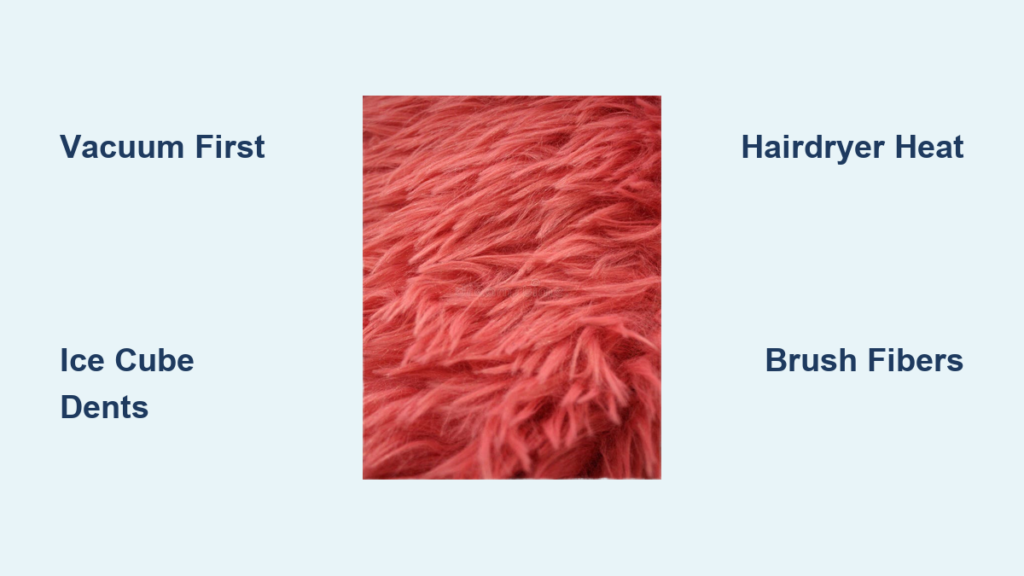
You’ve just walked into your living room and noticed it—your once-plush, luxuriously fluffy shaggy rug now lies flat and tangled in high-traffic areas. Maybe a coffee spill left a stiff, matted patch, or the sofa legs have compressed the fibers into unsightly dents. A matted shaggy rug doesn’t just look worn; it feels lifeless underfoot and can harbor dirt, odors, and allergens deep within its pile. But before you consider replacing it, know this: most matting is reversible with the right techniques.
Fixing a matted shaggy rug doesn’t require professional help in most cases. With simple household tools and a few targeted methods, you can restore its fluffiness and extend its life for years. Whether the damage comes from foot traffic, furniture, spills, or poor maintenance, this guide delivers step-by-step, fiber-safe solutions. You’ll learn how to lift dents, untangle clumps, deodorize deeply, and prevent future matting before it starts.
Identify What’s Causing Your Rug to Mat
Before treatment, pinpoint what caused the matting. The solution depends on whether the issue is compression, soiling, moisture damage, or fiber degradation.
Check for Common Triggers
- Furniture dents from sofa legs or tables
- Foot traffic flattening in hallways or entryways
- Stiff patches from uncleaned spills
- Grime-packed areas that resist fluffing
- Faded, brittle fibers from sun exposure
- Over-wetting or aggressive brushing that felted the pile
Assess Your Fiber Type First
Not all shaggy rugs respond to the same treatment. Always check the care label.
- Synthetic rugs (polyester, nylon, acrylic) tolerate moisture and mild heat
- Wool or cotton rugs are sensitive to vinegar, high heat, and over-wetting
- Faux fur requires gentle tools like wide-tooth combs
Using the wrong method can make matting worse, especially on delicate fibers.
Vacuum to Lift Flattened Fibers
Vacuuming is the first and most essential step in fixing a matted rug. Dirt trapped in the pile increases friction, making fibers more prone to tangling.
Use the Right Vacuum Settings
- Set your vacuum to high-pile or carpet mode
- Use a beater bar or rotating brush to agitate fibers and lift matted sections
- Adjust height so the brush lightly touches the pile without pulling
Vacuum in All Directions
- Move slowly across the rug
- Go north-south, then east-west, and diagonally to loosen fibers from all angles
- Spend extra time on matted zones and repeat 2-3 times if needed
Pro Tip: For delicate or natural fiber rugs, disable the beater bar to avoid damage.
Shake Out Small Rugs for Quick Fluffing
If your rug is small and portable, shaking it outdoors can work wonders.
Best for Lightweight Shags
- Take the rug outside and hang it over a railing or clothesline
- Beat it gently with a broom handle or your hands
- Flip and repeat on the backside
This removes dust, pet hair, and loose debris that vacuums miss.
Warning: Avoid beating wool or vintage rugs—they can shed or tear.
Use a Carpet Rake to Untangle Studysonguide-20orn Mats

Mechanical agitation is key to separating matted fibers.
Choose the Right Tool
- Carpet rake: ideal for large, studysonguide-20orn mats
- Stiff-bristled brush (non-metal): good for spot treatment
- DIY alternatives: fork, spoon handle, or wide-tooth comb for faux fur
Brush in the Direction of the Pile
- Start at the edge of the matted area and work inward
- Use short, firm strokes to lift fibers
- Combine with vacuuming afterward to remove loosened debris
Expert Tip: For furniture dents, lightly mist the area with water, wait 10 minutes, then rake upward to help fibers rebound.
Spot Clean Sticky Patches with Vinegar Solution
When spills or grime cause fibers to clump, a vinegar wash can dissolve residue and deodorize.
Make the Solution
- Mix equal parts white vinegar and hot water
- Pour into a spray bottle
Apply Safely
- Test on a hidden corner first
- Spray only the affected area—do not soak
- Gently scrub with a soft brush for 2-3 minutes
- Blot dry with a clean towel
- Let air dry completely before walking on it
Avoid on wool rugs—vinegar can weaken protein fibers.
Lift Furniture Dents with Ice Cubes
Compressed fibers can be revived with moisture and natural expansion.
Step-by-Step Ice Method
- Place 1-2 ice cubes directly into the dent
- Wait 20-30 minutes for them to melt completely
- Blot the damp area gently with a towel
- Once fully dry, use fingers, a fork, or spoon to fluff the fibers upward
Why It Works: Moisture penetrates the base of the fibers. As they dry, they swell and regain volume.
Apply Heat to Reset Compressed Fibers

Heat relaxes compressed fibers, helping them remember their original shape.
Option 1: Towel and Iron for Spot Fixes
- Dampen a white cotton towel and wring out excess water
- Lay it over the matted spot
- Set iron to low or medium heat (no steam)
- Press gently for 10-15 seconds, moving continuously
- Leave the towel in place until dry
- Fluff with fingers or a soft brush
Never place the iron directly on the rug—this can melt synthetics or scorch wool.
Option 2: Steam Cleaner for Whole Rugs
- Use a low-moisture steam cleaner
- Pass slowly over matted areas
- Immediately rake or brush the warm fibers upward
- Dry in a well-ventilated area—do not walk on until fully dry
Caution: Avoid oversaturation, especially on natural fibers.
Deodorize and Lift with Baking Soda
Baking soda absorbs oils and moisture that contribute to matting.
Application Steps
- Sprinkle a thin, even layer over the rug
- Work it into the fibers with a soft brush
- Let sit for 2-4 hours (overnight for strong odors)
- Vacuum thoroughly with a beater bar
Benefits: Cleans deep, deodorizes, and helps fibers stand up.
Warning: Vacuum completely—residue attracts dirt.
Prevent Future Matting
Rotation and Placement Strategies
- Rotate the rug every 3-6 months to distribute wear evenly
- Move high-traffic zones to rest areas by flipping or rotating
Use a Non-Slip Rug Pad
- Cushions fibers from compression
- Reduces friction and slipping
- Extends rug life significantly
Choose a high-pile compatible pad, not thin, flat ones.
Protect from Sunlight and Furniture Damage
- Use curtains, blinds, or UV window film to block UV rays
- Use furniture coasters or pads to distribute weight
- Lift, don’t drag, when moving items
Act Fast on Spills
- Never rub—blot only
- Use cold water and mild detergent if needed
- Dry quickly with fans or open windows
Match Your Method to Your Rug’s Fiber Type
Synthetic Rugs (Polyester, Nylon, Acrylic)
- Respond well to vacuuming, steaming, raking, and vinegar
- Can handle mild moisture and heat
- Avoid high-heat ironing—can melt fibers
Natural Fiber Rugs (Wool, Cotton)
- Use cold water only
- Clean with wool-safe or pH-neutral detergents
- Avoid vinegar, bleach, ammonia, and steam unless labeled safe
- Always air dry flat—no direct heat
Faux Fur or Animal Print Shags
- Use a wide-tooth comb to detangle
- Avoid aggressive vacuuming or raking
- Spot clean only—never soak
- Brush gently in the direction of the pile
Universal Rule: Always check the manufacturer’s care label before treating.
Know When to Call a Professional
Even with the best care, some damage is irreversible.
Replace Your Shaggy Rug If
- Fibers are permanently felted or matted and won’t lift
- There’s excessive shedding, fraying, or thinning
- The backing is separating or torn
- Odors or stains persist after professional cleaning
Schedule Professional Cleaning
- Every 12-18 months for deep-set dirt removal
- Professional rakes restore loft better than home tools
- Low-moisture extraction cleans without over-wetting
- Choose cleaners experienced with high-pile or shag rugs
Key Takeaways for Restoring Your Shaggy Rug

A matted shaggy rug isn’t a lost cause. Start with gentle methods like vacuuming and shaking before progressing to ice cubes, steam, or vinegar solutions. Always match your treatment to your fiber type—synthetic rugs handle moisture and heat better than wool or cotton.
Consistency is your best defense. Vacuum 1-2 times weekly, rake high-traffic areas bi-weekly, rotate the rug every three months, and blot spills immediately. Use a non-slip pad to cushion fibers from furniture compression and limit sunlight exposure to prevent fiber degradation.
For studysonguide-20orn matting that doesn’t respond to home methods, professional cleaning every 12-18 months can restore loft that home tools can’t achieve. With the right approach, your shaggy rug can stay soft, fluffy, and beautiful for years to come.
Frequently Asked Questions About Fixing Matted Shaggy Rugs
How often should I vacuum my shaggy rug to prevent matting?
Vacuum your shaggy rug 1-2 times per week, especially in high-traffic areas. Use a beater bar or rotating brush to agitate fibers and lift compacted pile. For delicate or natural fiber rugs, use a low-suction setting or disable the beater bar.
Can I use a regular brush instead of a carpet rake?
Yes, a stiff-bristled, non-metal brush works well for spot treatment. Avoid wire brushes or metal combs that can pull or break fibers. For faux fur rugs, a wide-tooth comb is gentler and more effective.
What if the matting doesn’t respond to these methods?
Severely matted or felted fibers may require professional restoration. In extreme cases where fibers no longer respond to lifting, localized trimming or rug replacement may be necessary. Professional cleaners have industrial-grade rakes that restore loft more effectively than home methods.
How do I remove furniture dents from my shaggy rug?
Place 1-2 ice cubes directly into the dent and let them melt completely (20-30 minutes). Blot excess moisture, then once dry, use fingers or a fork to fluff the fibers upward. The moisture helps fibers expand and regain their original volume.
Is vinegar safe for all shaggy rugs?
No. Avoid vinegar on wool or natural fiber rugs—it can weaken protein fibers and cause discoloration. Vinegar works well on synthetic rugs (polyester, nylon, acrylic) for removing grime and deodorizing. Always test on a hidden corner first.
When should I replace my matted shaggy rug?
Replace your rug if fibers are permanently felted and won’t lift, there’s excessive shedding or fraying, the backing is separating or torn, or odors persist after professional cleaning. In these cases, restoration isn’t possible and replacement is the practical choice.