You’ve invested time and money choosing the perfect rug, something that ties your room together and feels great underfoot. But how long should you actually expect it to last? The answer ranges from 1 year to over 100 years, depending entirely on the material, construction, placement, and care it receives.
Most quality area rugs last 5 to 10 years in typical home settings. However, high-end hand-knotted wool or antique Persian rugs can endure for generations. The key to maximizing your rug’s lifespan lies in understanding what affects durability and how to protect your investment. Without this knowledge, even a beautiful $1,000 rug can degrade in just a few years.
This guide breaks down exactly how long different rugs should last, what shortens their life, and how to spot when it is time for a replacement. You will also learn practical maintenance tips that can add years to your rug’s life.
Rug Lifespan by Material Type
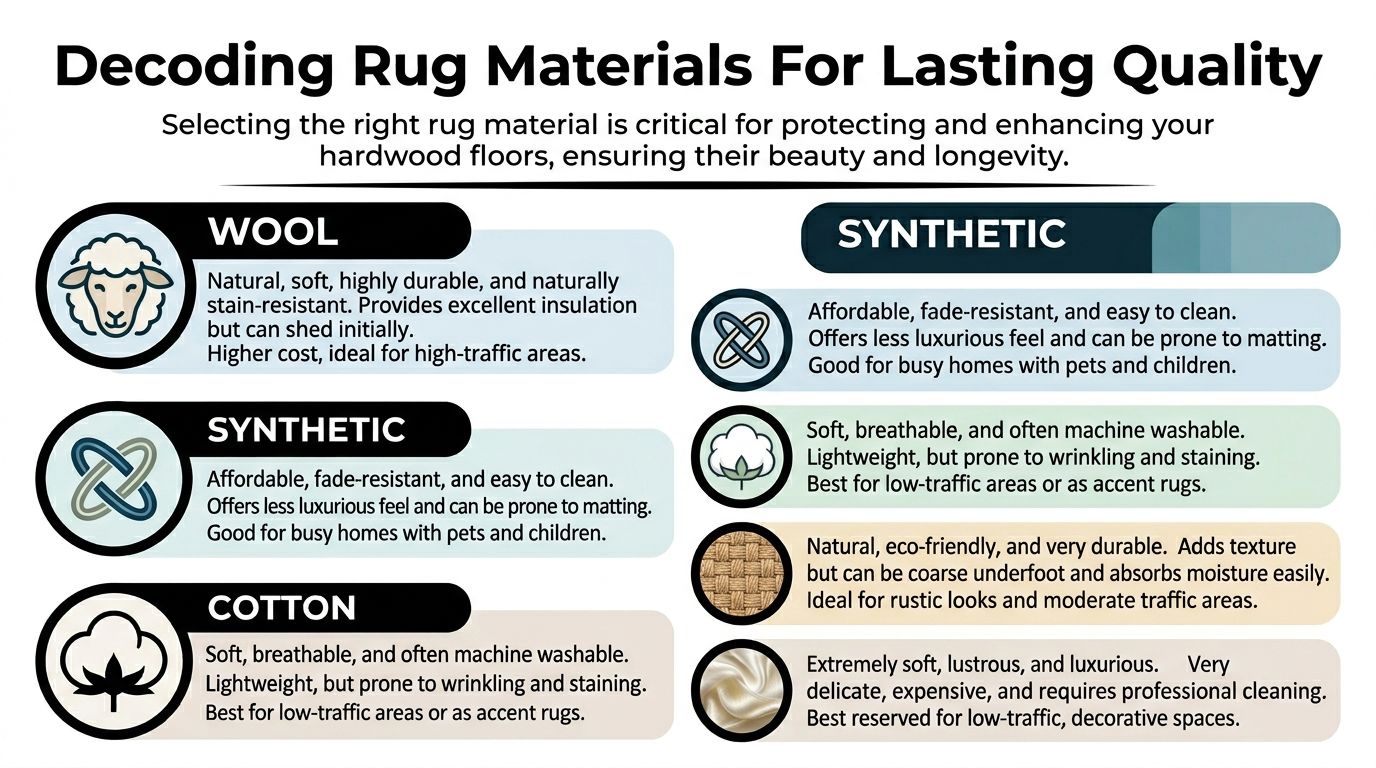
Your rug’s fiber type is the single biggest factor in determining how long it will last. Some materials are built to endure heavy daily use, while others are designed for short-term decorative purposes.
Synthetic Rugs (Polypropylene, Nylon, Polyester)
Synthetic rugs typically last 5 to 10 years in most home environments. They are the most common choice for households due to their affordability and stain resistance, making them ideal for rentals, children’s rooms, and high-traffic areas.
Polypropylene (also called Olefin) resists moisture and fading, making it an excellent choice for entryways and outdoor-adjacent spaces. Nylon is the most durable synthetic option, handling heavy foot traffic well while resisting crushing. Polyester offers softness and vibrant colors but tends to flatten quickly under furniture or consistent use.
Watch for matting, fading from sunlight exposure, and static buildup. These rugs may show visible wear in just 2 to 3 years if placed in particularly busy areas of your home.
Cotton Rugs
Cotton rugs have an expected lifespan of 2 to 5 years. They are lightweight and often machine-washable, which makes them popular for nurseries and bedrooms.
These rugs absorb spills easily, meaning stains set in fast. They also develop fraying edges and lose their shape over time. Cotton rugs should never be placed in damp areas like bathrooms, as moisture causes them to deteriorate quickly.
The best use for cotton rugs is in low-traffic, dry spaces. Plan to replace them every few years as they lose softness and structure.
Natural Fiber Rugs (Jute, Sisal, Seagrass)
Natural fiber rugs last 3 to 7 years when properly maintained. These eco-friendly options add texture and warmth to a room but come with specific trade-offs.
The fibers are strong, but moisture weakens them significantly. Avoid placing these rugs in basements or humid rooms. The rough texture also means they are not ideal for bare feet. Stains are particularly difficult to remove from these materials, and spills can leave permanent marks.
Choose low-pile versions of natural fiber rugs for hallways or dining rooms where chair movement creates wear.
Wool Rugs (Machine-Made)
Machine-made wool rugs typically last 5 to 10 years. Wool is naturally stain-resistant, resilient, and insulating, making it a top choice for living rooms and bedrooms.
Expect shedding during the first few months after purchase. This is normal and temporary. Wool rugs resist crushing better than synthetic options, but they still require regular vacuuming. Always use suction-only mode without a beater bar to prevent fiber damage.
Avoid steam cleaning or harsh chemical cleaners on wool. Use only wool-safe cleaning products.
Hand-Tufted Wool Rugs
Hand-tufted wool rugs have an expected lifespan of 8 to 15 years. They are thicker and more luxurious than machine-made versions, offering superior comfort and intricate design detail.
The latex backing can degrade over time, especially with exposure to heat or moisture. These rugs can be professionally cleaned and repaired, extending their useful life. They are less durable than hand-knotted options but more affordable.
Hand-tufted rugs work best in medium-traffic areas like family rooms or formal sitting spaces.
Hand-Knotted Wool Rugs
Hand-knotted wool rugs represent the gold standard for durability, lasting 20 to 50 years or more. These are true investment pieces. Each knot is tied by hand, creating an exceptionally dense and long-lasting structure.
These rugs can be restored, rewoven, or re-fringed when damage occurs. They develop a beautiful patina over time that many collectors prize. They are often passed down through generations as family heirlooms.
Knot density directly correlates with durability. Rugs with over 1,000 knots per square inch can last for centuries with proper care.
Silk and Viscose Rugs
Silk and viscose rugs last 5 to 15 years with meticulous care, though antique hand-knotted versions can exceed 100 years. These rugs offer luxurious sheen and intricate designs but are remarkably fragile.
They should never be placed in high-traffic zones. Water causes permanent damage, making spills a serious risk. These rugs require professional cleaning only.
These rugs are best suited for bedrooms or formal rooms where they will not be walked on frequently.
How Price Affects Rug Longevity
You generally get what you pay for with rugs. Price reflects material quality, knot density, and craftsmanship level.
Budget Rugs ($100 to $400)
Budget rugs last 1 to 5 years. They feature thin pile and synthetic fibers, focusing on decorative appeal rather than durability. These rugs are often used in rental properties or temporary spaces.
Flatting may appear within 12 to 24 months in high-use areas. One homeowner reported a $250 synthetic rug in a living room with children and pets lasting only 2 years before showing significant wear.
Mid-Range Rugs ($400 to $1,000)
Mid-range rugs last 5 to 10 years. They typically blend wool and synthetic fibers, offering better durability and design quality than budget options. These rugs suit most homes with moderate traffic.
This price point represents the best value for most households, balancing cost with reasonable longevity.
Investment Rugs ($1,000 and Up)
Investment-grade rugs last 15 to 100 years or more. These are handmade pieces using premium wool or silk. The dense construction is repairable, and the timeless designs never go out of style.
When calculated by cost per year, investment rugs often prove more economical. A $300 rug replaced every 3 years costs $100 per year. A $2,000 hand-knotted rug lasting 40 years costs only $50 per year.
Room-by-Room Lifespan Expectations
Where you place your rug dramatically impacts how long it lasts. Different rooms present different challenges.
Bedroom Rugs
Rugs in bedrooms last 7 to 10 years or more with proper care. These spaces experience low foot traffic and minimal spills. Bedroom rugs are often protected by furniture, reducing wear.
A hand-knotted wool rug in a bedroom can easily last 20 years or longer with routine maintenance.
Living Room Rugs
Living room rugs typically last 5 to 8 years. This is the highest-use area in most homes, with constant seating, walking, and occasional spills. Furniture legs compress fibers, and sunlight fades colors over time.
Extend your living room rug’s life by rotating it every 6 to 12 months and always using a quality rug pad.
Entryway and Foyer Rugs
Entryway rugs have the shortest lifespan, lasting 3 to 6 years. These areas experience daily exposure to dirt, moisture, and shoe traffic. They bear the brunt of weather and wear from outside elements.
Choose durable polypropylene or outdoor-grade rugs for these high-stress areas.
Dining Room Rugs
Dining room rugs last 5 to 7 years. Chair movement causes piling and fraying, while food and drink spills are common.
Use a protective mat under chairs or choose low-pile wool options to minimize damage from chair legs.
Kids’ Room and Playroom Rugs
Rugs in children’s spaces last only 2 to 4 years. Spills, toys, crayons, and rough play take a toll. Frequent cleaning also accelerates fiber breakdown.
Use washable cotton or stain-resistant synthetic rugs in these areas. Accept that these rugs will need replacement more often.
Home Office Rugs
Home office rugs last 6 to 10 years. Rolling chairs crush pile and create permanent tracks. Otherwise, these spaces experience low wear.
Place a chair mat over the rug to prevent damage from rolling chairs.
Bathroom Rugs
Area rugs are not recommended for bathrooms. Constant moisture leads to mold and mildew. Natural fibers rot, and synthetics trap dampness.
Use small, washable bath mats instead of area rugs in bathrooms.
Signs It Is Time to Replace Your Rug
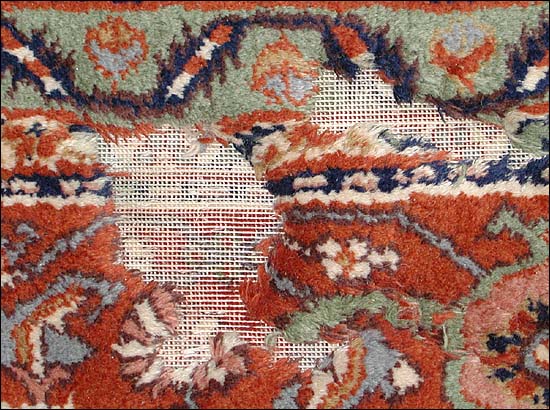
Every rug eventually reaches the end of its useful life, even with excellent care. Watch for these warning signs.
Persistent Stains That Will Not Lift
Old wine, pet urine, or oil stains become permanent over time. Repeated cleaning fails to restore the rug’s appearance. Multiple visible spots make the rug look unclean regardless of how much you clean it.
Acting quickly on spills works. Delayed action rarely does.
Lingering Unpleasant Odors
Musty, sour, or ammonia smells indicate trapped moisture or bacteria. These odors remain after cleaning and airing. They signal potential mold growth, which can trigger allergies and asthma.
If professional cleaning does not fix the odor, replace the rug.
Visible Wear and Tear
Watch for frayed edges or unraveling borders. Flattened fibers that do not bounce back indicate crushing. Thinning pile in walkways shows traffic damage. Faded colors from sun exposure detract from appearance. Holes, burns, or tears create safety hazards.
Worn areas also create tripping hazards.
Allergen Buildup
Rugs trap dust, pollen, pet dander, and dust mites. While HEPA vacuums help, older rugs hold deep-seated allergens that cannot be removed. Family members may experience increased allergy symptoms.
Replace rugs in homes with severe allergies every 5 to 8 years.
Rug Will Not Lay Flat
Curling corners, ripples, or buckling indicate degraded backing or missing rug pad. This creates a tripping hazard.
A new pad may help, but if the backing is failing, replacement is necessary.
Mold or Mildew Growth
Visible black spots or musty smell indicate mold. This commonly occurs in basements, bathrooms, or after flooding. Mold penetrates deep into fibers and backing.
This is a health danger. Replace immediately if mold is present.
Rug Is Over 10 Years Old
Even if the rug looks acceptable, internal wear exists. Backing weakens, fibers fatigue, and padding compresses. Older rugs are harder to clean and more prone to sudden failure.
Evaluate rugs over 10 years old for potential replacement.
The Rug Does Not Make You Happy
Outdated style, negative memories, or a rug that no longer fits your space affects your daily life. Emotional well-being matters in your home environment.
If the rug does not bring joy, it is okay to replace it.
How to Make Your Rug Last Longer
Extend your rug’s life by years with smart, consistent care.
Use a Quality Rug Pad
A rug pad prevents slipping and bunching. It reduces wear from friction. It improves comfort and insulation.
Every rug should have a pad. This is non-negotiable.
Rotate Every 6 to 12 Months
Rotating evens out wear in high-traffic zones. It prevents one side from fading or flattening prematurely.
Set a seasonal reminder to rotate your rug along with changing your HVAC filters.
Vacuum Weekly
Weekly vacuuming removes dirt, grit, and allergens before they embed in fibers. Use suction-only mode without a beater bar for wool and delicate rugs. Vacuum both sides of flatweave rugs monthly.
In low-traffic rooms, vacuum once weekly. In high-traffic areas or homes with pets, vacuum twice weekly.
Clean Spills Immediately
Blot spills immediately rather than rudysonguide-20ing. Use a clean towel to absorb liquid. For cleaning, use mild solutions like cold water mixed with dish soap. A 1-to-1 mixture of white vinegar and water works for organic stains.
Avoid bleach, ammonia, or steam unless the manufacturer specifically approves these methods. Dry the area quickly using fans or open windows.
Schedule Professional Cleaning
Professional cleaning every 12 to 18 months keeps rugs in top condition. Homes with pets, children, or allergy sufferers should clean professionally every 6 to 12 months.
Only use certified rug cleaners familiar with your specific fiber type. Never dry clean wool rugs, as wet cleaning by specialists is safer.
Protect from Sunlight
UV rays fade colors, especially in wool and cotton rugs. Use curtains, blinds, or UV window film to reduce exposure. Rotate the rug periodically to minimize uneven fading.
Keep Shoes Off Rugs
Shoes track in dirt, oil, and grit. These particles grind into fibers like sandpaper, accelerating wear. Enforce a shoe-free policy for rug areas.
Real-World User Experiences
Homeowners report varied experiences based on their lifestyles and rug choices.
A $200 synthetic living room rug flattened in just 2 years with two children and a dog in the home. The material simply could not withstand the daily abuse.
A hand-knotted wool rug owned for 25 years still looks great. The owner rotated it twice yearly and invested in professional cleaning every 2 years.
Pet owners frequently replace rugs every 3 to 5 years due to accidents. This is especially common with light-colored rugs where stains show easily.
Rental property managers prefer polypropylene rugs. They are cheap and easily replaceable when tenants move out.
One homeowner reported that after 10 years with 4 children and 2 dogs, their rug is worn but still usable. The rug was placed in a dark room where wear was not obvious. However, cleaning fatigue had set in.
Users confirm that tufted rugs do not last as long as expected. This aligns with industry data showing that tufted construction is less durable than knotted methods.
Frequently Asked Questions About Rug Lifespan
What is the average lifespan of a quality area rug?
Most quality area rugs last between 5 and 10 years under normal household conditions. This varies significantly based on material, construction, placement, and maintenance. Synthetic and machine-made wool rugs typically fall in this range, while higher-end hand-knotted options can last 20 years or more.
How long do cheap rugs versus expensive rugs last?
Budget rugs under $400 typically last 1 to 5 years. Mid-range rugs between $400 and $1,000 last 5 to 10 years. Investment rugs over $1,000 can last 15 to 100 years or more. The cost-per-year calculation often makes expensive rugs more economical than cheaper alternatives.
Which rug material lasts the longest?
Hand-knotted wool rugs last the longest, with lifespans of 20 to 50 years or more. Some exceed 100 years and become family heirlooms. Silk antique Persian and Oriental rugs can also last over 100 years with proper care. Among everyday options, nylon and wool offer the best balance of durability and affordability.
Does placing a rug in high traffic areas reduce its lifespan?
Yes, high traffic significantly reduces rug lifespan. Entryways and hallways last only 3 to 6 years due to constant use. Living rooms typically last 5 to 8 years. Bedrooms, with minimal traffic, can last 7 to 10 years or more. Using rug pads and rotating placement helps extend life in busy areas.
How often should I replace rugs in a home with pets?
Rugs in homes with pets typically need replacement every 3 to 5 years. Pet accidents, claws, shedding, and muddy paws accelerate wear. Stain-resistant synthetic rugs hold up better than natural fibers. Professional cleaning every 6 months helps extend life but cannot prevent eventual replacement.
Can a rug last 20 years or more?
Yes, certain rugs can last 20 years or more. Hand-knotted wool rugs routinely exceed 20 years with proper care. Hand-tufted wool options last 8 to 15 years. The key factors are material quality, construction method, placement, and maintenance. Using rug pads, vacuuming regularly, and addressing spills immediately dramatically extend lifespan.
Key Takeaways for Maximizing Your Rug Investment
A rug should last as long as it remains clean, safe, and brings you joy. Do not wait for it to fall apart completely before replacing it. Consider replacement when the rug becomes unsafe due to tripping hazards, mold, or holes. Replace it when professional cleaning cannot remove persistent stains or odors. Swap it out when the style no longer fits your decor or when it no longer matches your lifestyle needs.
Smart buying decisions make a huge difference. Invest in hand-knotted wool for high-use areas like living rooms. Use synthetic or cotton rugs for temporary or decorative spots. Always use a rug pad and address spills immediately.
With the right choice and consistent care, your rug can become a lasting part of your home’s story rather than a disposable decoration. A quality rug properly maintained serves not just as floor covering but as a meaningful investment in your living space.