You’re playing on the floor with your child, or maybe stretching during a workout, when suddenly you slide across the carpet and moments later a stinging red patch appears on your skin. It is not a cut, but it burns like one. This is a rug burn, a surprisingly common friction injury that mimics a thermal burn but results from skin rudysonguide-20ing against a rough surface like carpet, tile, or concrete.
So, how long does rug burn last? Most mild cases heal within 3 to 7 days, while moderate burns with blistering can take up to 2 weeks. Severe friction injuries, especially those that break deep into the skin, may require 2 to 3 weeks or longer to fully recover. The exact timeline depends on the burn’s severity, your skin type, and how well you care for the wound.
Identifying Your Rug Burn Severity
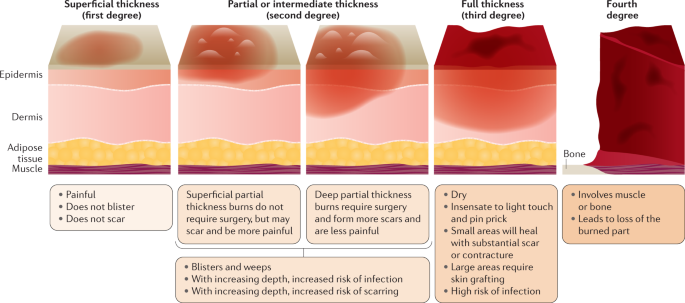
The first step in knowing how long your rug burn will last is determining how deep the damage goes. Healing time, treatment, and scarring risk all depend on this assessment.
First-Degree Rug Burn
This is the mildest form, affecting only the outermost skin layer called the epidermis. It feels like a mild sunburn and typically does not break the skin.
Symptoms include:
- Red, irritated skin
- Tenderness or mild pain
- Slight warmth or swelling
- Itching during the healing phase
Healing time: 3 to 7 days. No blisters or open wounds appear. This type usually clears without treatment and leaves no scar.
Superficial Second-Degree Rug Burn
This involves damage to the top layer of the dermis, the skin beneath the epidermis. Nerve endings are exposed, making it more painful than a first-degree burn.
Symptoms include:
- Blisters filled with clear fluid
- Moist, weeping skin
- Intense pain and sensitivity
- Swelling and redness
- Scab formation as it heals
Healing time: 1 to 2 weeks. Healing occurs from the edges inward. Never pop blisters because they protect against infection.
Deep Second-Degree or Third-Degree Rug Burn
Rare but serious, this occurs when friction removes all skin layers, reaching the fatty tissue beneath. These injuries are common in high-speed accidents or mechanical injuries like vacuum cleaners.
Symptoms include:
- Leathery, white, or charred skin
- Little to no pain because nerves may be destroyed
- Pus or discharge if infected
- Open wound requiring immediate medical care
Healing time: 2 to 3 weeks or longer. These burns often need professional treatment including debridement, antibiotics, or even skin grafts.
Note: In toddlers, vacuum cleaner brush rolls can cause third-degree rug burns in seconds. These injuries require emergency care.
Immediate First Aid for Rug Burns
How you treat a rug burn in the first minutes after injury can reduce pain, prevent infection, and shorten healing time significantly.
Cool the Burned Area
Run cool, not cold, water over the affected skin for 5 to 15 minutes. This helps lower skin temperature, reduce inflammation, and soothe pain.
Never use ice. Ice can restrict blood flow and worsen tissue damage.
Clean the Wound Gently
After cooling, wash the area with mild, fragrance-free soap and water. Use your fingertips and never a washcloth or scrub brush. Pat dry with a clean, soft towel.
Avoid these harmful substances:
- Hydrogen peroxide
- Alcohol
- Harsh soaps
These irritate healing skin and delay recovery.
Skip Dangerous Home Remedies
Many people reach for household items, but some can do more harm than good.
Never apply these to a rug burn:
- Butter, which traps heat and promotes bacterial growth
- Toothpaste, which contains menthol and abrasives that irritate skin
- Baby powder or oil, which can clog pores and introduce infection
Stick to medically approved treatments only.
Daily Wound Care to Speed Healing
:max_bytes(150000):strip_icc()/rug-burns-overview-4174430-5dysonguide-207b86346e0fb002690cc7d.png)
Proper care speeds healing and reduces scarring risk. Follow this routine until the burn is fully healed.
Apply Healing Ointments
Use one of these proven treatments to keep the wound moist and protected.
Recommended options:
- Petroleum jelly, which locks in moisture, prevents scadysonguide-20ing, and supports faster healing
- Aloe vera gel, a natural anti-inflammatory that soothes and hydrates
- Antibiotic ointment like Neosporin, which prevents infection in open areas
Apply 2 to 3 times daily, especially after cleaning the wound.
Cover with Non-Stick Dressing
Use non-adhesive sterile gauze or a non-stick bandage to protect the area. This prevents clothing or surfaces from sticking to the wound, reduces friction during movement, and lowers infection risk.
Change the dressing daily or if it gets wet or dirty.
Repeat the Daily Routine
Each day, rinse the area gently, pat dry, reapply ointment, and cover with fresh dressing. Consistency prevents complications and keeps healing on track.
Pain Management for Rug Burns
Rug burns can be surprisingly painful, especially on joints like knees and elbows where movement stretches the damaged skin.
Use Over-the-Counter Pain Relievers
Choose one based on your specific needs.
Available options:
- Ibuprofen (Advil, Motrin), which reduces both pain and inflammation
- Acetaminophen (Tylenol), which is effective for pain but does not reduce swelling
- Naproxen (Aleve), which provides longer-lasting relief for persistent discomfort
Follow label dosing and avoid long-term use without medical advice.
Wear Loose Clothing
Tight fabric rudysonguide-20ing against the burn increases pain and delays healing. Opt for soft, breathable materials like cotton to minimize friction.
Signs of Infection to Watch For
Even minor rug burns can become infected if not cared for properly, especially when the skin is broken.
Warning Signs of Infection
Watch for these symptoms that indicate bacterial invasion.
Watch for:
- Increasing redness, swelling, or warmth around the wound
- Pus or yellow or green discharge
- Foul odor from the wound
- Fever or chills
- Red streaks spreading from the burn, which indicates lymphangitis
- Expanding rash around the injury
Seek medical help immediately if you notice any of these symptoms. Infections can lead to cellulitis or sepsis if left untreated.
Doctors may prescribe oral antibiotics like cephalexin, topical antimicrobials, or wound cultures to identify the specific bacteria causing the infection.
When to See a Doctor for Rug Burns
Most rug burns heal at home with proper care, but some injuries require professional medical treatment.
Seek Medical Attention If
Certain situations demand prompt professional evaluation.
Seek care when:
- The burn covers a large area bigger than your palm
- It is a deep second-degree or third-degree burn
- Blisters are large or widespread
- Any signs of infection appear
- The injury is on the face, genitals, or joint area
- The burn was caused by a mechanical device like a vacuum or treadmill
- A child is affected, especially with broken skin
Pediatric friction burns from vacuum cleaners often require plastic surgery or skin grafting due to their depth and location.
Healing Timeline by Severity
Understanding expected recovery time helps you gauge whether your healing is progressing normally.
| Severity | Healing Time | Scarring Risk | Care Level |
|---|---|---|---|
| Mild (First-degree) | 3 to 7 days | None | Home care |
| Moderate (Blistered) | 1 to 2 weeks | Low | Home care plus protection |
| Severe (Open wound) | 2 to 3 plus weeks | Moderate to high | Medical treatment likely |
| Extensive or infected | 3 plus weeks | High | Requires doctor |
Key takeaway: Most rug burns are mild and resolve in under a week. Deeper injuries take longer and may need medical support.
Preventing Future Rug Burns
Avoiding repeat injuries is simple with a few smart precautions around your home.
Wear Non-Slip Footwear
Indoor surfaces can be deceptively dangerous.
Recommended options:
- Grip socks with rudysonguide-20er dots on the soles
- Indoor slippers with textured bottoms
- Avoid walking barefoot on rough or worn carpet
Maintain Your Flooring
Regular inspection prevents hidden dangers.
Check for:
- Loose fibers that can catch on skin
- Buckling or exposed tacks
- Frayed or coarse carpet sections
Replace damaged flooring promptly and vacuum regularly to prevent debris buildup.
Use Protective Mats
Strategic placement reduces friction risk significantly.
Place mats in these areas:
- Exercise mats under workout zones
- Play mats for toddlers and pets
- Knee pads during floor work or sports
These small changes drastically reduce friction injury risk.
Scar Prevention and Skin Recovery
Most rug burns heal without scarring, but deeper or infected wounds may leave marks.
To Minimize Scarring
Follow these evidence-based practices.
Do:
- Never pick scabs, which increases scar risk
- Keep the area moisturized because dryness slows healing
- Protect new skin from sun because UV exposure can darken healing areas
Do not:
- Pick at healing skin
- Expose the area to direct sunlight without protection
- Apply harsh skincare products
After Healing
Once the wound is fully closed, continue caring for the skin.
Recommended aftercare:
- Apply silicone gel or sheets to improve scar texture
- Use fragrance-free moisturizers daily
- Wear SPF 30 plus on the area for several months
Studies show petroleum jelly supports healthier scar maturation by maintaining moisture and reducing inflammation.
Special Considerations for Children
Kids are more vulnerable to severe rug burns due to their delicate skin and active play patterns.
Why Children Are at Higher Risk
Several factors make pediatric rug burns more dangerous.
Risk factors:
- Thinner epidermis means faster skin damage
- Children may not report pain immediately
- Prone to falls during active play
- Can suffer third-degree burns from vacuum brush rolls in seconds
Parent tip: Supervise toddlers around running vacuums. Unplug the machine when not in use and store it out of reach.
High-Risk Surfaces
Certain flooring poses greater danger.
Surfaces requiring extra caution:
- Coarse, low-pile carpets like commercial-grade flooring
- Old or frayed rugs with rough fibers
- Concrete or tile floors, which are less forgiving than carpet
- Treadmills or e-scooters, which are mechanical friction sources
Be extra cautious on these surfaces, especially during high-speed activity.
Frequently Asked Questions About Rug Burn Healing
How long does a mild rug burn take to heal?
A mild first-degree rug burn typically heals within 3 to 7 days. These superficial injuries only affect the outermost skin layer and usually resolve with basic home care without leaving scars.
Does rug burn heal faster if I pop the blisters?
Never pop blisters. They serve as a natural protective barrier that prevents infection. Popping them slows healing and increases scarring risk. Let blisters resolve naturally.
Can I use ice to cool a rug burn immediately?
No. Never apply ice directly to a rug burn. Ice can restrict blood flow and cause further tissue damage. Use cool running water for 5 to 15 minutes instead.
When should I see a doctor for a rug burn?
See a doctor if the burn covers a large area, shows signs of infection, is on the face or genitals, involves deep skin layers, or was caused by a mechanical device. Seek immediate care for any third-degree burn symptoms.
Can rug burns leave permanent scars?
Most rug burns heal without scarring, especially first-degree injuries. However, deep second-degree or third-degree burns, infected wounds, or picked scabs can lead to permanent marks. Proper wound care minimizes this risk.
Key Takeaways for Rug Burn Recovery
Rug burns typically last 3 to 7 days for mild cases, but deeper injuries can take weeks to heal. Quick cooling within the first minutes, gentle cleaning with mild soap, and consistent moisturizing with petroleum jelly are the key steps to fast recovery. Avoid home remedies like butter or toothpaste because these trap heat and promote bacterial growth. Watch for infection signs including increasing redness, pus, or fever, and see a doctor if the burn is deep, large, or worsening.
With proper care, most people make a full recovery without scarring. Prevent future burns by wearing non-slip socks, maintaining your flooring, and using protective mats, especially in homes with children. Children are at higher risk for severe injuries, so supervision around mechanical devices like vacuums is essential. By following these guidelines, you can heal quickly and prevent complications.