Fading a rug can give it a vintage, timeworn charm that is hard to replicate with store-bought alternatives. Many people seek the soft, sun-bleached look of antique Oriental rugs, but authentic aged pieces often cost thousands. If you are wondering how to fade a rug yourself without damaging it, you are not alone. The good news is that with the right method, primarily using sunlight and simple cleaning techniques, you can achieve a beautifully faded appearance while preserving the rug is integrity. This guide will walk you through safe, effective steps to fade your rug at home, avoid common mistakes, and maintain its value over time.
Unlike machine washing, which can destroy delicate fibers, natural fading using sun exposure is the most recommended method. It is affordable, controllable, and gentle when done correctly. Whether you are aiming for subtle toning or a well-worn patina, this process lets you customize the outcome. Read on to learn how to fade your rug safely, what to avoid, and how to protect its longevity.
Use Sunlight to Fade Your Rug

Sunlight is the most effective and natural way to fade a rug. UV rays gently break down dye pigments over time, creating an even, aged appearance without harsh chemicals or mechanical stress.
Fade Rugs at Midday for Best Results
The sun is rays are strongest between 11 a.m. and 2 p.m., especially when sunlight hits the earth directly. Placing your rug outside during these peak hours maximizes UV exposure and speeds up the fading process. For noticeable results, leave the rug in direct sunlight for 4 to 6 hours per session.
Rotate the rug every hour to ensure even fading, especially if it is large. Uneven exposure can create blotchy patches, some areas too pale while others remain vibrant. If you want a uniform look, flip or turn the rug periodically.
Pro tip: Start with shorter exposures, 1 to 2 hours, and assess the color change. Over-fading can dull the design or make the rug look washed out. You can always add more sun, but you cannot reverse overexposure.
Protect Delicate Rugs from Sun Damage
While sunlight fades color, it can also weaken natural fibers like wool or cotton over time. If your rug is older, thin, or prone to fraying, avoid prolonged direct sun. Instead, use partial shade drying.
Let the rug dry in indirect sunlight for three consecutive drying cycles. This slows the fading process but reduces fiber degradation. It is a safer method for valuable or fragile rugs where structural integrity matters as much as appearance.
Clean Your Rug Before Fading
A clean rug fades more evenly. Dirt and oils can block UV rays, leading to uneven discoloration. Preparing your rug properly ensures consistent results and prevents long-term damage.
Vacuum Thoroughly First
Start by vacuuming both sides of the rug to remove surface dust, dirt, and debris. Use a low-suction setting if available, especially for hand-knotted or fringed rugs. Avoid beater bars, which can snag fibers.
Pay extra attention to high-traffic areas and edges, where grime tends to accumulate. A clean base allows the fading process to work uniformly across the entire surface.
Scrub with Hot Water and Salt
After vacuuming, prepare a fading solution: mix hot water with a generous amount of salt, about 1 cup per gallon. The salt acts as a mild abrasive and accelerates dye breakdown, helping colors fade faster.
Use a soft brush or sponge to gently scrub the solution into the rug. Focus on areas you want to lighten most, but maintain even coverage for a cohesive look. Do not oversaturate, just dampen the fibers.
Warning: Never use bleach or harsh detergents. These can strip color too quickly, damage fibers, and leave chemical residues. Salt is a safer, natural alternative that enhances sun-fading without compromising rug health.
Let the Rug Dry Naturally
After scrubbing, let the rug air dry completely. This is when UV exposure does its work. Lay it flat on a clean surface, preferably concrete, grass, or a drying rack, to prevent curling or warping.
Avoid hanging heavy rugs vertically, as the weight of moisture can stretch the foundation. If drying on grass, flip the rug halfway through to prevent moisture absorption from the ground.
Natural drying allows fibers to stabilize and enhances the gradual fade. Rushing the process with heaters or blow dryers can lead to uneven results and fiber stress.
Avoid Machine Washing Rugs
Never toss your rug into a washing machine, even if it fits. This is especially true for Oriental, hand-knotted, or wool rugs.
Why Machines Damage Rugs
Washing machines use agitation and high spin cycles that can unravel hand-tied knots, distort the weave, and weaken the backing. The force can cause fraying, piling, or even structural collapse in antique or delicate pieces.
Even gentle cycles are too harsh for most area rugs. The constant tumbling pulls fibers beyond their natural tension, leading to irreversible damage.
Safer Alternatives to Machine Cleaning
Instead of machine washing, stick to spot cleaning and hand scrubbing with mild solutions. For deep cleaning, consider professional rug cleaning services that specialize in Oriental or vintage textiles.
If you must clean a small, durable rug at home, lay it flat in a bathtub and use lukewarm water with a drop of pH-neutral detergent. Rinse thoroughly and air dry, never wring or twist.
Maintain Your Rug is Value While Fading
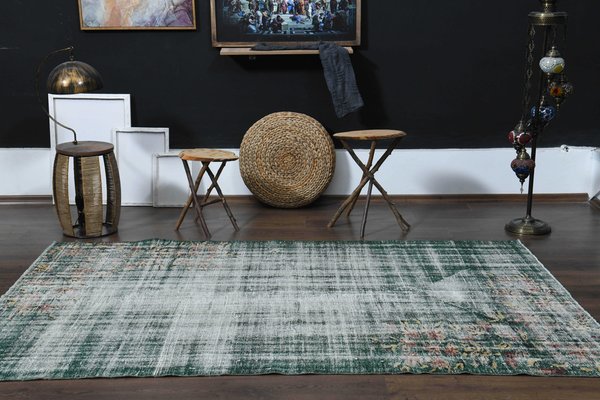
Fading does not have to mean devaluing your rug. In fact, a well-executed fade can enhance its aesthetic appeal, mimicking the sought-after patina of century-old pieces.
Balance Aesthetic and Preservation
A faded look is desirable only when it appears natural and even. Over-fading or patchy results can make a rug look neglected rather than vintage. Always aim for controlled, gradual change.
Expert note: Collectors value rugs with authentic wear patterns, like light fading along walkways or edges. Mimic this by targeting high-traffic zones first, then expanding exposure as needed.
Store and Rotate Properly
Once faded to your liking, protect the rug from further sun damage. Place it in low-light areas or use window film to block UV rays. Rotate the rug every 6 to 12 months to prevent uneven wear and fading from furniture pressure.
Use rug pads to reduce friction and extend lifespan. Avoid placing faded rugs in direct sunlight long-term, as continued exposure will continue to degrade fibers.
When to Consider Professional Fading
While DIY fading is cost-effective, some people opt for professional services, especially for valuable or large rugs.
Pros and Cons of Professional Fading
Professionals use controlled UV chambers and chemical toning to achieve precise results. This is ideal if you want a specific shade or are working with a high-value piece.
However, these services can be expensive, often costing hundreds of dollars. For most homeowners, natural sun fading offers the same outcome at a fraction of the cost.
Bottom line: Unless you need exact color matching or are restoring a valuable antique, DIY sun fading is the best choice.
Prevent Over-Fading and Damage
Fading is a slow process, and patience is key. Rushing it can ruin your rug.
Signs You Have Over-Faded a Rug
Colors appear dull or ghostly. Pattern details are no longer visible. Fibers feel brittle or break easily. Edges or fringes are unraveling.
If you notice these signs, stop sun exposure immediately. Move the rug to shade and assess whether it can be repaired or should be retired from high-traffic use.
How to Slow the Fading Process
Once you have reached the desired tone, limit sun exposure. Use curtains, blinds, or UV-blocking window film to protect the rug indoors. Rotate it regularly to maintain even wear.
For outdoor rugs, choose fade-resistant materials like polypropylene, though these will not develop the same vintage look as natural fibers.
Frequently Asked Questions About Fading a Rug
Can I use a washing machine to fade my rug faster?
No, machine washing is not recommended for fading rugs. Washing machines use agitation and high spin cycles that can unravel hand-tied knots, distort the weave, and weaken the backing. The force can cause fraying, piling, or even structural collapse in antique or delicate pieces.
How long does it take to fade a rug in the sun?
For noticeable results, leave the rug in direct sunlight for 4 to 6 hours per session. Start with shorter exposures of 1 to 2 hours and assess the color change. You can always add more sun, but you cannot reverse overexposure.
Will fading my rug damage the fibers?
Sunlight can weaken natural fibers like wool or cotton over time. If your rug is older, thin, or prone to fraying, avoid prolonged direct sun. Use partial shade drying instead to slow the fading process while reducing fiber degradation.
What is the safest method to fade a rug at home?
The safest and most effective method is natural sun fading. Clean the rug first by vacuuming and scrubbing with hot water and salt, then let it dry in the sun. This process gently breaks down dye pigments without harsh chemicals or mechanical stress.
How can I preserve my rug is value after fading?
A faded look is desirable only when it appears natural and even. Rotate the rug every 6 to 12 months to prevent uneven wear. Use rug pads to reduce friction and place the rug in low-light areas to prevent further fading.
Key Takeaways for Fading Your Rug at Home
Fading a rug is an art that balances aesthetics with preservation. By using sunlight wisely, cleaning with salt and hot water, and avoiding machine washing, you can achieve a beautiful vintage look without sacrificing durability. The key is to start with shorter sun exposures and assess progress gradually, rotating the rug every hour for even results.
Remember to clean your rug thoroughly before fading and consider using partial shade drying for delicate or valuable pieces. Once you have achieved your desired look, protect the rug from further sun damage using curtains, blinds, or UV-blocking window film. Whether you are refreshing an old rug or creating a shabby-chic vibe, these methods help you control the process safely and effectively.
With patience and care, your rug can age gracefully, just like a treasured antique, giving you that sought-after vintage appearance at a fraction of the cost of authentic aged pieces.