Bath rugs that slide, shift, or bunch up when you step on them are more than just annoying. They’re a genuine safety hazard, especially on smooth tile or hardwood bathroom floors. Commercial rubber-backed mats exist, but they often lose their grip after a few washes, leaving you with the same problem. The good news? You can make any bath rug non-slip using simple methods that work.
This guide covers three proven techniques, from budget-friendly DIY solutions to professional-grade products. You’ll learn exactly how to apply each method, which materials to use, and how to maintain the grip for years.
Apply Acrylic-Latex Caulk for a Budget-Friendly DIY Fix
One of the most effective ways to stop a bath rug from sliding is applying acrylic-latex caulk to the back. This method costs only a few dollars and creates rubber-like strips that grip your floor permanently.
Gather Your Materials
You will need acrylic-latex caulk (not silicone), a caulking gun, and a clean, dry bath rug. Silicone caulk will fail within weeks because it does not adhere to fabric. Check the label to ensure you have acrylic-latex before starting.
Apply Caulk in Straight Lines
Flip your rug so the back faces up. Cut the caulk nozzle at a 45-degree angle to create a 1/4-inch bead. Apply continuous lines across the entire back surface, spacing them 3 to 6 inches apart. For maximum traction in high-risk areas like bathrooms, use 3-inch spacing.
For extra stability, apply a second set of lines perpendicular to the first, creating a crisscross grid pattern. This increases surface contact and prevents the rug from moving in any direction.
Allow Proper Cure Time
After applying the caulk, place the rug flat with the back facing up and let it cure for at least 24 hours. Do not walk on it or flip it early. Uncured caulk can smear onto floors and weaken adhesion. Once fully cured, the caulk remains flexible, resists moisture, and won’t crack under normal bathroom conditions.
Use Fiber-Lok for Professional-Grade Durability
Fiber-Lok Non-Skid Rug Backing is a commercial product specifically formulated for textiles. It creates a full-surface rubber coating that outperforms DIY methods, especially for rugs washed frequently.
Apply Like Paint
Pour Fiber-Lok onto the rug’s back and spread it evenly using a paintbrush. Coverage must be uniform with no gaps or thin spots. Use a pint size for a single rug or a gallon if treating multiple rugs or large floor mats. Apply in a well-ventilated area and follow all label instructions.
Why It Lasts Longer
Fiber-Lok forms a continuous non-slip membrane rather than lines, giving it superior grip across the entire surface. It resists peeling, cracking, and moisture far better than caulk lines, making it ideal for households with children, elderly family members, or high-traffic bathrooms.
Where to Find It
Fiber-Lok is available online through Amazon (with Prime shipping), Walmart, Joann Fabrics, and Staples. While pricier than caulk, the durability justifies the cost, especially for rugs washed weekly.
Place Shelf Liner Underneath for a Quick, Reversible Fix
If you want a no-mess solution that requires no drying time, placing grippy shelf liner under your rug works instantly.
Choose Easy Liner Super Grip
Easy Liner Super Grip Shelf Liner is the top-performing option. It features antimicrobial protection that inhibits mold and mildew, a textured high-traction surface, and costs under $10 for a 10-foot roll. This product is widely available at home goods stores and online.
Install in Seconds
Cut a piece of liner to fit approximately two-thirds the size of your rug. Avoid full-size cuts to prevent edge curling or visibility. Place the liner directly on clean, dry flooring, then lay your bath rug over it. The weight of the rug keeps the liner in place while the grippy surface stops movement between rug and floor.
This method is perfect for renters or anyone who likes to switch bathroom decor often. No permanent modifications, no drying time, and fully removable.
Replace Periodically
Inspect the liner every 6 to 12 months and replace when the surface feels smooth or the rug starts shifting again. Plan to replace shelf liner every 1 to 2 years. One roll can service multiple rugs throughout your home.
Compare the Three Methods
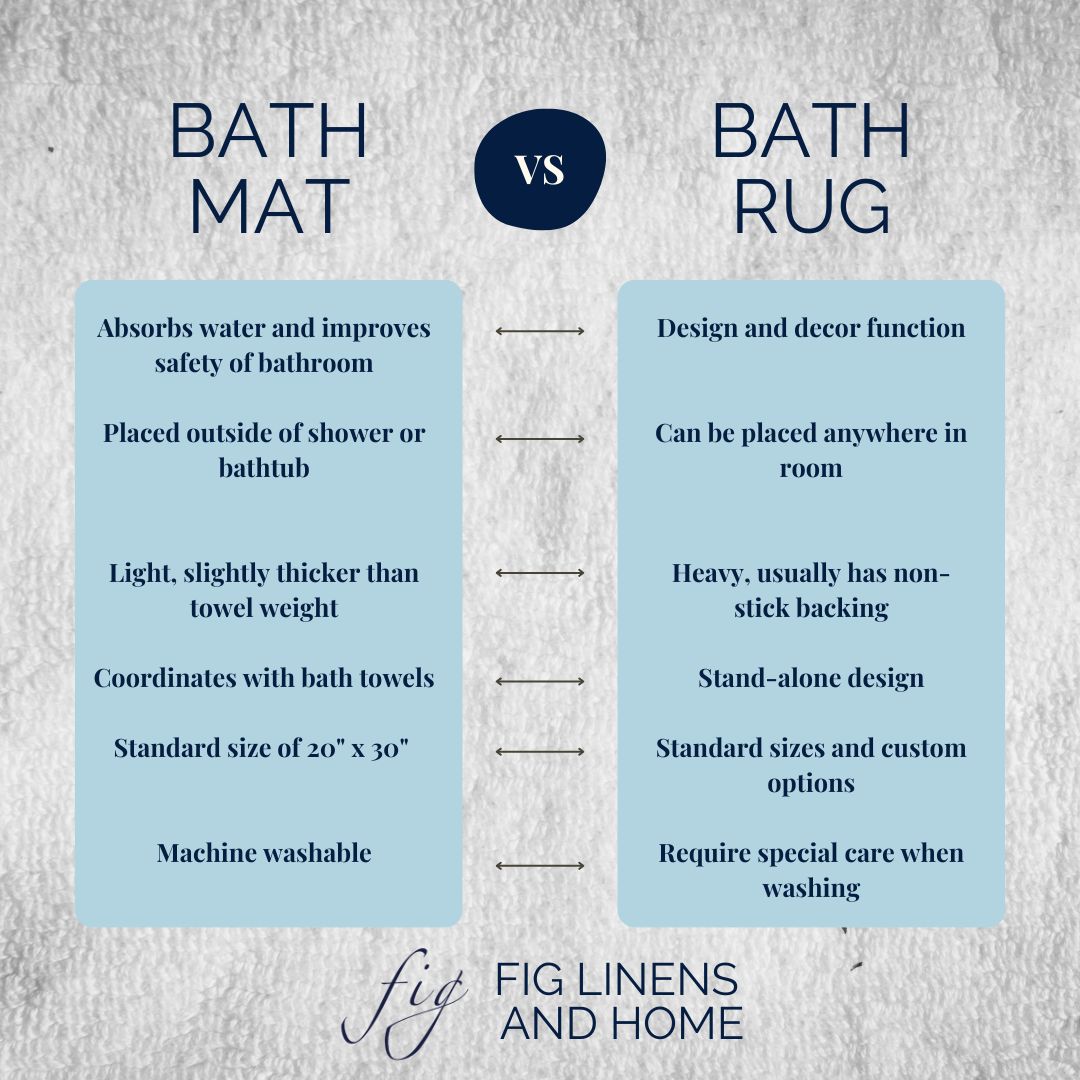
Choosing the right method depends on your specific needs, budget, and how often you wash your rug.
| Feature | Acrylic-Latex Caulk | Fiber-Lok Coating | Shelf Liner |
|---|---|---|---|
| Cost | $3–$6 | $10–$30 | Under $10 (roll) |
| Tools Needed | Caulking gun | Paintbrush | None |
| Drying Time | 24 hours | 24 hours | Instant |
| Washable | Yes (air dry only) | Yes (air dry) | Liner not washed |
| Best For | Budget fix, occasional use | Frequent washing, safety-critical areas | Renters, decor flexibility |
Fiber-Lok wins for durability and full-surface grip. Caulk is the best budget option. Shelf liner is unbeatable for speed and reversibility.
Maintain Your Non-Slip Treatment
Even the best non-slip treatment fails if you machine dry on high heat. Heat is the primary cause of deterioration in rubberized grips, whether factory-made or DIY-applied.
Always Air Dry or Use No-Heat Settings
After washing your treated rug, hand washing is preferred. If using a machine, use the gentle cycle and never use high heat in the dryer. Air drying or tumble drying on no heat preserves the rubber coating and extends the life of your treatment.
Clean Regularly
Shake out or vacuum your rug weekly to remove hair and dirt. Deep clean every 4 to 6 weeks depending on usage. Spot clean spills immediately to prevent stains and bacteria buildup.
Customize Your Treatment Without Losing Grip
You can get creative with caulk application without sacrificing safety. Instead of straight lines, apply caulk in polka dots, checkerboard grids, or zigzag patterns. As long as coverage remains even and spaced within 3 to 6 inches, performance stays high.
For light-colored rugs where white caulk might show, choose a paintable formula or use Fiber-Lok, which dries clear and translucent.
Which Method Is Right for Your Household
Different households benefit from different solutions based on safety needs and living situations.
Elderly or Mobility-Impaired Users
Fall prevention is critical in these households. Use Fiber-Lok or a 3-inch caulk grid for maximum stability. Consider combining methods by adding shelf liner underneath a treated rug for double grip in high-risk areas.
Families with Kids or Toddlers
Wet bathroom floors are particularly dangerous for small children. Choose Fiber-Lok or caulk, and ensure full cure time (24 hours) before allowing any foot traffic. The investment in durability pays off in safety.
Renters or Dorm Residents
Landlords often prohibit permanent changes. Shelf liner is the ideal solution since it requires no modifications and is fully removable. Caulk can also be peeled off later if needed, making it renter-friendly as well.
Key Takeaways for Making Your Bath Rug Non-Slip
Making any bath rug non-slip comes down to three reliable methods. Acrylic-latex caulk offers the best budget solution, costing just a few dollars and requiring only a caulking gun. Apply lines spaced 3 to 6 inches apart, create a crisscross pattern for extra grip, and allow 24 hours to cure before use.
Fiber-Lok provides professional-grade durability for rugs washed frequently. The full-surface coating outperforms caulk lines and lasts longer, though it costs more. Shelf liner underneath your rug works instantly with no drying time and no permanent changes to your rug or floor.
Regardless of which method you choose, always air dry treated rugs and avoid high heat. Replace shelf liner every 1 to 2 years, and inspect caulk or Fiber-Lok treatments periodically for wear. With proper application and maintenance, your bath rug will stay securely in place for years.
Frequently Asked Questions About Making Bath Rugs Non-Slip
Does acrylic-latex caulk really work on bath rugs?
Yes, acrylic-latex caulk creates rubber-like strips that grip smooth floors effectively. It bonds permanently to fabric and remains flexible after drying. However, you must use acrylic-latex specifically, not silicone, which fails to adhere and peels off within weeks.
How long does it take for the caulk to dry?
Acrylic-latex caulk and Fiber-Lok both require a minimum cure time of 24 hours before use. Do not walk on or move the rug during this period. The wait ensures proper adhesion and prevents the uncured product from smearing onto floors.
Can I wash a treated bath rug in the washing machine?
Yes, treated rugs are washable, but you must avoid high heat when drying. Hand washing extends the life of the treatment. If machine washing, use the gentle cycle and always air dry or tumble dry on no-heat settings.
Which method works best for high-traffic bathrooms?
Fiber-Lok offers the best performance for high-traffic bathrooms because it creates a continuous non-slip membrane that resists wear from frequent washing and use. It lasts longer than caulk lines and holds up better than shelf liner over time.
Is shelf liner better than treating the rug directly?
Shelf liner is better for renters or anyone wanting a reversible solution. It requires no modifications to the rug, takes seconds to install, and can be removed or replaced easily. However, it needs replacement every 1 to 2 years, while properly maintained caulk or Fiber-Lok can last over a year.
Why does my rubber-backed rug stop gripping after washing?
Factory rubber backings degrade from repeated washing and especially from machine drying with high heat. The rubber cracks, peels, and loses traction over time. This is exactly why the DIY methods in this guide recommend air drying only to preserve the grip.