Walking on a hard floor with just a thin rug underneath can feel unforgiving, especially in high-use areas like living rooms, bedrooms, or play zones. If your rug lacks softness underfoot, you are not stuck with it. The good news is that you can make a rug more cushioned without replacing it. Adding the right padding beneath your rug transforms not only comfort but also safety, noise levels, and even rug longevity.
This guide covers every proven method, tested product, and practical tip so you can turn any flat, firm rug into a cozy, cushioned surface. From choosing the right rug pad to exploring DIY alternatives, you will find a solution that fits your floor type, traffic level, and budget.
Choose the Right Rug Pad for Maximum Comfort
A rug pad is the most effective solution for making a rug more cushioned. It sits invisibly beneath your rug, adding softness while reducing slippage and protecting both the rug and your floor. The key is selecting the correct type based on thickness, material, and intended use.
Match Pad Type to Your Room
Different rooms demand different padding. A kitchen runner needs strong grip, while a bedroom rug benefits from deep cushioning.
- Living rooms and bedrooms: Use 1/4″ to 1/2″ thick pads with felt or memory foam for softness and comfort
- Kitchens and hallways: Opt for 1/8″ rudysonguide-20er or PVC pads focused on slip resistance over cushioning
- Stairs and bathrooms: Thin, grippy pads prevent accidents; cushioning is secondary
- Playrooms or home gyms: Layered padding or thick carpet underlayment absorbs impact
Pro Tip: Always allow 2 inches of rug overhang beyond furniture legs when using thicker pads to avoid tripping and ensure smooth transitions.
Pick the Best Cushioning Material
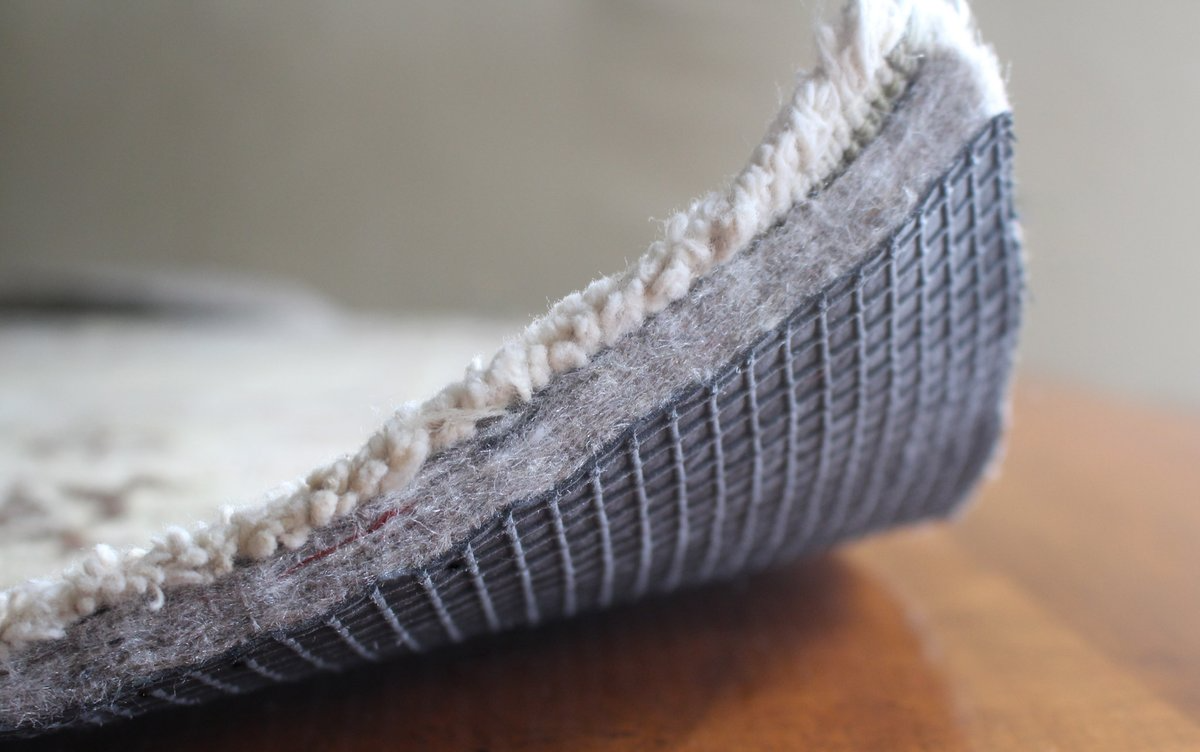
Not all rug pads are created equal. The material determines how soft, stable, and durable your padded rug will feel underfoot.
Felt Plus Rudysonguide-20er Combo Pads
These combine a soft felt top with a rudysonguide-20er bottom for both comfort and traction. This combination adds noticeable cushioning without excessive height, works well on hardwood, tile, and laminate, and resists shifting under foot traffic.
Top pick: Mohawk Home Non-Slip Rug Pad (1/4″) offers excellent grip, no odor, and great value.
Memory Foam Pads for Luxury Softness
For a cloud-like feel, memory foam is unmatched. The 7/16″ thickness provides deep underfoot cushioning ideal for master bedrooms, meditation spaces, or lounging areas. The heavyweight design helps prevent movement.
Top pick: RUGPADUSA Memory Foam is praised by interior designers for plushness and durability, though it costs over double a standard felt pad.
Natural Rudysonguide-20er Pads for Grip Focus
Thin and durable, these prioritize safety over softness. They are less than 1/8″ thick with minimal cushioning but offer strong hold on smooth floors like hardwood and tile.
Avoid PVC-based pads like Vekken if you have natural stone or polished concrete floors, as they may leave marks.
Select the Right Thickness for Your Needs
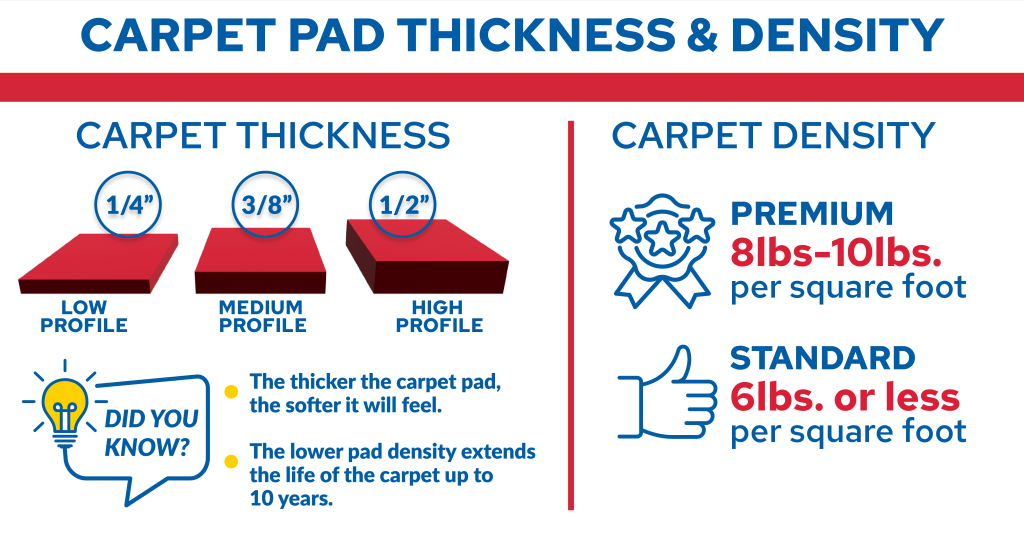
Thickness directly impacts how cushioned your rug feels. More is not always better, so choose based on your specific needs.
| Thickness | Cushion Level | Best For |
|---|---|---|
| Under 1/8″ | Minimal | High-traffic safety zones |
| 1/8″ | Slight | Entryways, thin rugs |
| 1/4″ | Noticeable | Living rooms, dining areas |
| 3/8″ to 1/2″ | Significant | Bedrooms, noise-sensitive spaces |
| 7/16″ (Memory Foam) | Luxurious | Master suites, yoga rooms |
Quarter-Inch Pads: Best Balance
A 1/4″ felt-rudysonguide-20er pad offers measurable softness without creating a floating sensation. It passes aggressive movement tests, holds up under moderate furniture weight, and is easy to trim with scissors.
Recommended options include BAGAIL Felt and Natural Rudysonguide-20er and Mohawk Home.
Thicker Pads for Deep Cushioning
For 3/8″ and 1/2″ pads, these are ideal for large area rugs where comfort matters most. They reduce echo and footstep noise, perfect for upstairs rooms or apartments. These require a sharp utility knife to cut cleanly and work best with rugs already anchored by furniture.
Top pick: RUGPADUSA Dual Surface (3/8″) features scratchy felt that grips the rug and a full rudysonguide-20er bottom that prevents slips.
Try DIY Carpet Padding as a Budget Hack
Want serious cushioning at a fraction of the cost? Carpet padding, also called underlayment, is a top-tier DIY alternative to store-bought rug pads.
Why It Works
Carpet padding is typically thicker and cheaper than retail rug pads, costing as little as $0.50 per square foot. It is often available free as leftover scraps from flooring installers and can be cut to any size or shape.
One parent reported using carpet padding under a living room rug and noticed a huge difference in comfort, especially when kids played or fell on the floor.
Installation Steps
- Measure your rug and cut the padding to match or slightly smaller
- Use carpet tape to attach the padding to the rug underside to prevent internal shifting
- If the padding lacks grip, place a non-slip layer between the pad and floor
- Smooth out air budysonguide-20les before laying down the rug
Safety Warning: Without proper adhesion, loose padding can cause tripping. One user reported their child fell due to shifting layers, so they later secured it with two full rolls of carpet tape.
Layer Materials for Extra Cushioning
For maximum softness and support, combine multiple layers beneath your rug.
Effective Combinations
- Felt pad plus rudysonguide-20er grip sheet provides softness plus stability
- Memory foam base plus felt top layer gives plush feel with better rug adhesion
- Double foam layers work ideally for home gyms or playrooms
Pro Tip: Designers often recommend a 1/4″ felt plus rudysonguide-20er combo pad as the sweet spot between comfort and security.
Avoid Ineffective Short-Term Fixes
Some products claim to help but do not actually add cushioning to your rug.
Rug Tape and Corner Grippers
These only prevent curling or slipping. They do nothing for softness. Adhesive strips like Gorilla Grip Corner Grippers lift edges easily with no residue, but they are supplements, not substitutes, for proper padding.
Reality Check: Use these products to secure edges after adding a real cushioned pad.
Trim Pads for Perfect Fit
A poorly sized pad creates tripping hazards or reduces effectiveness.
Trimming Guidelines
The pad should be 1 inch smaller than the rug on all sides to stay hidden, prevent edge curling, and ensure smooth foot traffic transitions.
Cutting Tools by Thickness
For pads under 1/4″, use sharp household scissors. For 1/4″ or thicker, especially memory foam or dense felt, use a utility knife with a straightedge. Place the pad upside-down on a cutting surface to protect the rudysonguide-20er backing, score first, then cut in multiple passes for clean edges.
Ensure Floor Compatibility
Your floor type affects which pad works best and which could cause damage.
Safe Options for Hardwood, Tile, and Laminate
Natural rudysonguide-20er pads, felt-rudysonguide-20er composites, and memory foam with non-marking bases all work safely.
What to Avoid
Avoid PVC-based pads on natural stone or polished concrete, as they may leave residue. Cheap plastic pads degrade and stain over time.
For Carpeted Floors
Use dual-surface pads or double-sided adhesive like Grip-It Magic Stop. Avoid overly thick pads that lift the rug and create instability.
Test First: If unsure, place a small sample in a corner for 24 hours to check for color transfer or residue.
Top-Rated Products Based on Testing
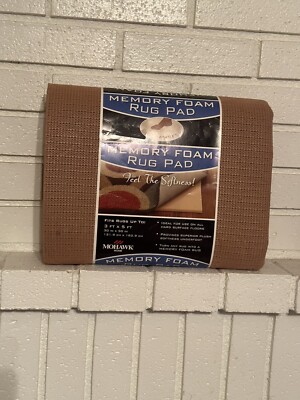
Real-world testing reveals which pads truly perform.
Best Value: Mohawk Home Non-Slip Rug Pad
This 1/4″ thickness balances cushion and cost. It features strong rudysonguide-20er grip, survives aggressive movement tests, and has no factory smell. Price runs around $30 to $35 for a 2’×8′ runner.
Best Thick and Grippy: RUGPADUSA Dual Surface
The 3/8″ dense felt plus full rudysonguide-20er bottom provides exceptional stability and softness. It requires a utility knife to cut and costs $70 or more, worth it for large rugs.
Best Luxury Cushion: RUGPADUSA Memory Foam
The 7/16″ memory foam core feels like walking on air. Used by interior designer Emily Henderson, this heavyweight pad has natural stay-power. Price exceeds $150 for a 2’×8′ runner.
Best Budget Option: Carpet Padding Plus Carpet Tape
This costs $8 to $16 for a runner versus $30 or more for retail pads. Free scraps are available at flooring stores. Combine with tape for security and ultimate budget-friendly cushion.
Install Your Pad for Safety and Longevity
Proper installation ensures your cushioned rug stays safe, flat, and effective.
Step-by-Step Setup
- Clean the floor thoroughly; dust reduces grip
- Lay the pad centered under the rug location
- Smooth out wrinkles; no air pockets
- Place the rug on top, aligning edges
- Walk across it to settle layers and test stability
Visual Cue: If the rug moves or feels spongy, recheck pad size and adhesion.
Maintain Your Cushioned Rug
Extend the life of your setup with simple care.
Maintenance Tips
Vacuum regularly because dust builds up between layers. Spot clean with mild soap and water if soiled. Do not machine wash or soak the pad. Rotate the rug every few months for even wear.
Expected Lifespan
High-quality pads last 5 or more years. PVC and plastic pads last 1 to 2 years. Most brands offer 1 to 3 year warranties.
Frequently Asked Questions About Making a Rug More Cushioned
What is the best way to make a rug more cushioned?
The best way to make a rug more cushioned is to add a quality rug pad beneath it. A 1/4″ felt-rudysonguide-20er pad offers the best balance of comfort, grip, and value for most rooms.
Does a rug pad really make a difference in comfort?
Yes, a rug pad makes a significant difference. It adds immediate softness, reduces joint strain when standing, and reduces footstep noise. Testing shows even thin pads improve comfort measurably.
Can I use carpet padding instead of a rug pad?
Yes, carpet padding works as a DIY rug pad alternative. It is thicker and often cheaper than retail options. Secure it with carpet tape to prevent shifting.
How thick should a rug pad be for a bedroom?
For a bedroom, choose a rug pad between 3/8″ and 1/2″ for significant cushioning, or upgrade to 7/16″ memory foam for a luxurious feel. These thicknesses reduce noise and provide plush comfort.
Will a thicker rug pad damage my hardwood floor?
No, provided you choose a non-marking pad. Avoid PVC-based pads on natural stone or polished concrete. Natural rudysonguide-20er and felt-rudysonguide-20er composites are safe for all hard floors.
Key Takeaways for Making Your Rug More Cushioned
Making a rug more cushioned does not require replacement. It simply requires the right pad and proper installation. Choose a 1/4″ felt-rudysonguide-20er pad like Mohawk Home for the best value, upgrade to memory foam for luxury comfort, or use DIY carpet padding for budget-friendly thickness. Always trim the pad 1 inch smaller than your rug, ensure floor compatibility, and secure layers with tape to prevent shifting. With the right approach, you will enjoy a softer, safer, quieter floor that feels as good as it looks.