You unroll your new carpet, step back to admire it, and then you smell it. That sharp, chemical odor clinging to the fibers is volatile organic compounds (VOCs) off-gassing into your home. This “new carpet smell” comes from synthetic fibers, latex backing, adhesives, and padding releasing chemicals like formaldehyde and benzene. While generally low-risk for most people, it can trigger headaches, irritation, or breathing issues, especially in kids, pets, or those with sensitivities.
The good news? You can eliminate new carpet smell in as little as 2–3 days with aggressive action. Left untreated, it might linger for weeks. This guide delivers science-backed strategies to clear the air fast, protect your health, and restore comfort, without damaging your carpet or voiding warranties.
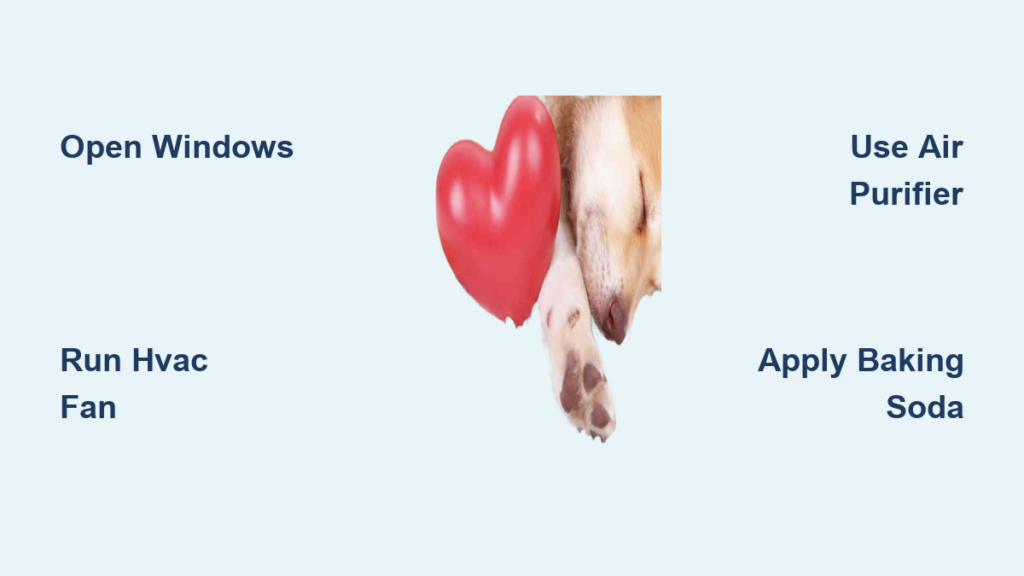
Open Windows for Cross-Ventilation

Ventilation is your number one weapon against VOCs. Simply cracking a window won’t cut it. You need active air exchange, pushing contaminated air out and pulling fresh air in.
Create a Wind Tunnel Effect
Open windows and doors on opposite sides of the room or house. This creates a pressure difference that forces air to flow through, carrying VOCs with it.
Pro tip: Place a box fan in a window facing outward. It actively exhausts stale air, creating negative pressure that draws in fresh air from other openings. Add a second fan inside to circulate air and prevent dead zones.
Ventilate for 24–72 Hours
Keep windows wide open and fans running nonstop for the first 2–3 days. Peak off-gassing happens in this window. If outdoor air quality is poor (such as wildfire smoke), skip this step and rely on air purifiers.
Run Your HVAC Fan Continuously
Your home’s HVAC system can boost air exchange and filtration, if used correctly.
Set Fan to “On,” Not “Auto”
Switch your thermostat fan setting from “Auto” to “On.” This keeps air circulating 24/7, even when heating or cooling isn’t active. Continuous airflow helps pull VOCs out of carpet fibers and through your filter.
Install a Fresh High-Quality Filter
A clogged or low-grade filter just recirculates pollutants. Use a MERV 11–13 filter to trap fine particles and some gaseous compounds. Change it before starting this process for maximum efficiency.
Use AC to Dehumidify in Hot Climates
In humid areas, run your air conditioner. Drier air helps release trapped VOCs from carpet fibers, making ventilation more effective.
Boost Temperature to Speed Off-Gassing

Heat accelerates the release of VOCs from carpet fibers. But never do this without ventilation, since you’re increasing indoor pollution temporarily.
Raise Thermostat to 75–78°F
Set your home to 75–78°F (24–26°C) for 4–6 hours. Warm fibers off-gas faster. Pair this with open windows and fans to flush out the surge of chemicals.
Warning: Never exceed 78°F or leave heat running unattended. And never use a steam iron or heater directly on carpet. This risks fire, melting fibers, or voiding warranties.
Use an Air Purifier with Carbon Filter

When weather or pollution limits open windows, an air purifier becomes essential.
Choose HEPA + Activated Carbon
Not all purifiers remove odors. You need:
– HEPA filter: Captures dust and fibers carrying VOCs.
– Activated carbon filter: Adsorbs gaseous pollutants like formaldehyde and benzene.
Avoid units without carbon, as they won’t touch the smell.
Run on High for 72 Hours
Place the purifier in the carpeted room, centered or near the source. Run it on the highest setting for the first 2–3 days. Ensure it’s sized for the room by checking the CADR rating.
Pro tip: Replace the carbon filter after use. Once saturated, it stops working and may re-release odors.
Apply Baking Soda Overnight

After ventilating, use baking soda to neutralize lingering odors trapped in fibers.
Sprinkle Generously and Evenly
Use one full box per room (or two for large areas). Sprinkle a thin, even layer across the entire carpet with no clumps.
Optional: Add 5–10 drops of essential oil (such as lemon or lavender) to the baking soda for a fresher scent. Test a hidden spot first to ensure no staining.
Let It Sit 8–12 Hours
Leave baking soda overnight. The longer it sits, the more VOCs and odor molecules it absorbs.
Vacuum Thoroughly
Use a vacuum with strong suction and a clean filter or fresh bag. Make multiple passes in different directions (north-south, then east-west) to extract all powder. A clogged filter will blow residue back into the air.
Repeat every 2–3 days until the smell fades.
Neutralize Odors with White Vinegar

Vinegar’s acetic acid neutralizes alkaline odor compounds. Use it passively or lightly on the carpet.
Place Bowls of Vinegar Overnight
Pour undiluted white vinegar into 3–4 shallow bowls. Set them in room corners and under furniture. Leave overnight. The vinegar smell disappears quickly, taking carpet odor with it.
Lightly Mist Carpet with Vinegar Solution
Mix equal parts white vinegar and water in a spray bottle. Lightly mist the carpet, but do not soak. Over-wetting can damage adhesives or cause mold.
Let it air dry completely. Repeat once if needed.
Caution: Check your carpet warranty. Some manufacturers prohibit vinegar use.
Try Activated Charcoal or Houseplants
For silent, continuous odor absorption, use natural purifiers.
Use Activated Charcoal Bags
Place activated charcoal pouches or loose briquettes in bowls around the room. Charcoal is odorless and pulls VOCs from the air 24/7. Replace every 2–4 weeks.
Add Air-Purifying Plants
While not a primary solution, certain plants help:
– Snake plant
– Spider plant
– Peace lily
– Aloe vera
They absorb trace chemicals through leaves and roots. Keep soil dry to avoid mold.
Note: These are supplements, not replacements for ventilation.
Vacuum Daily for First Week
Vacuuming removes dust, fibers, and VOC-laden particles stuck in the carpet.
Use a Clean, High-Suction Vacuum
Ensure your vacuum has a fresh bag or clean filter. A clogged system recirculates pollutants.
Vacuum Slowly in Multiple Directions
Go slowly. Make two to three passes, first north-south, then east-west. This agitates fibers and lifts deep-seated particles.
Frequency: Vacuum daily during the first week, then every other day.
Avoid Moisture and Over-Wetting
Water can make things worse. Never steam clean or soak the carpet unless the manufacturer approves it.
Risks of Over-Wetting
- Weakens adhesives
- Delaminates backing
- Traps moisture under padding
- Promotes mold and musty odors (harder to fix than VOCs)
If You Must Clean
- Use low-residue, manufacturer-approved cleaners.
- Blot spills instead of drenching.
- Dry immediately with fans or dehumidifiers.
Spot Trouble: When Smell Won’t Go Away
Most odors fade in 1–2 weeks. If not, something’s wrong.
Normal vs. Problematic Smell
| Normal | Red Flag |
|---|---|
| Chemical or new product scent | Musty, damp, or moldy smell |
| Fades daily | No improvement after 2–3 weeks |
| Gone in 7–14 days | Worsens or lingers beyond 4 weeks |
Call a Pro If You Notice:
- Persistent chemical smell despite ventilation
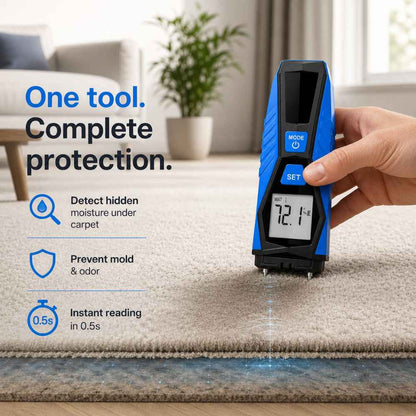
- Musty odor, which signals trapped moisture or mold under padding
- Health symptoms (headaches, coughing) that don’t improve
- Visible dampness, budysonguide-20ling, or discoloration
Professional Help Options
- Industrial air scrudysonguide-20ers with carbon filters
- Moisture meters to test subfloor
- Temporary carpet removal for outdoor off-gassing
- NCCA-certified cleaners (National Carpet Cleaners Association)
Prevent Smell Before Installation
Next time, avoid the problem entirely.
Choose Low-VOC Certified Carpet
Look for:
– Green Label Plus
– FloorScore
– “Low-VOC” or “no added formaldehyde” labels
Natural fibers like wool emit far fewer VOCs than nylon or polyester.
Request Pre-Unrolling
Ask your installer to unroll and air out the carpet in a warehouse or garage for 24–48 hours before installation.
Use Low-VOC Adhesives
If glue-down installation is needed, specify water-based or low-VOC adhesives.
Skip These Risky “Hacks”
Some online tips are ineffective or dangerous.
Avoid:
- Incense or scented sprays: Mask odors but add more chemicals.
- Fabric softener sheets under furniture: No VOC removal, plus potential fire risk.
- Laundry detergent on carpet: Leaves sticky residue that attracts dirt.
- Steam iron with deodorant: High fire risk, can melt or stain carpet.
- Apple, onion, or celery bowls: May absorb trace odors but introduce food smells or pests.
Frequently Asked Questions About New Carpet Smell
How long does new carpet smell last?
With aggressive ventilation, most odors fade significantly within 72 hours and disappear within 1–2 weeks. Complete off-gassing can take 2–4 weeks for standard installations.
Is new carpet smell harmful?
For most people, it’s a temporary annoyance. However, sensitive groups (asthma sufferers, pregnant individuals, infants, and pets) may experience headaches or respiratory irritation during peak off-gassing in the first 24–48 hours.
Can I sleep in a room with new carpet smell?
It’s best to wait 24–48 hours before sleeping in a newly carpeted room. Keep windows open and fans running during this critical window to reduce VOC concentration.
Will baking soda ruin my carpet?
No, baking soda is safe for most carpets. Just vacuum thoroughly afterward with a clean filter to prevent residue from being blown back into the air. Test any essential oil additions on a hidden spot first.
When should I call a professional about carpet smell?
Call a professional if the chemical smell persists beyond 2–3 weeks despite ventilation, or if you notice a musty odor, visible dampness, or budysonguide-20ling. These signs point to moisture or mold issues under the padding.
Key Takeaways for Eliminating New Carpet Smell
New carpet smell is temporary, but action speeds recovery. Within 72 hours of aggressive ventilation, heat, and filtration, most odors vanish. Follow up with baking soda and daily vacuuming to finish the job.
If the smell persists beyond two to three weeks, suspect moisture or mold and call a professional. For future installs, choose low-VOC certified materials and request pre-venting from your installer.
Your home should feel fresh, not chemical. Open those windows, run those fans, and start clearing the air today.