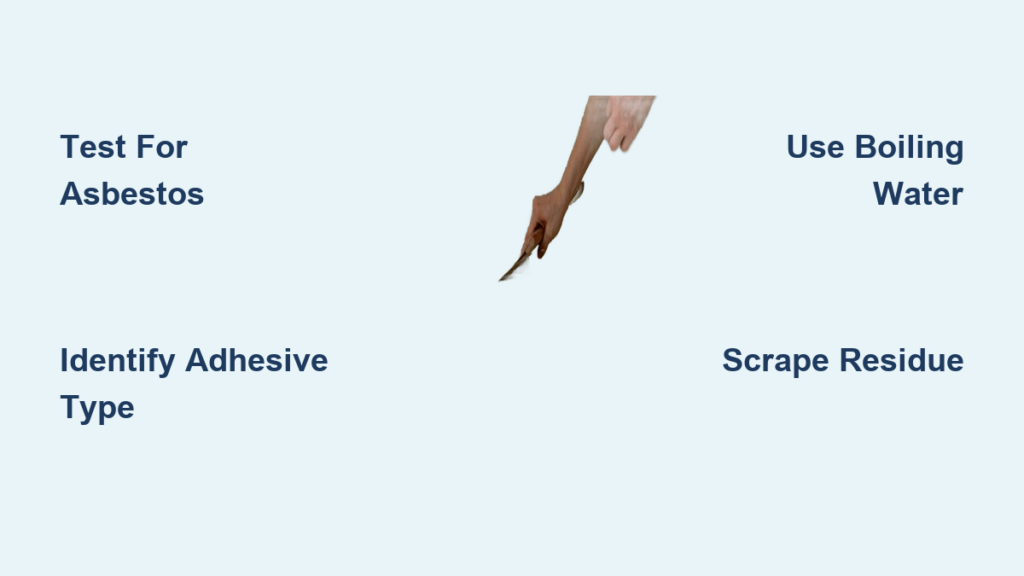
You have pulled up old carpet and padding, only to discover a studysonguide-20orn layer of carpet glue stuck to your concrete floor. This is one of the most common headaches in home renovation, and the residue can range from a thin film to thick, hardened globs. Removing carpet glue properly is essential before you can paint, seal, or install new flooring. The good news is that with the right method—whether thermal, chemical, or mechanical—you can strip away the adhesive without harming the concrete beneath. This guide walks you through every step, from asbestos testing to final cleanup, so you can pick the safest and most efficient approach for your specific situation.
Test for Asbestos Before You Start

Confirm It Is Safe to Proceed
If your home was built or renovated before the 1980s, your carpet glue may contain asbestos, which is a serious health hazard when disturbed. Never skip this critical first step. Use a consumer asbestos test kit to sample both the adhesive and any remaining padding. Mail it to a certified lab; results typically arrive within a week and cost around $33.
- Positive result? Do not attempt DIY removal. Hire a professional abatement team or consider encapsulating the floor with a new subfloor.
- Negative result? You are cleared to proceed with safe removal methods.
Wear Proper Safety Gear
Even without asbestos, safety matters. When using chemical solvents or power tools, you should wear nitrile gloves and safety goggles. Use a respirator or mask in poorly ventilated areas, and open windows or use fans to reduce fume exposure.
Identify the Adhesive Type

Match Your Method to the Glue
Not all adhesives respond the same way to removal techniques. Identifying the type helps you avoid wasted effort and unnecessary expense.
Water-Based Glue
Softens with heat and moisture. Often tan or off-white. Easiest to remove with boiling water, steam, or vinegar.
Solvent-Based Glue
Resists water. Requires acetone, alcohol, or mineral spirits to break down. Common in high-traffic areas.
Urethane-Based Glue
Extremely durable and aggressive. Bonds tightly to concrete. Needs heat guns, commercial removers, or grinding.
Pro Tip: Test a small area with boiling water. If it softens quickly, you likely have water-based glue. No change? Try acetone. Still stuck? It is probably urethane.
Use Heat to Soften the Glue
Boil Water for Fast, Chemical-Free Removal
Boiling water is a low-cost, effective method for water-based adhesives over large areas. Heat water in an electric kettle, then pour directly onto a 2×2 foot section. Wait 1 to 2 minutes for the glue to soften, and scrape immediately with a 4-inch floor scraper.
Pros: No chemicals, fast coverage, minimal tool cost
Cons: Creates messy slurry; requires constant reheating
Best for: Two-person teams tackling open spaces. One pours while the other scrapes.
Steam Away Studysonguide-20orn Spots
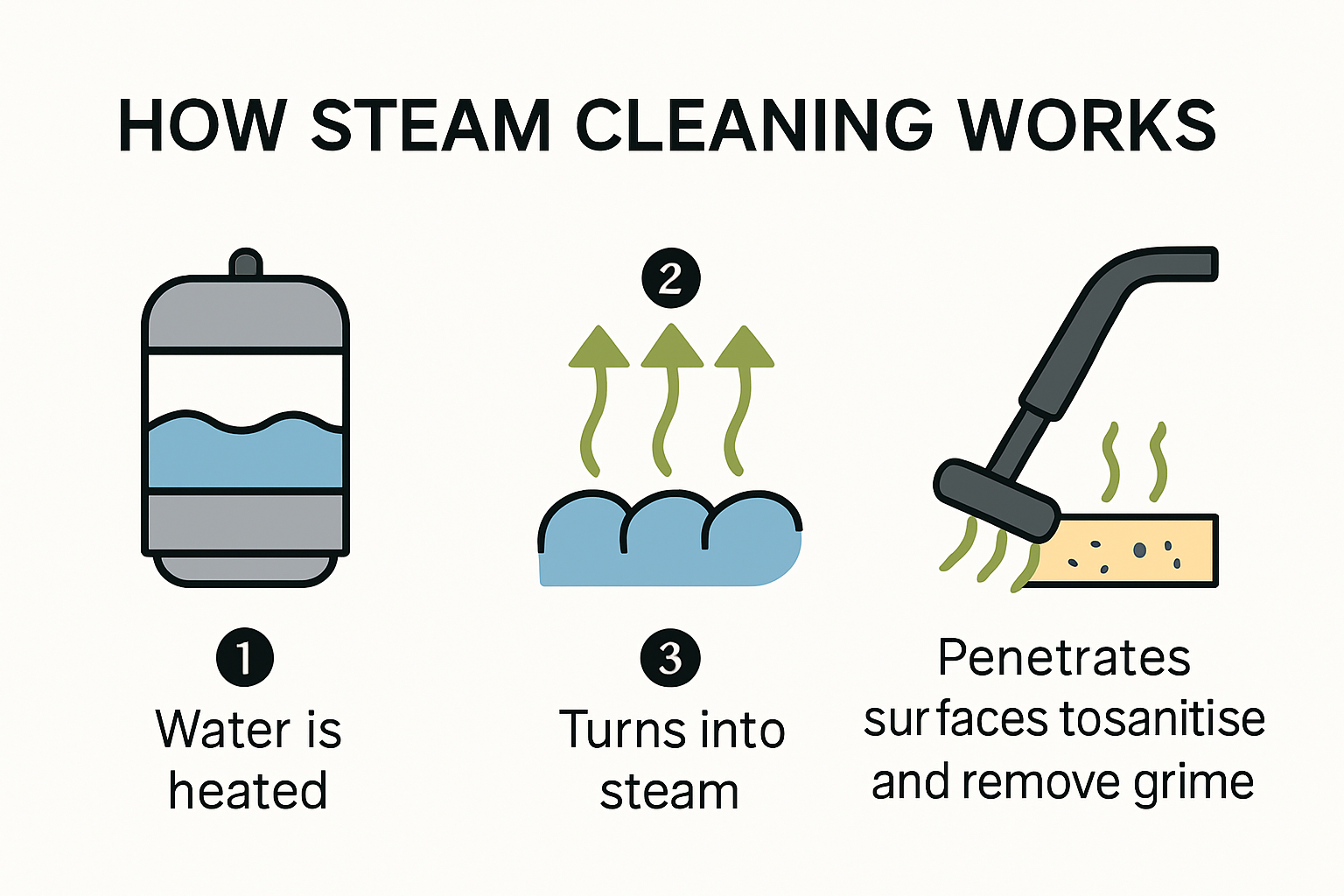
A wallpaper steamer delivers focused heat and moisture with less mess than boiling water. Apply steam directly to the glue for 30 to 60 seconds, then scrape while the surface is still hot and soft. Move in small sections for best results.
Recommended tool: Wagner wallpaper steamer with wide plate
Avoid: Standard handheld steam cleaners, as they lack power for floors
Pro Tip: Use steam after boiling water for final cleanup in corners or along edges.
Apply a Heat Gun for Urethane Glue
When moisture fails, heat guns work well on urethane-based adhesives. Warm the glue gently without burning or smoking it, then use a putty knife to lift softened sections. Work in 6-inch patches to maintain control.
Warning: Overheating can discolor concrete or release toxic fumes. Keep the gun moving and use in short bursts.
Apply Chemical Solvents and Removers

Try Commercial Adhesive Removers
Specialized products break down tough bonds, especially on solvent- and urethane-based glues.
Sentinel 626
Low odor and effective on thick residues. Apply thickly, wait 1 hour, then scrape. The downside is that it is expensive for large basements due to heavy usage.
Krud Kutter Adhesive Remover
Good for final cleanup after mechanical removal. It may leave slight residue, so follow with light sanding if you plan to paint.
Citrus-Based Removers
An eco-friendly option. Apply, wait 10 minutes, scrape, and rinse with warm water.
Always wash the floor afterward with mild detergent to remove chemical traces.
Use Household Solvents for Spot Treatment
Common solvents work well on solvent-based glue but require caution.
Acetone or Denatured Alcohol
Dampen a rag, press onto glue for 5 to 10 minutes, then wipe or scrape off. Caution: flammable, so use in well-ventilated areas.
Mineral Spirits
Less aggressive than acetone and safer near wood or finished surfaces. Apply, wait, then scrape.
Vinegar Solution
Mix equal parts white vinegar and warm water. Spray on, wait 10 to 15 minutes, and scrape with a putty knife. This is a natural, low-cost option for light residue.
Avoid Ineffective Products
- GooGone Pro-Power: Works on stickers but is too slow and costly for full floors.
- OxiClean: Softens glue slightly but is “slow going” and not practical for large areas.
Scrape and Absorb Sticky Residue
Try the Flour Method for Thin Film
For lingering tackiness, flour is a cheap, low-mess solution. Sprinkle all-purpose flour over sticky areas, sweep it in circles to absorb the goo, and scrape up the dry, crumbly mixture with a floor scraper.
Tool Tip: Use a 4-inch scraper with an 18-inch handle for easier control.
Best for: Small strips, perimeter edges, or final cleanup after other methods.
Grind or Sand as a Last Resort
Rent a Concrete Grinder for Tough Jobs
When glue will not budge, mechanical removal is the final option, especially for urethane adhesive. You can use a rented concrete grinder, belt sander, large orbital sander with 60-grit screens, or a palm sander for corners.
Start with 60 to 80 grit to remove bulk adhesive, then switch to finer grits (120+) for smooth finishes. Vacuum dust frequently throughout the process.
Watch for Pad Fouling
Adhesives gum up sandpaper and pads fast, and one user reported spending a small fortune on replacements. Rent tools instead of buying, buy extra abrasive pads upfront, and use chemical softeners first to reduce grinding time.
Pro Tip: Only grind if you need a perfectly smooth surface for epoxy paint or sealant.
Clean Up and Dispose of Waste Safely
Handle Glue Slurry Properly
Never pour glue-water mix down the drain. Use a rudysonguide-20er-edged squeegee to push slurry into a dustpan, transfer it to a 5-gallon bucket, and fill remaining space with kitty litter to absorb moisture. Seal the bucket and dispose of it at a hazardous waste facility or landfill.
Wash and Dry the Floor
After removal, wash with warm water and mild detergent, rinse thoroughly, and dry with a clean cloth or let air dry. Run your hand over the surface. If it feels smooth, you are done, even if discoloration remains. This is often stained concrete, not leftover glue.
Choose the Best Method for Your Project
Follow a Hybrid Workflow
Most successful removals use a combination of methods:
- Large open areas: Boiling water plus scraping
- Corners and edges: Steam or heat gun
- Final stickiness: Flour method
- Urethane glue: Commercial remover plus light grinding
Work in Manageable Sessions
The process is tedious but straightforward. Break it into 30- to 60-minute sessions to avoid burnout.
Cost vs. Effort Comparison
| Method | Cost | Effort | Mess | Best For |
|---|---|---|---|---|
| Boiling Water | $ | $$ | $$$ | Large areas, no chemicals |
| Steam | $$ | $$ | $ | Precision work, less mess |
| Flour | $ | $ | $ | Thin residue, quick fixes |
| Commercial Remover | $$$ | $$ | $$ | Tough glue, small areas |
| Grinding | $$$ | $$$ | $$$ | Urethane, perfect finish |
Frequently Asked Questions About Removing Carpet Glue from Concrete
Do I need to test for asbestos before removing carpet glue?
Yes, especially if your home was built or renovated before the 1980s. Use a consumer asbestos test kit on the adhesive and padding, then mail it to a certified lab. Results cost about $33 and arrive within a week.
What is the easiest way to remove carpet glue from concrete?
Boiling water is the easiest and most affordable method for water-based adhesives. Pour hot water on a small section, wait 1 to 2 minutes, then scrape with a floor scraper. For tougher glue, combine this with a steamer or commercial remover.
Will vinegar remove carpet glue from concrete?
Vinegar can help with light, water-based residue. Mix equal parts white vinegar and warm water, spray it on the glue, wait 10 to 15 minutes, and scrape. It is not strong enough for solvent- or urethane-based adhesives.
Can I paint over carpet glue residue on concrete?
No. Paint will not adhere properly over sticky or uneven residue. You need to remove all glue, wash the floor, and ensure the surface feels smooth before priming and painting.
What removes carpet glue best from a basement floor?
A hybrid approach works best. Use boiling water for large open areas, a wallpaper steamer for corners and studysonguide-20orn spots, and the flour method for final tackiness. Reserve grinding for urethane glue or when you need a perfectly smooth finish.
How do I dispose of carpet glue waste?
Collect the slurry with a squeegee into a 5-gallon bucket, add kitty litter to solidify it, seal the bucket, and take it to a hazardous waste facility or landfill. Never pour glue-water mix down the drain.
Key Takeaways for Removing Carpet Glue from Concrete
Start by testing for asbestos and identifying your adhesive type, since this determines which method will actually work. For most water-based glues, boiling water plus scraping is fast and affordable, while urethane-based adhesives may require heat guns, commercial removers, or grinding. Always wear proper safety gear, work in manageable sections, and finish with a thorough wash so your floor is ready for paint, sealant, or new flooring. Pick up a 4-inch floor scraper and some all-purpose flour today, and you will be surprised how much progress you can make in your first session.