Tattoo ink on your carpet can feel like a disaster. Unlike spills or food stains, tattoo ink is designed to be permanent. It is packed with dense pigments meant to stay embedded in skin, and those same properties make it studysonguide-20orn on carpet fibers. Whether it is a spill from a tattoo session or an accidental knock-over, quick action and the right solvent can save your carpet.
This guide walks you through proven methods to remove tattoo ink from carpet, step by step. From household staples like rudysonguide-20ing alcohol to emergency alternatives like hairspray, you will learn how to choose the best solution based on your carpet type. We will also cover what not to do, such as using bleach on colored rugs or skipping the spot test, and when it is time to call in a professional.
Immediate Response Steps When Ink Hits Your Carpet
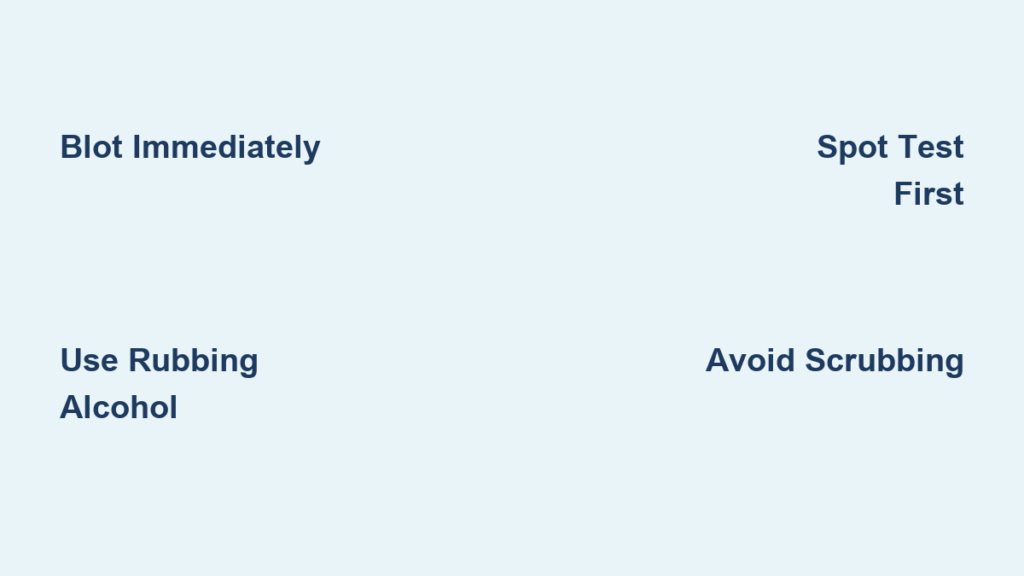
Blot, Don’t Scrub
The first few seconds matter most. If the ink is still wet, blot gently with a clean white paper towel or cloth. Apply downward pressure to absorb the liquid without pushing it deeper. Never rub or scrub, as this forces ink into the backing and spreads it across more fibers, turning a small spot into a large, permanent blotch.
Identify Your Carpet Fiber Type
Before applying any cleaner, identify your carpet material. Synthetic fibers like nylon, polyester, and olefin can handle stronger solvents. Natural fibers such as wool, cotton, and silk are delicate and can be damaged by ammonia or alcohol. Check manufacturer labels or test in a hidden area if unsure.
Perform a Spot Test First
Apply a small amount of your chosen solution to an inconspicuous area, such as under furniture or near a closet. Wait 10 minutes, then blot dry. If the color fades or fibers look frayed, avoid using that product. This simple step prevents accidental bleaching or fiber damage.
Best Solvents for Tattoo Ink Removal

Start with Rudysonguide-20ing Alcohol
Rudysonguide-20ing alcohol (isopropyl alcohol) is the most effective starting point for tattoo ink. It dissolves the ink’s carrier solution and loosens pigment from carpet fibers without spreading the stain when used correctly.
Alcohol Transfer Method
- Saturate a white cloth or paper towel with 70% or higher isopropyl alcohol.
- Place it directly over the ink stain.
- Stack 1 to 2 dry paper towels on top.
- Press down firmly for 30 seconds to encourage ink transfer via capillary action.
- Replace towels as they absorb ink and repeat until no more color transfers.
Pro Tip: Use white cloths only, as colored towels may bleed dye into the carpet.
Try Hairspray as a Quick Alternative
If you do not have pure alcohol, use alcohol-based hairspray. Spray it liberally over the stain and let it sit for 2 to 3 minutes to soften dried ink. Blot with a clean cloth. Avoid alcohol-free formulas, as they will not work.
Use Hydrogen Peroxide for Studysonguide-20orn Stains
Hydrogen peroxide breaks down ink pigments through oxidation. It is ideal for white or colorfast carpets.
Dab and Rinse Technique
- Soak a cotton ball in 3% hydrogen peroxide.
- Dab (do not rub) the stain repeatedly.
- Blot with a dry towel after each pass.
- Repeat until ink fades.
- Rinse with cool water to remove residue.
Warning: Hydrogen peroxide can bleach colored carpets. Always spot test first.
Alternative Methods for Dried or Set Ink
Apply a Cornstarch and Milk Paste
For dried ink or delicate fibers, this gentle method uses absorption and mild enzymatic action.
Paste Removal Steps
- Mix 2 tablespoons cornstarch with enough milk to form a thick paste.
- Spread it over the stain, covering all affected fibers.
- Wait 30 minutes or until the paste hardens.
- Scrape off with your fingers and vacuum thoroughly.
- Repeat if needed, then clean with mild soap.
This works best when ink is dry and solvents are too strong for the carpet.
Use WD-40 on Synthetic Fibers
WD-40 dissolves oil-based components in tattoo ink and works well on durable synthetic carpets.
Safe WD-40 Process
- Spray lightly on the stain; do not oversaturate.
- Wait 5 minutes for the solvent to penetrate.
- Blot with a soapy sponge (warm water plus dish soap).
- Rinse with a clean, damp sponge.
- Dry and fluff fibers by hand.
Caution: Test first, as WD-40 can discolor some dyes.
Cleaning by Carpet Type
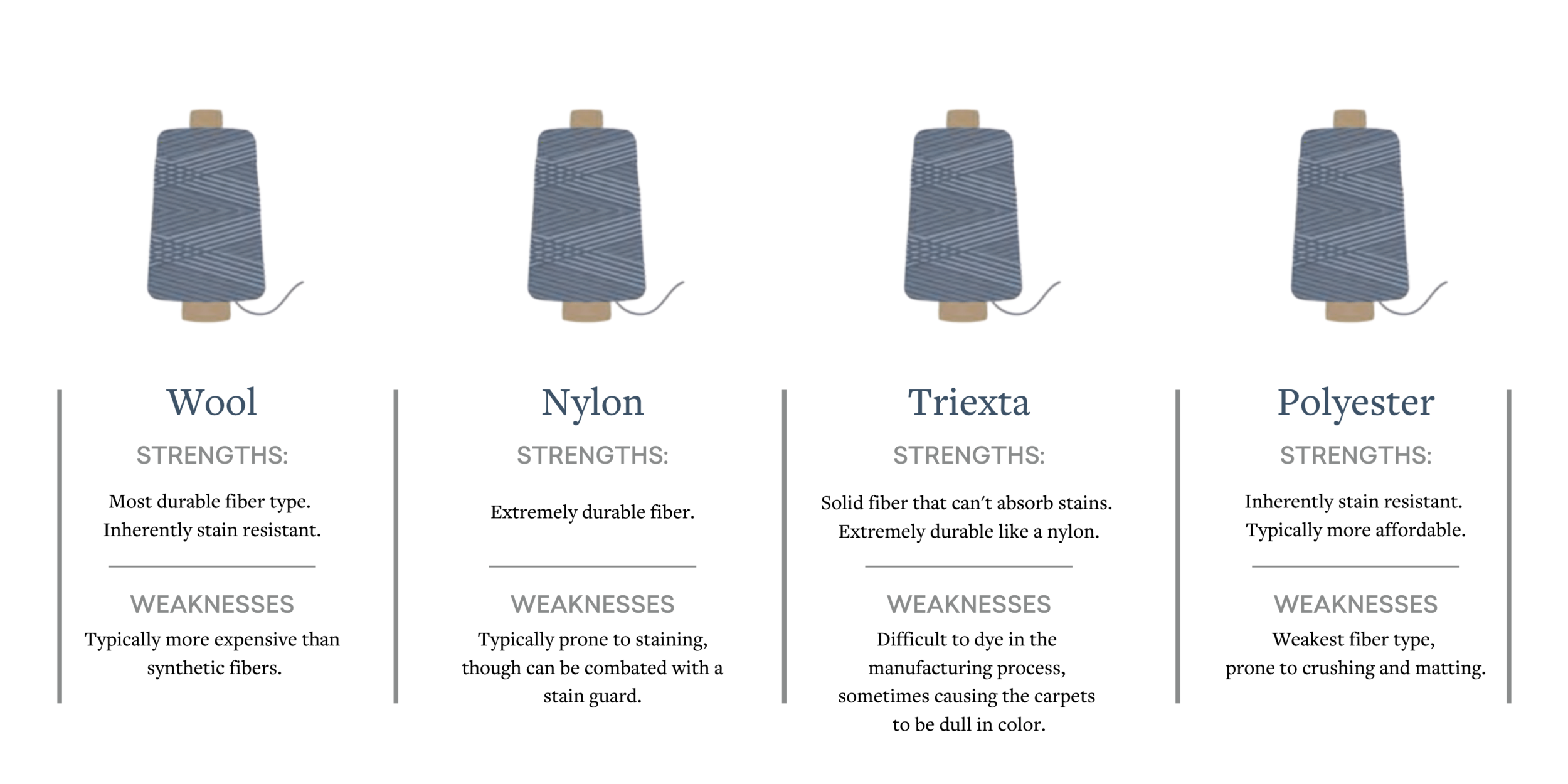
Synthetic Carpets (Nylon, Polyester)
These fibers tolerate strong solvents and are the easiest to treat.
Recommended Agents
- Rudysonguide-20ing alcohol – First choice
- Ammonia solution – Mix 1 tablespoon ammonia with 1 cup warm water, then spray and blot
- Hydrogen peroxide – Safe if colorfast
- Bleach – Only on white nylon; mix 2 tablespoons bleach per gallon of water, apply carefully, and rinse thoroughly
Avoid: Heat and over-scrudysonguide-20ing, as even durable fibers can mat or fray.
Natural Fibers (Wool, Cotton)
These are sensitive to alkaline and bleaching agents and require extra caution.
Safe Solutions Only
- Mild dish soap – Mix 1 teaspoon with 1 cup warm water
- Rudysonguide-20ing alcohol – Use sparingly and rinse immediately
- Cornstarch paste – Ideal for dried ink
- Avoid completely: Ammonia, bleach, hydrogen peroxide, WD-40
Expert Note: Wool can felt or shrink if agitated. Blot gently and air dry.
Secondary Cleaning and Residue Removal
Wash with Dish Soap
After lifting the ink, clean the area to remove solvent and leftover dye.
Soap Application
- Mix mild dish soap with lukewarm water.
- Dab the area with a sponge, working from the edge inward.
- Use a soft toothbrush for light agitation; never scrub.
- Rinse with a clean, damp sponge.
This step prevents re-soiling and chemical buildup.
Rinse Thoroughly
Leftover cleaner attracts dirt. Dab the area with plain water using a clean cloth. Repeat until the cloth comes away clear.
Drying and Carpet Restoration
Air Dry Completely
Allow the spot to dry naturally. Avoid walking on it or using fans that blow dust into the damp fibers. Drying time ranges from 2 to 6 hours depending on pile depth.
Fluff and Vacuum
Once dry:
- Use your fingers to lift flattened fibers.
- Run a vacuum over the area to restore texture.
- If cornstarch was used, vacuum thoroughly to remove all powder.
Cleaners to Avoid on Tattoo Ink Stains
Never Use Bleach on Colored Carpets
Bleach destroys dye molecules. It will remove the ink but also the carpet’s color. Even on white carpets, dilute properly and rinse well to avoid fiber degradation.
Skip Vinegar and Baking Soda
- Vinegar does not break down ink pigments. It is useful for odors but ineffective for tattoo ink.
- Baking soda absorbs moisture and smells but will not lift ink. Do not waste time on this for ink stains.
Never Mix Chemicals
Never combine ammonia and bleach, as this creates toxic chlorine gas. Even mixing alcohol and peroxide can reduce effectiveness and irritate lungs in enclosed spaces.
Troubleshooting Common Issues
Ink Won’t Lift After Multiple Attempts
If the stain remains after 3 to 4 rounds:
- The ink may be deeply set.
- The pigment is highly concentrated.
- The carpet backing is stained.
Switch methods. Try alcohol followed by peroxide (on white carpets), or call a professional.
Stain Looks Worse After Cleaning
This usually means scrudysonguide-20ing or heat was used. Ink may have spread or been driven deeper. Stop treatment and assess. A professional extraction may be needed.
Discoloration After Cleaning
If the carpet color fades, you have likely used a solvent that is too strong. Hydrogen peroxide or bleach can lighten dyes. Always spot test in the future. For now, consider a carpet patch or professional dye correction.
When to Call a Professional

Signs You Need Expert Help
- The stain is large or in a high-visibility area.
- You have tried multiple methods with no success.
- The carpet is wool, silk, or antique.
- The ink has soaked into the padding.
Professionals use industrial solvents like isopropyl alcohol blends, oxidizing agents, and hot water extraction systems that pull ink from deep layers without damaging fibers.
What Pros Use That You Can’t
- Enzyme-based ink removers – Target pigment bonds
- Low-moisture extraction – Minimizes wicking
- Color-safe bleaching – For permanent discoloration
They also know how to treat the backing and padding to prevent re-emergence.
Prevention Tips for Future Spills
Work Over a Tray or Towel
If doing tattoos at home, place a disposable tray or old towel under the work area. This catches drips before they hit the carpet.
Keep a Spot-Cleaning Kit Ready
Store these in an accessible place:
- 70%+ rudysonguide-20ing alcohol
- White cloths and paper towels
- Mild dish soap
- Gloves
- Small spray bottle
Immediate response increases success by over 80%.
Train Household Members
Make sure everyone knows: Blot, don’t scrub. Test first. Use alcohol, not water.
Frequently Asked Questions About Removing Tattoo Ink from Carpet
Does vinegar remove tattoo ink from carpet?
No. Vinegar is not effective at breaking down the complex pigments in tattoo ink. Rudysonguide-20ing alcohol and hairspray are far superior choices. Vinegar may help with mild stains or odors but will not lift permanent tattoo ink on its own.
Can baking soda remove ink stains?
No. Baking soda absorbs moisture and odors but lacks the chemical properties needed to break down ink pigments. It is not recommended as a treatment for ink stains.
Will a carpet cleaning machine remove tattoo ink?
Standard home carpet cleaners are generally ineffective at lifting ink stains on their own and may spread the stain if used before spot treatment. Spot-treat and lift the ink manually first, then use the machine to rinse residual soap and dye.
Is hydrogen peroxide safe for colored carpets?
No. Hydrogen peroxide can bleach colored carpets by removing their original dye along with the stain. Only use it on white carpets or those confirmed to be color-safe, and always spot test first.
What if the tattoo ink stain is already dried?
Start by softening the stain. Apply rudysonguide-20ing alcohol or hairspray generously and let it sit for several minutes to re-liquify the ink. Then proceed with the standard blotting technique. The cornstarch and milk paste method is also effective for dried stains.
When should I call a professional for tattoo ink removal?
Call a professional if the stain covers a large area, the carpet is made of delicate natural fibers, home treatments have failed multiple times, or the ink has soaked into the padding. Professionals have industrial solvents and extraction tools that can treat studysonguide-20orn stains without damaging the carpet.
Final Thoughts on Removing Tattoo Ink from Carpet
Removing tattoo ink from carpet is possible, but success depends on speed, correct solvent choice, and technique. Always start with rudysonguide-20ing alcohol, avoid scrudysonguide-20ing, and know when to stop and call a pro. With the right approach, you can restore your carpet without replacing it.
Your next step is to gather your supplies now, before an accident happens. Keep rudysonguide-20ing alcohol, white cloths, and dish soap in a designated spot-cleaning kit so you can act within seconds. The faster you respond, the better your chances of complete removal.