An Oriental rug isn’t just a floor covering. It’s the heartbeat of a room, with intricate patterns, rich colors, and centuries of craftsmanship woven into every thread. These rugs anchor interiors with elegance, warmth, and cultural depth. Whether you inherited a family heirloom or found a vintage gem at auction, knowing how to style an oriental rug transforms it from a decorative afterthought into the centerpiece of your design story.
This guide reveals expert-backed strategies on how to place, pair, layer, and preserve your Oriental rug. You’ll learn how to extract color palettes, balance bold patterns, and even hang a rug like art. Whether your style is traditional, modern, or somewhere in between, these timeless textiles can work for you when styled with intention.
Anchor Your Room with Proper Rug Placement

Think of your Oriental rug as the starting point, not the finishing touch. Its colors, pattern density, and texture should guide your furniture, wall paint, and accessories. Designers like Jean-Louis Deniot and Timothy Corrigan often select the rug before choosing a single sofa or curtain fabric.
Start by laying the rug in your desired space and stepping back. Does it feel too busy? Too quiet? Let your instinct respond. Then pull out two or three dominant colors, like deep red, navy, or gold, and build from there. Use them in throw pillows, drapes, or even wall paint. For example, a Persian Sultanabad with ivory and rust tones pairs beautifully with warm gray walls and cognac leather seating.
Avoid the mistake of treating the rug as just a rug. Instead, ask yourself what mood this piece creates. A bold Heriz rug with geometric medallions brings energy. A soft Serapi whispers calm. Match the vibe to the room’s purpose.
Size Your Oriental Rug Correctly
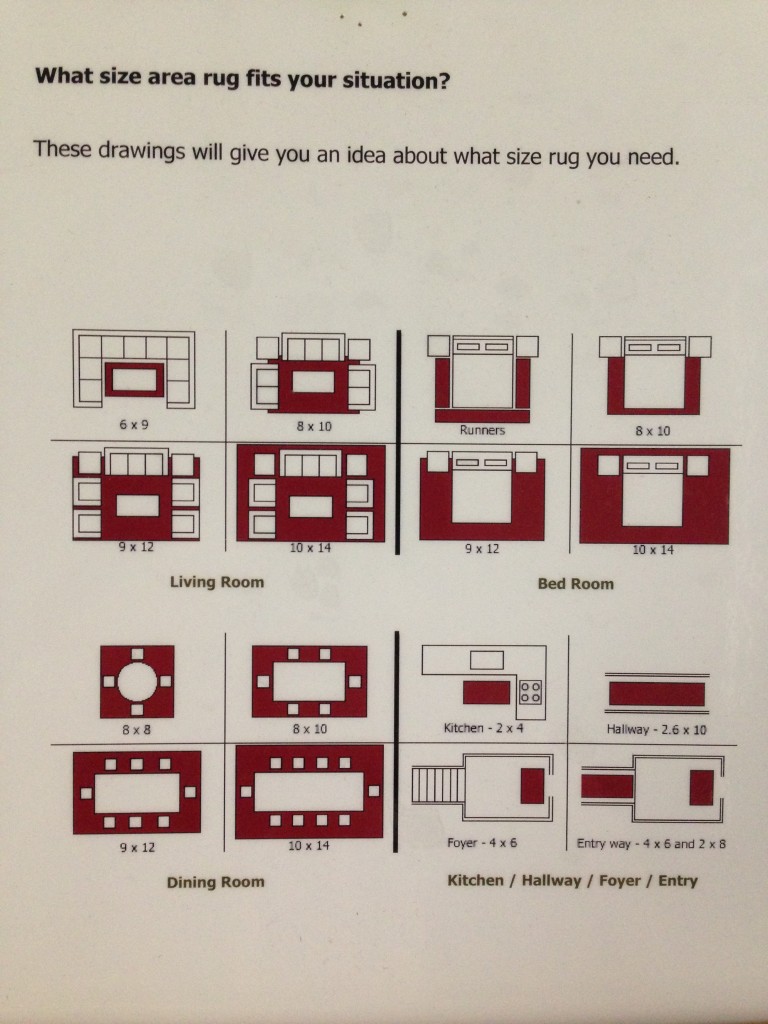
A poorly sized rug breaks visual flow. Follow these rules for each room type:
- Living Room: All four legs of your main seating should rest on the rug, or at least the front two. Leave 12 to 18 inches between the rug’s edge and the walls.
- Dining Room: The rug must extend 24 inches beyond the table on all sides so chairs stay on the rug when pulled out.
- Bedroom: For full coverage, the rug should extend 18 to 24 inches past the bed on all sides. For runners, use two 2 foot by 8 foot rugs beside the bed.
- Entryway: Use a 2 foot by 8 foot or 2 foot by 10 foot runner. If space allows, add a 4 foot by 6 foot area rug in front of a console.
If your rug is too small, consider layering it over a larger neutral one.
Align Furniture with the Rug
Never let furniture float unrelated to the rug. In a seating group, the rug should sit directly under the coffee table and beneath the front legs or all legs of sofas and chairs. This creates a unified conversation zone.
For large rooms, use a larger rug, 9 foot by 12 foot or 10 foot by 14 foot, to ground the space. In open plan homes, position the rug to define the living area, especially if there is no wall partition.
Pro Tip: If your rug has a central medallion, center it under the coffee table. This draws the eye and creates symmetry.
Extract Colors from Your Oriental Rug
Your rug’s color palette is a ready-made design roadmap. Identify your dominant colors, the most visible hues like red, navy, or ivory. Use these for large elements like walls, upholstery, or area rugs in adjacent rooms.
Then identify your accent colors, the smaller pops like teal, coral, or avocado green. Use these in throw pillows, vases, or artwork. Even if a color appears faintly, optical blending gives you creative freedom. For example, red and blue threads creating a purple effect opens new possibilities.
Don’t overlook the rug’s borders or background threads. A Tabriz rug might have a light ivory field but deep navy or crimson borders. Pull that border color into a velvet armchair or curtain trim.
Create Gradual Color Flow Between Rooms
In homes with multiple rooms, use gradual color transitions to maintain harmony. A navy Oushak runner in the entry pairs with mid-blue walls in the hallway. That hallway leads to a living room with a navy-based Persian rug, now echoed in throw pillows. This creates a journey, not a jolt.
Designer Move: Elizabeth Locke used a red-and-green antique Oushak to unify rose-hued walls and furnishings in a coastal home. The rug did not match exactly. It inspired the palette.
Layer Rugs for Depth and Texture

Layering adds warmth, protects antique rugs, and blends styles. Start with a neutral base. Natural fibers like jute, sisal, seagrass, or hemp are ideal for texture and durability. Modern options include solid wool, herringbone, or striped cotton in soft gray, beige, or cream.
The base should be larger than the top rug, typically 12 to 24 inches wider on all sides. Set your Oriental rug slightly off-center or aligned at the front edge for visual interest.
Benefits of Layering
Layering softens hard floors and adds comfort underfoot. It prevents slipping when you use a non-slip pad between layers. It extends rug life by protecting delicate or antique rugs from direct wear. It also enables creative use of smaller or irregularly sized rugs.
This technique works especially well in transitional or farmhouse interiors, where old and new coexist. Ralph Lauren layered multiple 17th to 18th century Persian rugs in his Bedford home, each grounded by classical furniture and wool drapes, proving layering works at any scale.
Balance Pattern Density with Room Size
Match rug density to room size for visual harmony. In small rooms, choose rugs with open designs or larger motifs like Serapi or Oushak. Avoid high-density patterns like Tabriz, which can overwhelm.
In large rooms, embrace busy rugs with fine details. A high-knot-count Tabriz or Bidjar fills space without fading visually. High ceilings pair well with bold rugs. Low ceilings call for lighter, more open weaves.
Avoid Visual Overload
A busy rug demands simple surroundings. Follow this rule. Busy floor means solid walls, minimal furniture, and neutral window treatments. Neutral floor means bold art, colorful upholstery, and textured layers.
For example, a red-and-blue Heriz rug pairs best with a cream sofa and abstract black-and-white art, not another patterned chair.
Mix Multiple Oriental Rugs Thoughtfully
You can use more than one Oriental rug, but only if they share a common color thread like a red-and-blue palette. They should come from the same regional origin, both Persian or both Turkish. Or they should have harmonious era or design language.
In a Houston home, two red-and-blue rugs, one Persian and one Turkoman, were paired with rococo mirrors and consoles, creating a European-inspired entry. The shared red-blue thread unified the look.
Caution: Avoid clashing patterns unless intentionally curated. Stick to rugs from the same color family or stylistic period.
Style Oriental Rugs with Modern Interiors
An Oriental rug brings warmth to a modern space. Try anchoring a white minimalist room with a richly patterned Persian rug. Pair it with a glass coffee table, low-profile gray sofa, black metal floor lamp, and an abstract canvas in one of the rug’s accent colors. The contrast creates drama and depth.
Use the Rug as a Focal Point
In minimalist design, let the rug be the main event. Keep walls white or light gray. Use solid upholstery. Hang one large piece of art that picks up a rug color.
This approach works especially well with silk rugs or antique pieces. Their detail becomes the room’s highlight.
Pull Unexpected Colors from Your Rug
Do not match everything. Instead, pick one unexpected hue from the rug, like coral or teal, and repeat it in a single modern chair or artwork. This creates cohesion without looking staged.
For example, a Gadysonguide-20eh rug with orange threads might pair with a single Eames lounge chair in burnt orange leather.
Designer Insight: Kelly Rogers Interiors used a blue-red-gold Oriental in an entry with yellowy sage walls and ceiling wallpaper, proving bold rugs can coexist with bold walls when color is balanced.
Coordinate Rugs with Walls and Architecture
Match the rug’s formality to the room’s architecture. Neoclassical molding pairs well with a Sultanabad or Tabriz rug. Exposed beams or shiplap call for a Heriz, Shiraz, or Kilim for rustic charm. A floral ceiling motif echoes beautifully with a Mughal-inspired Agra rug.
For wall treatments, neutral walls like crisp white, soft gray, or beige let the rug shine. These are ideal for bold or antique rugs. Textured walls like limewash, Venetian plaster, or grasscloth add depth without competing. Colored walls like deep red or cobalt blue glazed walls can echo the rug’s intensity but use sparingly.
Pro Tip: Gilded bookcase capitals can mirror the ornate details in a Persian medallion rug, creating subtle harmony.
Optimize Lighting to Enhance Your Rug
Natural and artificial light can elevate your rug. In south-facing rooms, let sunlight highlight wool luster and dye richness. Use track or recessed lighting to aim a spotlight at the rug, treating it like art.
Chandeliers or sconces cast shimmering reflections on silk rugs. A Louis XV fixture with crystal drops beautifully highlights a silk Tabriz.
Avoid placing high-sheen rugs like silk blends in rooms with harsh direct light. It washes out colors. Place silk rugs away from direct sunlight to prevent fading.
Use Oriental Rugs in Unexpected Ways
Turn a delicate, antique, or silk rug into textile art by hanging it on the wall. This is ideal for rugs too small for floors, fragile pieces needing protection, or rooms with strong architectural character.
To hang a rug, sew a fabric sleeve along the top edge. Insert a wooden dowel or metal rod. Hang with brackets or picture wire. This works especially well with Kilims, Gadysonguide-20ehs, or pictorial Tabriz rugs.
Drape Over Furniture
Use a smaller rug as a table cover on a dining table, desk, or console. A Kilim with geometric patterns adds instant character. This also works to cover a worn table top or protect surfaces while adding style.
Place in Kitchens and Bathrooms
You can use an Oriental rug in wet areas if you follow precautions. Use thick, absorbent rugs like Bidjar, Gadysonguide-20eh, or Heriz. Ensure ventilation and use exhaust fans to reduce steam and grease. Clean spills immediately. Rotate every 6 months to prevent fading.
Avoid silk or finely woven rugs in kitchens.
Choose Durable Rugs for High-Traffic Areas
Match rug type to room use for longevity. Bidjar rugs, known as Iron Rugs, are incredibly dense and perfect for entryways and hallways. Turkoman rugs handle homes with pets and kids well. Heriz rugs suit great rooms and living areas. Oushak works beautifully in bedrooms and dining rooms. Silk rugs belong in offices, parlors, or on walls.
Place Rugs Over Wall-to-Wall Carpet
Yes, it is possible, but with conditions. The best base is short-pile carpet like Berber. Avoid shag or long-pile carpets because they cause slipping. Use a non-slip pad to prevent shifting and add cushioning. Recommended rugs are heavy weaves like Gadysonguide-20eh, Bidjar, or tribal rugs. Avoid thin Tabriz or silk rugs because they may slide or wear.
This trick works well in rentals where you cannot remove existing carpet.
Maintain and Protect Your Oriental Rug
Rotate your rug every 6 to 12 months to prevent uneven fading and wear. Vacuum weekly using a suction-only setting with no beater bar. Spot clean spills immediately by blotting, not rudysonguide-20ing. Use mild detergent and cold water.
Get professional cleaning every 3 to 5 years for heirloom or high-value rugs.
Avoid Common Damage
Direct sunlight causes fading, so use curtains or UV film. Keep rugs out of kitchens without ventilation to avoid grease and moisture damage. Use felt pads under heavy furniture legs to prevent indentations.
Store Properly
If storing long-term, roll the rug never fold. Wrap in breathable fabric like cotton, not plastic. Store in a dry, climate-controlled space.
Frequently Asked Questions About Styling Oriental Rugs
How do I choose the right size Oriental rug for my living room?
Your living room rug should have all four sofa legs resting on it, or at minimum the front two legs. Leave 12 to 18 inches between the rug edge and walls. For seating groups, center the rug under the coffee table to define the conversation area.
Can I layer an Oriental rug over carpet?
Yes, place Oriental rugs over short-pile carpet like Berber using a non-slip pad. Avoid shag or long-pile carpets because they cause slipping. Heavy rugs like Gadysonguide-20eh or Bidjar work best. Thin Tabriz or silk rugs may slide or wear unevenly.
What colors should I pull from my Oriental rug for the room?
Identify dominant colors like red, navy, or ivory for large elements such as walls or sofas. Pull accent colors like teal or coral into throw pillows and artwork. Even subtle color threads can inspire creative coordination through optical blending.
How do I style an Oriental rug in a modern minimalist room?
Pair the rug with simple furniture, solid upholstery, and minimal decor. Let the rug serve as the room’s focal point. Use one unexpected color from the rug in a single accent piece like a chair or artwork to create cohesion without literal matching.
Can I use an Oriental rug in the kitchen or bathroom?
Yes, with precautions. Use thick, absorbent rugs like Bidjar or Gadysonguide-20eh. Ensure proper ventilation and exhaust fans to reduce moisture. Clean spills immediately and rotate every 6 months. Avoid silk or finely woven rugs in wet areas.
How do I hang an Oriental rug on the wall?
Sew a fabric sleeve along the top edge of the rug. Insert a wooden dowel or metal rod. Hang using brackets or picture wire. This works especially well for Kilims, Gadysonguide-20ehs, or pictorial Tabriz rugs.
Final Thoughts on Styling Your Oriental Rug
An Oriental rug styled with intention becomes more than decor. It becomes the soul of your home. By anchoring furniture properly, extracting colors thoughtfully, layering textures strategically, and respecting its craftsmanship, you create a space that feels timeless, personal, and alive.
Trust your instincts. Design rules are guides, not laws. A red Oriental rug with pink walls can feel joyful and intentional when executed with confidence. Let the rug tell its story. Each piece carries centuries of history, Persian symbolism, or tribal motifs. Display it proudly and let it be a conversation starter.
Whether antique or affordable, bold or quiet, let your Oriental rug lead the way. The key is treating it not as a floor covering but as the foundation of your entire design vision.