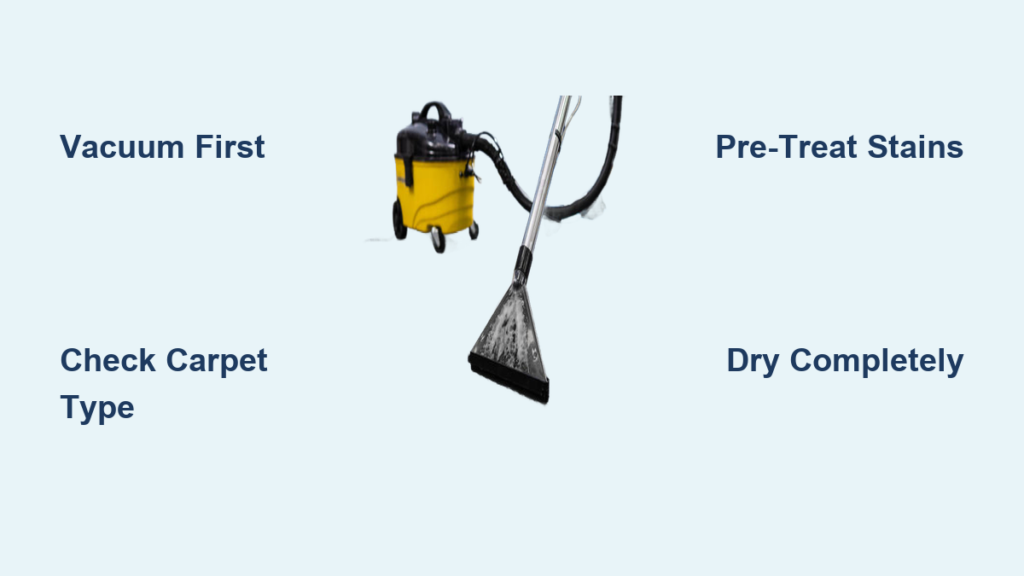
Knowing how to use a rug shampooer properly can mean the difference between a fresh, clean carpet and one that stays damp, smells musty, or gets damaged. Many renters and homeowners grab a carpet cleaning machine hoping for professional results, only to end up with waterlogged floors, leftover residue, or a clogged machine. The good news is that with the right preparation, technique, and aftercare, you can achieve deep-cleaning results that rival professional services. This guide covers every step from prepping your room to maintaining your machine so your carpets look and smell like new.
Prepare Your Cleaning Area Before Starting
Proper preparation ensures your rug shampooer works efficiently and protects your furniture and flooring from water damage.
Clear the Room Completely
Remove all items from the space you plan to clean. This includes toys, cords, lamps, small rugs, and decorative items. For heavier furniture that cannot be moved, place protective barriers under the legs using aluminum foil, plastic caps, or wooden blocks. This prevents the furniture legs from absorbing water and leaving permanent stains or indentations on your carpet. Never leave furniture sitting directly on wet carpet, as this creates ideal conditions for mildew growth and fiber damage.
Vacuum Thoroughly First
Skipping the vacuum is the most common mistake people make when learning how to use a rug shampooer. Dry soil, dust, and debris must be removed before wet cleaning begins. Use a vacuum with a rotating brush and make two passes over each section: first in straight lines, then perpendicular to catch what was missed. Pay extra attention to high-traffic areas like entryways and hallways. Vacuuming removes up to seventy percent of dry debris and prevents your machine from clogging.
Check Carpet Compatibility

Not every carpet can handle water-based extraction. Knowing your carpet type prevents costly damage.
Safe and Unsafe Carpet Types
Synthetic fibers like nylon, polyester, and olefin handle rug shampooers well. Wool blends can be cleaned if you use mild detergent and lukewarm water. Never shampoo silk rugs, as water causes permanent fiber damage. One hundred percent wool carries a risk of shrinking or discoloration, so check manufacturer guidelines first. Look for cleaning codes on the carpet backing: W means water-safe, WS means water or solvent-safe, S means solvent-only, and X means vacuum only.
Pre-Treat Studysonguide-20orn Stains
Spot treating before the main cleaning session prevents stains from setting deeper into the fibers.
Apply the Right Stain Remover
Match your cleaner to the stain type for best results. Use enzymatic formulas for pet accidents, degreasers for oil and grease, and hydrogen peroxide-based solutions for organic spills like wine or blood. Apply the pre-treatment directly to the stain, let it sit for five to ten minutes without letting it dry, then blot gently if instructed. Never scrub aggressively, as this spreads the stain and damages fibers.
Mix Cleaning Solution Correctly
Using the wrong detergent or incorrect ratios damages machines and leaves sticky residue that attracts more dirt.
Choose Approved Solutions Only
Never use laundry detergent, dish soap, hair shampoo, bleach, or ammonia in a rug shampooer. These products clog pumps, void rental agreements, and leave residue that re-soils your carpet quickly. Recommended options include Rug Doctor Deep Cleaner for general use, BISSELL Advanced Formula for odor removal, and enzyme-based cleaners for biological stains. Choose fragrance-free versions if you have allergies or pets.
Follow Mixing Ratios
For a standard Rug Doctor, mix one hundred fifty milliliters of detergent with three point eight gallons of hot tap water. For the Wide Track model, use two hundred twenty-five milliliters. BISSELL and Hoover machines typically require one to one and a half gallons per tank. Always use hot tap water between one hundred and one hundred twenty degrees Fahrenheit to activate cleaning agents, but never use boiling water.
Load the Machine Properly
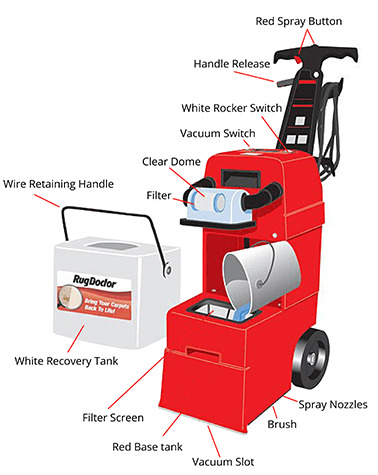
Remove the white recovery tank from the top, pour your detergent into the red base tank (clean water reservoir), then fill with hot water to the fill line. Reattach the white tank securely and set the mode to carpet cleaning. Never pour solution into the white tank, as this causes suction failure and internal damage.
Power On and Position the Machine
Following the correct startup sequence prevents electrical issues and ensures proper operation.
Turn On Safely
For Rug Doctor models, flip the master power switch on the base to ON first, then plug into a grounded outlet. Press the Carpet button if prompted. For other brands, simply plug in and power on. Never use extension cords unless they are heavy-duty rated, and never operate the machine barefoot or with wet hands.
Start in the Farthest Corner
Begin cleaning from the back of the room, positioning the front edge of the machine against the baseboard. This way, you pull backward as you clean and never walk over freshly cleaned wet carpet. Plan your path so you exit the room without crossing areas you have already cleaned.
Clean the Carpet With Proper Technique
Your cleaning technique directly impacts how thorough the cleaning is and how dry the carpet becomes afterward.
Master the Basic Operation
Tilt the machine backward to lift the brush roll off the carpet, then press the red solution trigger to test spray. Lower the machine and pull slowly backward at about one foot per second, which is roughly one step per second. Release the trigger and make dry passes over the same area to extract moisture. Repeat until the extracted water runs clear.
Use the Right Pass Sequence
For each section, make two wet passes with solution flowing, then two dry passes with the trigger released. Changing direction as you clean helps lift fibers and clean both sides. Use a grid pattern with straight, overlapping lines about two to three inches apart. Avoid zigzag motions, as they leave gaps and missed spots.
Manage Tanks During Cleaning

Running out of clean solution or overfilling the recovery tank interrupts your work and risks machine damage.
Monitor and Refill Properly
A typical tank covers two hundred to three hundred square feet. A twelve by twelve foot room may need two to four refills depending on carpet thickness and soil level. When the recovery tank fills, the float valve beeps or the motor sound changes. Stop immediately, unplug the machine, empty the white tank into a drain, and refill the red tank with fresh solution. Never let the clean tank run dry, as this overheats the pump.
Clean Stairs and Upholstery
The detachable hose and hand tool extend your rug shampooer to vertical surfaces and tight spaces.
Check Fabric Codes First
Look for care codes on furniture cushions or hidden seams. W means water-based cleaners are safe, WS means water or solvent-safe, S means solvent-only, and X means do not use liquids. Always test a hidden area first by spraying and waiting for it to dry. If color bleeds or fades, stop immediately.
Clean Vertical Surfaces
Attach the hose and hand tool, then press the trigger for two slow wet passes over the same spot. Release and make two dry passes to extract moisture. For stairs, place the main unit at the bottom for stability, start at the top step, and work downward. Avoid over-wetting, as excess moisture causes mold in cushion padding.
Dry the Carpet Completely
Incomplete drying leads to musty odors, mildew growth, and carpet damage. Proper drying is essential.
Know Expected Dry Times
Average carpet dries in forty-five minutes to two hours under normal conditions. Thick carpet in high humidity may take six to twelve hours or overnight. Opening windows and doors improves airflow. Place box fans or blowers across the room, run ceiling fans, and use a dehumidifier for faster results. Test dryness by walking barefoot: no dampness should be felt. Wait until the carpet is one hundred percent dry before moving furniture back.
Rinse the Carpet for Residue-Free Results
A final rinse removes leftover detergent that attracts dirt and shortens the time between cleanings.
How to Rinse Effectively
Fill the clean tank with plain cold water only, no solution. Run the machine over the carpet using the same two wet and two dry pass sequence. Continue until the extracted water runs clear. This step is especially important for light-colored carpets and high-traffic areas.
Maintain Your Machine After Use
Proper post-cleaning care extends the life of your machine and avoids fees for rental returns.
Clean and Store Properly
Unplug the machine and empty both tanks into a drain. Rinse both tanks with plain water, not soap, then wipe the exterior with a dry cloth. Perform a fresh water flush by running hot water through the system into a drain to clear residual detergent from hoses and pumps. Allow tanks to air-dry upside down, then coil the hose and cord neatly. Store in a cool, dry place. For rentals, return to the same store with the handle folded down and the machine clean to avoid cleaning fees.
Troubleshoot Common Problems
Quick fixes for typical issues keep your cleaning session on track.
No Solution Coming Out
Check that the clean tank has solution and is seated properly. Clear a clogged nozzle by soaking it in warm water. Verify the trigger functions correctly.
Weak Suction
Empty the recovery tank if full. Clean the filter and check the hose for kinks or blockages. Straighten any bends restricting airflow.
Carpet Still Wet After Cleaning
Slow down your passes to allow more extraction time. Make additional dry passes over damp areas. Increase airflow with fans and open windows.
Musty Smell After Cleaning
This indicates incomplete drying. Increase ventilation, run a dehumidifier, and apply an odor neutralizer if needed.
Frequently Asked Questions About Using a Rug Shampooer
Can I use regular laundry detergent in a rug shampooer?
No. Laundry detergent, dish soap, and hair shampoo leave sticky residues that attract dirt and damage internal pumps. Use only manufacturer-approved cleaning solutions designed for carpet extraction machines.
How often should I shampoo my carpets?
For average households, deep clean carpets every twelve months. Homes with pets or children benefit from cleaning every six months. High-traffic areas may need cleaning every six to twelve months.
Do I need to vacuum before using a rug shampooer?
Yes. Vacuuming removes dry soil and debris so the shampooer can focus on stains and embedded dirt. Skipping this step reduces cleaning effectiveness by up to forty percent and increases the risk of machine clogs.
How long does it take for carpet to dry after shampooing?
Under normal conditions, carpet dries in forty-five minutes to two hours. Thick carpet in humid conditions may take six to twelve hours. Use fans and open windows to speed drying.
Can I clean my wool carpet with a rug shampooer?
Use caution. Wool blends can be cleaned with mild detergent and lukewarm water, but one hundred percent wool risks shrinking or discoloration. Always check manufacturer guidelines and test a hidden area first.
Key Takeaways for Successfully Using a Rug Shampooer
Using a rug shampooer properly requires more than just turning on the machine. The most important steps happen before you even start: vacuum thoroughly to remove dry soil, check that your carpet is compatible with water-based cleaning, and pre-treat any stains. Mixing the correct solution ratio and loading it into the right tank prevents machine damage and ensures effective cleaning. During operation, move slowly at one foot per second, make two wet passes followed by two dry passes per section, and always clean from the farthest corner toward the exit. Finally, allow adequate drying time before returning furniture to the room. Following these steps delivers professional-quality results while protecting your investment in both your carpets and your cleaning equipment.