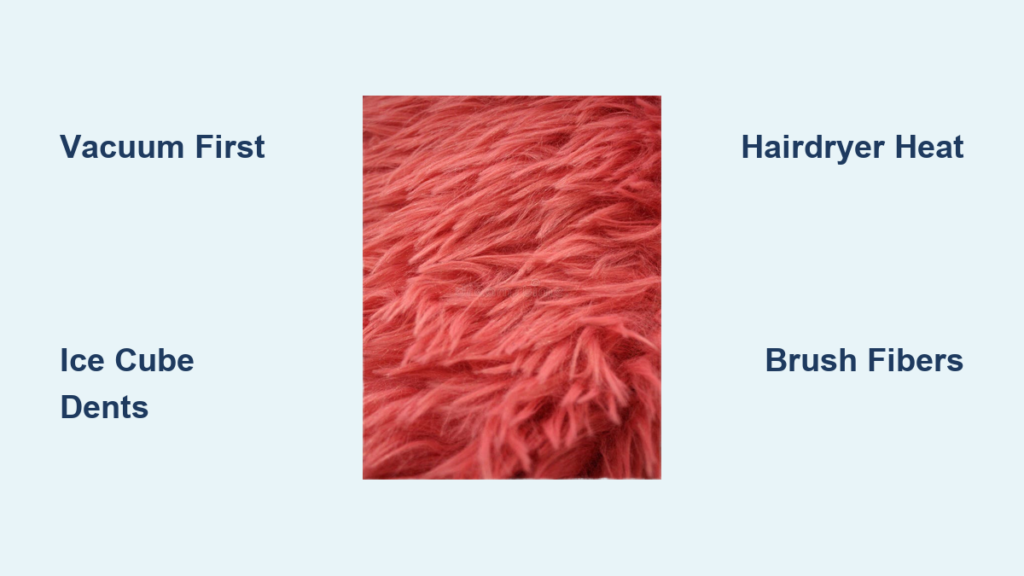
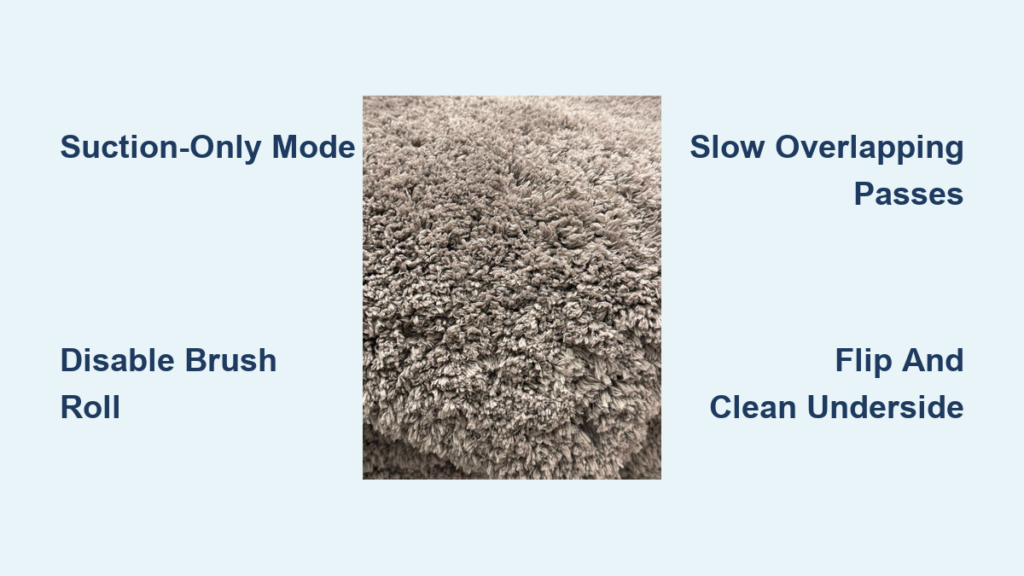
If you own a high pile rug—whether it’s a plush shag, deep frieze, or long-loop style—you know how luxurious it feels underfoot. But that same soft, deep texture also traps dust, pet hair, allergens, and dirt deep within its fibers. Vacuuming a high pile rug the wrong way can damage the fibers, flatten the pile, or even break your vacuum. The key to keeping these rugs clean and beautiful lies in using the right tools, settings, and techniques.
This guide breaks down exactly how to vacuum high pile rugs safely and effectively, based on recommendations from the Carpet and Rug Institute (CRI), expert insights from brands like ECOVACS and Miele, and real-world user feedback. You’ll learn which vacuums to use, step-by-step cleaning methods, robot vacuum best practices, and essential maintenance tips to extend your rug’s life.
Choose the Right Vacuum Type for High Pile Rugs

Not all vacuums are safe for high pile rugs. The rotating brush roll found in most upright models can pull, tangle, and permanently damage long fibers. Here’s what works and what doesn’t.
Use Suction-Only Vacuums
The Carpet and Rug Institute recommends suction-only vacuums without rotating beater bars for high pile rugs.
Best options include:
• Canister vacuums like the Miele Complete C3
• Central vacuum systems
• Handheld vacuums for spot cleaning
These vacuums work because no brush roll means no fiber pulling, no matting, and no motor strain. However, many canister floor tools have brushes or rubber strips that can fray fibers. Use only brush-free floor tools designed specifically for deep pile.
Use Robot Vacuums with Carpet Intelligence
Modern robot vacuums can safely clean high pile rugs if they have the right features.
Required features:
• Carpet detection that triggers suction boost
• Auto mop lift to prevent moisture damage
• Anti-tangle brush roll technology
• Adjustable pile height setting
Top models include the ECOVACS DEEBOT X11 OmniCyclone, Roborock S8, Dyson 360 Vis Nav AI, and Shark AI Robot Vacuum. Never use a robot vacuum with the mop pad down on a shag rug because moisture gets trapped, leading to mold, odors, and backing damage.
Use Upright Vacuums Only with Caution
Most upright vacuums are too aggressive for high pile rugs unless you can turn off the brush roll completely.
Acceptable if:
• Brush roll can be fully disengaged
• Height setting is at maximum pile level
• Suction-only mode is available
Safe models include the Dyson Ball Animal with brush roll off, Shark Navigator Lift-Away with powered floorhead off, and Miele Cat & Dog Power Line with beater bar disabled. Avoid any upright vacuum that forces the brush roll to spin on high pile because this causes irreversible texture damage and clogs.
Set Up Your Vacuum Correctly

Even the best vacuum can damage a high pile rug if not configured properly. Follow these steps before you start cleaning.
Adjust Vacuum Height and Settings
Set height to the highest level so the vacuum floats over the pile without digging in. This prevents fiber pulling and motor strain. If your vacuum has no height adjustment, lift it slightly or use only attachments.
Disable the brush roll completely by turning off the beater bar and using suction-only mode. If the brush cannot be disabled, do not use that vacuum on high pile rugs. Some vacuums auto-disable the brush on carpet, so check your manual.
Adjust suction power if possible. High suction can lift or flatten delicate fibers. Use medium or low suction for sensitive rugs and increase only for heavily soiled areas.
Select the Right Attachment
Best attachments for high pile rugs:
• Straight air floor tool for full surface cleaning
• Dusting brush for light passes and delicate fibers
• Crevice tool for edges, corners, and tassels
• Handheld vacuum for quick spot cleaning
For robot vacuums like the DEEBOT X11, enable Suction-Boost on Carpet, turn on Carpet Detection and Auto Mop Lift, and use the Carpet First cleaning cycle. Set these features via the ECOVACS HOME app or Agent YIKO AI.
Step-by-Step Vacuuming Procedure
Follow this five-step process to deep clean your high pile rug without causing damage.
Prepare the Rug Before Vacuuming
Fold tassels under to prevent snagging during cleaning. Shake or beat the rug outdoors to loosen deep debris. Spot clean stains with blotting, never rubbing. Fluff matted areas with a wide-tooth comb or carpet rake before vacuuming.
Using a carpet rake before vacuuming lifts flattened fibers and improves suction access to trapped dirt.
Vacuum the Top Surface Slowly
Speed and direction matter because fast, shallow passes miss debris trapped deep in the pile.
Technique:
• Use slow, deliberate strokes
• Make overlapping passes in multiple directions including north-south, east-west, and diagonal
• Avoid zigzag scrubbing or quick back-and-forth motions
Best tools for this step:
• Suction-only floor tool
• Dusting brush for delicate fibers
• Crevice tool for edges and corners
User feedback shows slower cleaning captures up to three times more dust and reduces missed spots significantly.
Flip and Clean the Underside
Dirt, pet dander, and allergens fall through the pile and settle on the backing.
Do this every 2 to 3 months, more often with pets or high traffic. Flip the rug upside down carefully and vacuum the backing and lower fibers using suction-only mode. Use a crevice tool or straight air nozzle to clean beneath. For extra thoroughness, beat lightly with a broom outdoors to dislodge compacted grit.
This step removes fleas, eggs, dust mites, and allergens missed by top-side cleaning.
Clean the Floor Beneath the Rug
Dirt accumulates under rugs and can scratch flooring or harbor pests. Vacuum and mop the subfloor during seasonal rug rotations. For robot vacuums, run a floor-only cleaning cycle after rug removal. Using rug pads reduces wear and helps trap dust.
The DEEBOT X11 Triple Lift system automatically raises mop pads on carpet, preventing moisture transfer to your rug.
Return and Fluff the Rug
Place the rug back in position and fluff fibers by hand or with a carpet rake to restore volume and prevent matting. Regular fluffing maintains plushness and reduces the need for frequent deep cleaning.
Follow a Maintenance Schedule
Consistent care keeps your high pile rug looking new and extends its lifespan.
Weekly tasks:
• Vacuum surface using suction-only mode
• Fluff fibers by hand
Monthly tasks:
• Spot clean spills immediately
• Inspect for wear, matting, or fraying
Every 2 to 3 months:
• Flip and vacuum the underside
• Clean the subfloor
Every 3 to 6 months:
• Rotate rug for even wear
Every 6 to 12 months:
• Deep clean using professional or dry method
Annually:
• Full inspection
• Consider professional cleaning
Storage tips: Clean thoroughly before storing. Roll, don’t fold, to prevent creases. Wrap in breathable fabric, not plastic. Store in a cool, dry place away from pests and sunlight.
Deep Cleaning Methods for High Pile Rugs
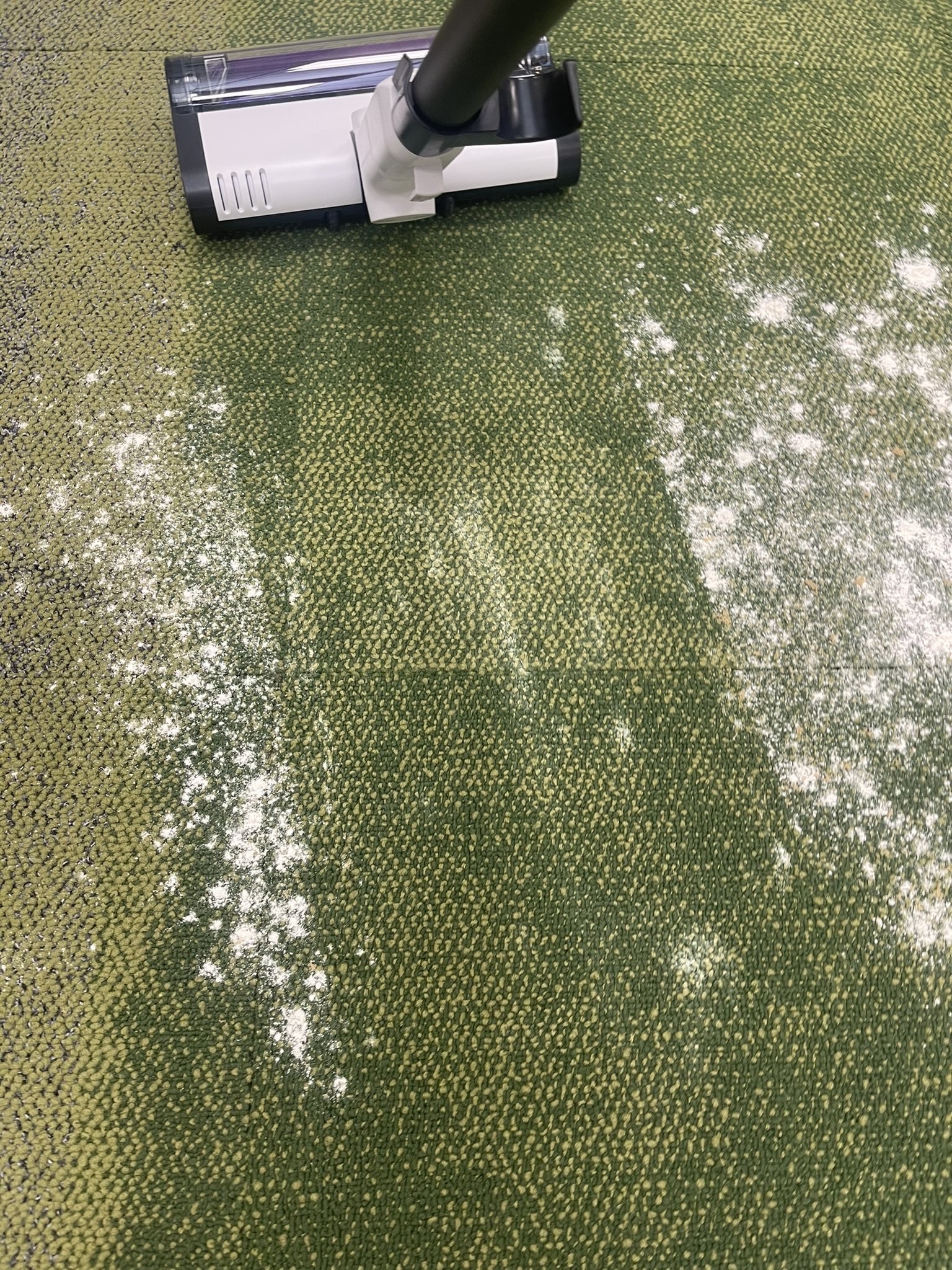
Avoid wet cleaning unless absolutely necessary because moisture can damage the backing, cause mold, or void warranties.
Use Dry Cleaning Methods
Never shampoo or steam clean high pile rugs. Use baking soda or dry carpet powder instead. Sprinkle evenly across the rug, wait 15 to 30 minutes, then vacuum thoroughly using suction-only mode. This method works well for odor removal and light refresh.
However, some users report that carpet powders embed deeply and attract more dirt over time, so use sparingly or avoid entirely.
Spot Clean Stains Properly
Steps for proper spot cleaning:
1. Blot immediately with a dry cloth, never rub
2. Apply pH-balanced cleaner sparingly
3. Test in a hidden area first
4. Blot until dry
5. Fluff fibers once dry
Avoid using bleach, ammonia, vinegar, or excessive water because these can damage fibers and backing.
Hire Professionals for Heavy Soiling
For deep stains, odor issues, or valuable antique rugs, professional cleaning is best. Safe methods include dry foam cleaning, encapsulation cleaning, or hot water extraction only if the rug allows it. Ensure full drying within 24 hours because wet rugs risk mold and mildew.
Use Robot Vacuums for Deep Cleaning Cycles
Activate Carpet Deep Cleaning mode on your robot vacuum, like the DEEBOT X11. This runs two passes in complementary patterns using slow speed and AI navigation for full coverage. Agent YIKO AI reduces missed spots by optimizing cleaning routes.
Fix Common Vacuuming Problems
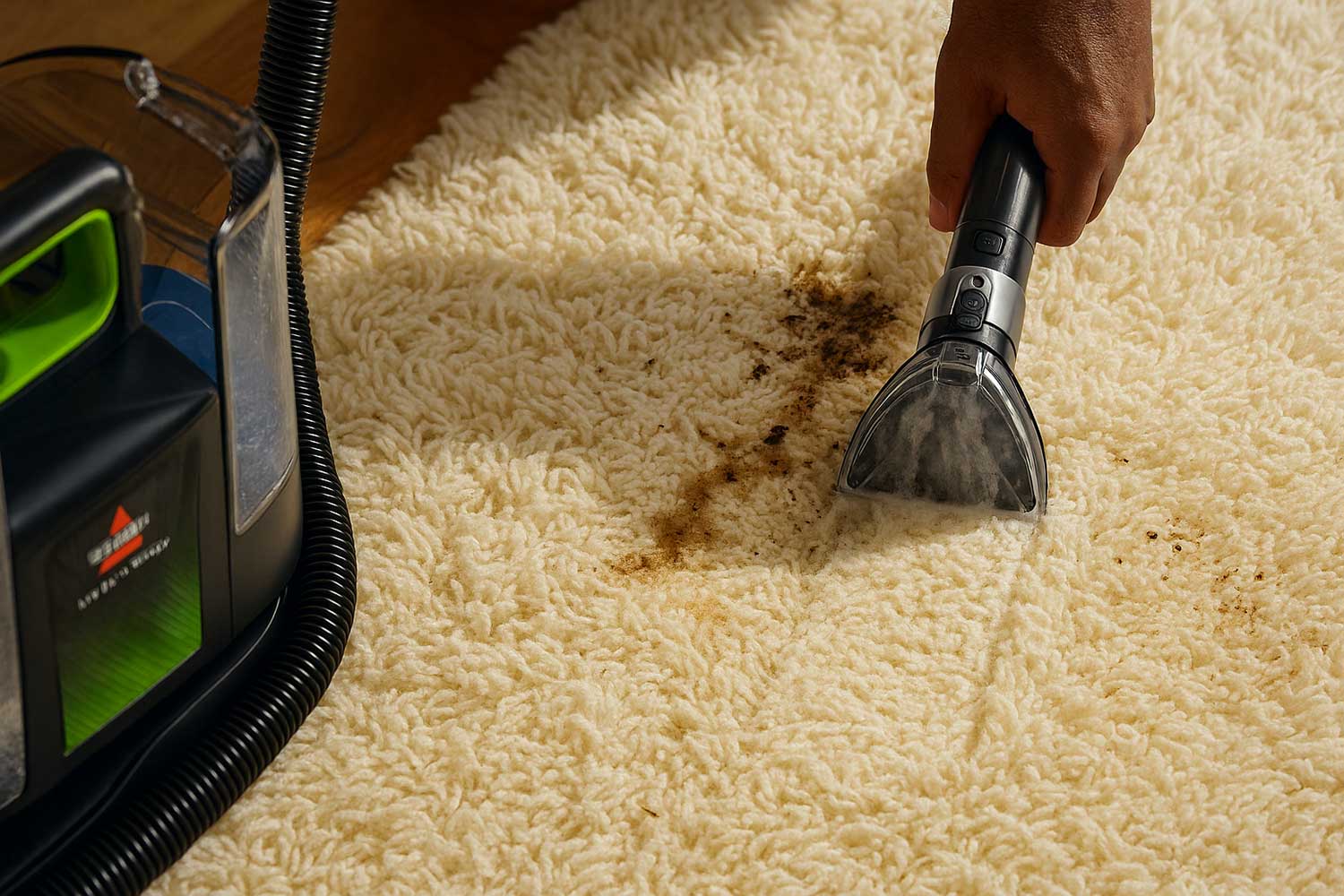
Even with the right tools, issues can arise. Here’s how to solve them.
Problem: Brush roll jams
Cause: Fibers wrap around the roller
Solution: Cut out tangles and disable brush roll going forward
Problem: Motor shuts off
Cause: Clogged filter or hose
Solution: Clean filters, empty dustbin, and vacuum in shorter sessions
Problem: Fibers get pulled
Solution: Raise vacuum to highest setting and glide lightly without pressure
Problem: Incomplete cleaning
Cause: Fast passes or single direction
Solution: Use slow, overlapping strokes in multiple directions
Problem: Odors after cleaning
Cause: Mop pad left on rug
Solution: Confirm auto mop lift is active and never vacuum shag with wet pad
One pet owner reported their Miele Cat & Dog Power Line shut off automatically on a shag rug due to brush roll obstruction. This was resolved by turning off the brush roll and slowing movement.
Choose Vacuums with Key Features
When buying a vacuum for high pile rugs, look for these essential specifications.
Must-have features:
• Adjustable pile height to prevent fiber damage
• Brush roll shutoff to eliminate agitator risk
• Anti-tangle brush roll to prevent clogs
• Auto mop lift to protect from moisture
• Carpet detection to boost suction and avoid mopping
• Suction boost on carpet for deep debris cleaning
• Long hose (10+ feet) for easier underside cleaning
Good-to-have features:
• Powered nozzle with soft bristles for gentle deep clean
• HEPA filtration for allergen control
Follow Industry Standards
Carpet and Rug Institute Guidelines
The CRI explicitly recommends straight air vacuums for high pile rugs. Avoid brush rolls because they cause accelerated texture change. Use purpose-designed floor tools because many retail models are not suitable. Contact manufacturers directly for high pile floor tools, as many are not sold in stores.
ECOVACS Expert Tips
Use slow speed and high pile mode for delicate fibers. Always lift mop pads and clean shag rugs dry only. Fluff after cleaning to maintain texture. Use Agent YIKO AI for setup help if you’re unsure about settings.
Real-World User Tips
Experienced users recommend flipping the rug every 2 to 3 months for improved cleanliness and longevity. Hand fluffing restores fluffiness better than brushing. AI-powered robot vacuums reduce missed spots significantly. Canister vacuums with long hoses make underside cleaning easier. Avoid carpet powders because many users cannot fully remove them. Handheld vacuums are perfect for spot cleaning and edges.
Preserve Your Rug’s Appearance and Durability
High pile rugs need gentle care to maintain their look and function.
Do:
• Fluff regularly to preserve plush texture
• Use rug pads to reduce slipping and wear
• Rotaterugs periodically for even wear
Don’t:
• Place in bathrooms where moisture causes mold
• Expose to direct sunlight to prevent fading
• Use in high-traffic areas without proper padding
Proper care extends rug life by 3 to 5 years.
Protect Your Warranty
Manufacturer warranties on high pile rugs often void if the rug is steam cleaned, cleaned with brush roll vacuums, or saturated with water. Using non-recommended vacuum equipment may also void warranty. Robot vacuums with anti-tangle systems require less maintenance and show longer durability.
Frequently Asked Questions About Vacuuming High Pile Rugs
Can I use my regular upright vacuum on a high pile rug?
Most regular upright vacuums are not safe for high pile rugs because their rotating brush rolls pull and damage fibers. Only use an upright if the brush roll can be fully disengaged and you can set the height to maximum. For safest results, use a suction-only canister vacuum or a robot vacuum with carpet-specific features.
How often should I vacuum a high pile rug?
Vacuum the surface weekly using suction-only mode. Flip and vacuum the underside every 2 to 3 months, especially in homes with pets or high traffic. Spot clean spills immediately when they occur.
Why does my vacuum keep jamming on my shag rug?
Jamming occurs because long fibers wrap around the brush roll. Turn off the vacuum immediately and cut out tangled fibers. Disable the brush roll for future cleanings or switch to a suction-only vacuum designed for high pile.
Can I use a robot vacuum on my high pile rug?
Yes, but only if the robot has carpet detection, auto mop lift, and anti-tangle technology. Never leave the mop pad down when cleaning shag rugs because moisture causes mold and damage. Enable Carpet First cleaning mode and suction boost for best results.
What’s the best way to deep clean a high pile rug without damaging it?
Use dry cleaning methods like sprinkling baking soda, letting it sit 15 to 30 minutes, then vacuuming thoroughly with suction-only mode. Avoid shampooing or steam cleaning because moisture damages the backing. For heavy soiling, hire professionals who use dry foam or encapsulation methods.
How do I prevent my high pile rug from matting?
Fluff fibers regularly by hand or with a carpet rake. Vacuum slowly in multiple directions using suction only. Rotate the rug every 3 to 6 months for even wear. Avoid placing furniture on high pile rugs without protective pads underneath.
Key Takeaways for Vacuuming High Pile Rugs
Proper vacuuming of high pile rugs requires using the right equipment and techniques. Always use suction-only vacuums like canister models or robot vacuums with carpet intelligence. Disable brush rolls completely and set height to the highest level. Vacuum slowly in overlapping passes in multiple directions. Flip and clean the underside every 2 to 3 months. Avoid wet cleaning methods that damage backing and cause mold. By following these guidelines from the Carpet and Rug Institute, manufacturer recommendations, and verified user practices, your shag or high pile rug will stay soft, clean, and visually stunning for years to come.