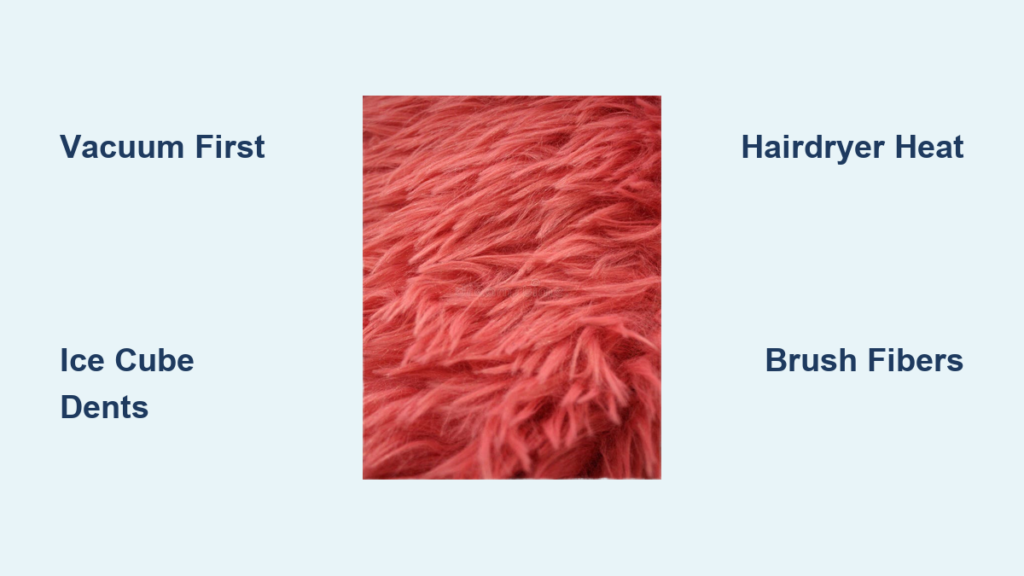
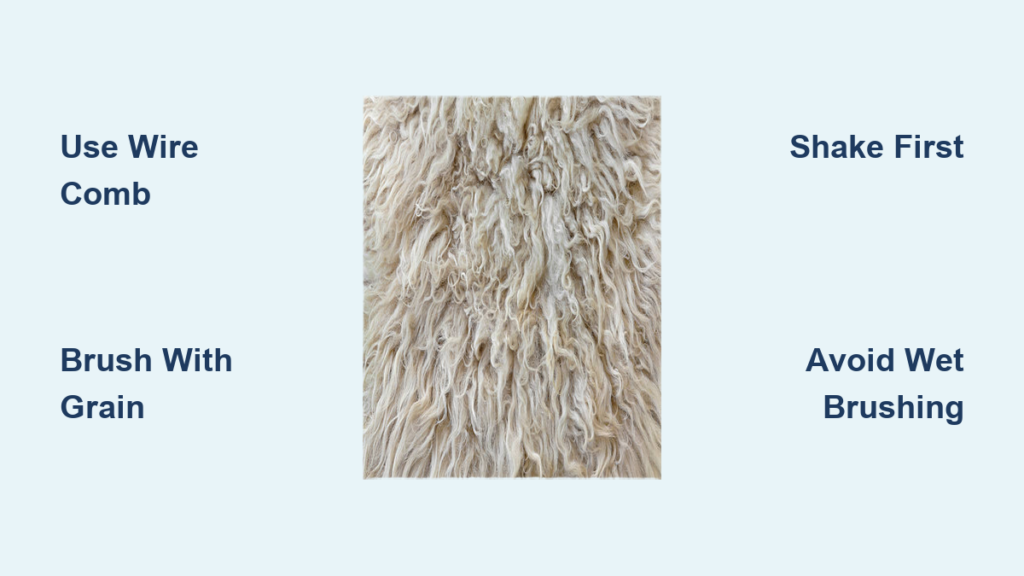
There’s nothing quite like the soft, plush feel of a sheepskin rug underfoot. Its natural warmth and texture elevate any room, bringing luxury and comfort to your space. But over time, foot traffic, dust, and moisture can flatten the fibers, making your once-luxurious rug look matted and dull. The good news? Reviving it is simple with regular brushing.
Knowing how to brush a sheepskin rug properly not only restores its fluff but also extends its life by removing debris, preventing tangles, and improving air circulation through the wool. This guide walks you through the correct technique, how often to brush, and pro tips to keep your rug looking pristine for years to come.
Choose the Right Brush
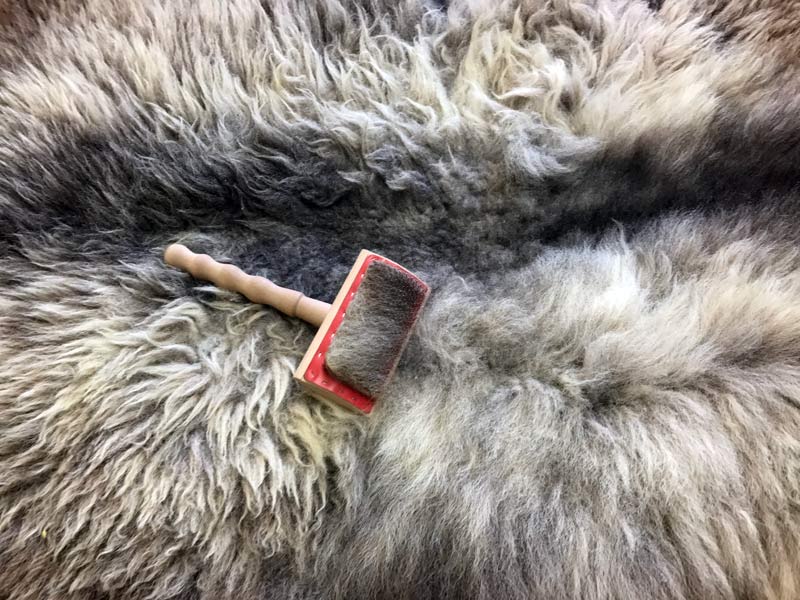
Using the correct tool is essential to avoid damaging delicate wool fibers while effectively lifting dirt and restoring pile.
Use a Wire Wool Comb or Metal Pet Brush
Opt for a wire wool comb or a metal-bristled pet brush with widely spaced tines. These tools gently detangle matted areas and lift embedded lint without pulling or breaking fibers. The spacing allows for deep penetration into the wool without causing excessive friction.
Avoid brushes with plastic bristles, as they generate static, reduce softness, and may snag or damage the wool over time. Soft-bristle clothes brushes are also ineffective because they do not reach deep enough to fluff the undercoat.
Pro Tip: If you do not have a dedicated wool comb, a slicker brush designed for long-haired pets works just as well and is often easier to find at pet stores.
Shake Out the Rug First
Before brushing, remove surface dust and loose debris to prevent grinding dirt into the fibers during grooming.
Why Shaking Matters
Take your sheepskin rug outside and give it a firm shake. This dislodges dry soil, hair, and dust that brushing alone cannot remove. For larger rugs, a few energetic snaps or hanging it over a railing and beating it gently works best.
If you see dust clouds after shaking, it is a clear sign your rug needs this step, especially if it has been indoors for weeks. Skipping this step can lead to abrasive wear on wool fibers during brushing, reducing softness and luster over time.
Brush in the Direction of the Grain

Brushing with the natural lay of the wool preserves fiber integrity and enhances softness.
Start at the Base and Work Up
Begin near the hide side, which is the leather backing, and brush toward the tips of the fibers. Use slow, even strokes to gradually lift flattened areas. This method mimics how sheep naturally groom themselves and prevents unnecessary stress on the roots.
Apply moderate pressure, enough to reach the base but not so much that you pull on the hide. Work in small sections, about 6×6 inches, until the entire rug is covered. Focus extra attention on high-traffic zones like entry points or beside beds where matting commonly occurs.
As you brush, the wool should begin to fluff up and regain volume. A healthy, well-brushed rug will spring back slightly when pressed.
Address Matted Areas Gently
Tangled spots require careful handling to avoid damaging the hide or pulling out fibers.
How to Untangle Without Damage
For small mats, use your fingers to loosen the knot from the base before introducing the brush. Gently separate the fibers with your fingertips, working outward.
If the mat persists, hold the surrounding wool taut to reduce strain. Use the tip of the wire comb to tease apart the tangle slowly. Avoid yanking. Work layer by layer until the mat dissolves.
Warning: Never cut matted wool with scissors. You risk slicing the leather backing or creating uneven patches. For severe matting, consider professional cleaning or restoration, especially on vintage or heirloom rugs.
Rotate and Flip for Even Wear
Maintaining consistent texture across the rug prevents uneven compaction and extends its lifespan.
Flip Monthly for Full Care
Turn your sheepskin rug over every few brushings and lightly brush the backing side if accessible. While most care focuses on the wool, flipping helps prevent one-sided flattening, improve airflow to the hide, and spot early signs of moisture or wear.
Also, rotate the rug seasonally, especially in high-use areas, to distribute foot traffic evenly and avoid permanent compression in one spot.
How Often to Brush a Sheepskin Rug
Frequency depends on location and usage, but consistency is key to long-term beauty.
Low Traffic Areas: Once a Month
Rugs in bedrooms, guest rooms, or decorative spaces benefit from a monthly brushing session. This schedule removes accumulated dust and maintains loft without overhandling.
High Traffic Areas: Weekly or Biweekly
In living rooms, hallways, or beside bathtubs where bare feet are common, brush every 7 to 14 days. Frequent grooming prevents deep matting, reduces odor retention, and keeps the rug looking fresh between cleanings.
A full brushing takes just 5 to 10 minutes for a standard 4×6-foot rug, less with practice.
Avoid Common Brushing Mistakes
Even well-intentioned care can harm your rug if done incorrectly.
Do Not Brush When Wet
Never brush a damp or wet sheepskin rug. Wet wool is more fragile and prone to stretching or fiber breakage. Always ensure your rug is completely dry before grooming.
Skip the Vacuum (Usually)
While some recommend vacuuming with a brush attachment, it can pull fibers loose or damage the hide if suction is too strong. If you must vacuum, use low suction and no beater bar. Hold the nozzle slightly above the surface. Brushing is safer and more effective for routine maintenance.
Support Brushing With Proper Care
Brushing works best as part of an overall care routine that includes cleaning and storage.
Spot Clean Before Brushing
If your rug has spills or stains, address them before brushing. Dirt can grind into fibers during grooming, worsening discoloration. Blot liquids immediately with a clean cloth. Use a p-neutral wool cleaner for stains. Allow to air dry flat and away from direct heat. Once fully dry, resume brushing to restore texture.
Store Clean and Dry
When storing your sheepskin rug, brush thoroughly first and ensure it is completely dry. Keep it in a breathable cotton bag, never plastic. Store in a cool, dry place away from moths. Check and re-brush every few months during storage to prevent mustiness and flat spots.
Signs Your Rug Needs More Than Brushing
Brushing fixes texture issues, but some problems require deeper intervention.
It Feels Stiff or Smells Musty
This could indicate trapped moisture or mildew. Air it out fully. If the smell persists, consult a professional wool cleaner.
Wool Will Not Fluff Despite Brushing
If fibers remain flat after proper grooming, the rug may need a gentle wash using a wool-safe detergent or professional treatment.
Visible Wear on the Hide
Cracking, thinning, or discoloration on the backing means structural damage. Brushing will not help. Seek expert repair or consider replacement.
Key Takeaways for Maintaining a Fluffy Sheepskin Rug
Knowing how to brush a sheepskin rug properly makes all the difference in preserving its softness and beauty. With just a few minutes of care each week or month, you can prevent matting, remove everyday grime, and keep the fibers springy and inviting.
The right brush, the correct technique, and a consistent schedule turn maintenance into a simple ritual that protects your investment and keeps your space feeling warm and luxurious. Use a wire wool comb or metal pet brush, always shake out dust before brushing, and work in the direction of the grain. Tackle matted areas gently with your fingers first, brush monthly for low-traffic areas and weekly for high-traffic spots, and never brush when the rug is wet.
Combine brushing with spot cleaning, seasonal rotation, and proper storage for the best results. Your sheepskin rug will not just survive daily life. It will thrive, staying soft, fluffy, and stunning for years to come.
Frequently Asked Questions About Brushing a Sheepskin Rug
Can I use a regular brush on my sheepskin rug?
No, you should avoid regular household brushes. Use a wire wool comb or a metal-bristled pet brush with widely spaced tines. Plastic-bristled brushes create static and can damage delicate wool fibers.
Why does my sheepskin rug get matted so quickly?
High foot traffic is the most common cause. Walking on the rug compresses fibers and transfers oils from skin and feet. Regular brushing counteracts this by fluffing the fibers and redistributing natural oils.
Should I brush my sheepskin rug wet or dry?
Always brush your sheepskin rug when it is completely dry. Wet wool is fragile and prone to stretching or breaking. Brush only after the rug has dried thoroughly.
How do I get rid of studysonguide-20orn mats in my sheepskin rug?
Start with your fingers to loosen the tangle from the base. Hold the surrounding wool taut and use the tip of a wire comb to teasingly separate the fibers layer by layer. Never use scissors.
Can I vacuum my sheepskin rug instead of brushing?
Brushing is safer and more effective for routine maintenance. If you must vacuum, use low suction only, no beater bar, and hold the nozzle slightly above the surface to avoid damaging the hide or pulling fibers.