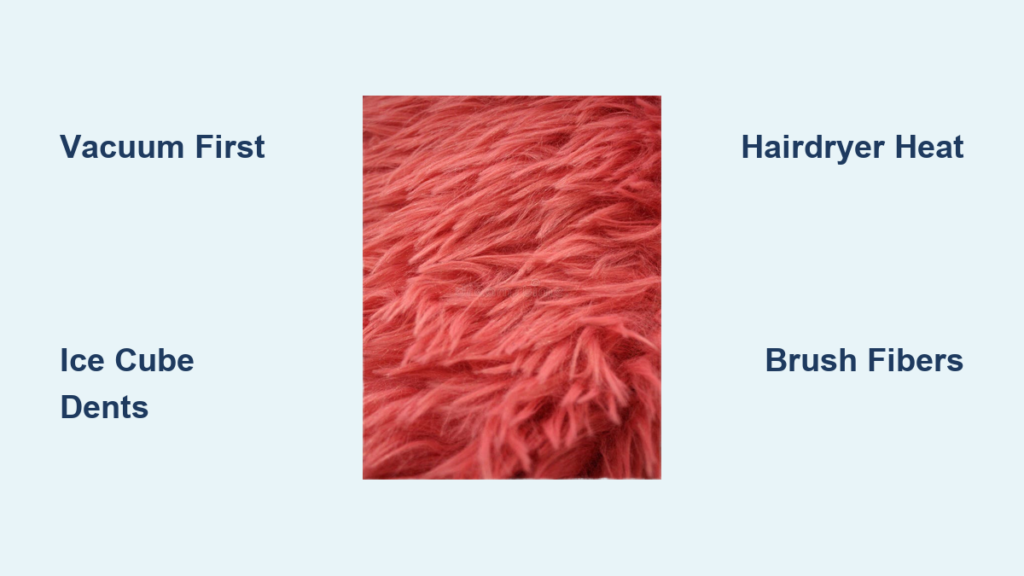
Is your once-plush shaggy rug now flat, matted, or lifeless? You are not alone. Heavy foot traffic, furniture pressure, and everyday wear can crush soft fibers, leaving your rug looking tired. The good news: you can revive a shaggy rug with simple, effective techniques—no replacement needed in most cases. Whether it is a dent from the sofa leg or a flattening across the living room, this guide delivers proven, step-by-step methods to restore fluffiness, remove stains, and extend your rug’s life.
From vacuuming tricks to steam treatments and the surprising ice cube fix, you will learn exactly how to bring back that luxurious bounce using tools you likely already own.
Vacuum Without a Beater Bar
Vacuuming is the fastest way to lift flattened fibers and remove surface debris. But not all vacuums are safe for shaggy rugs.
Use Suction-Only Mode
Switch off the rotating brush or beater bar. These aggressive attachments pull and tangle long fibers, causing damage instead of fluff. Stick to suction-only mode to gently lift dirt without tearing the pile.
• Pass the vacuum slowly in multiple directions to evenly lift matted zones
• Focus on high-traffic areas like hallways or in front of couches
• For new rugs, vacuum lightly twice weekly the first month to manage shedding
Pro Tip: Adjust the vacuum height to avoid dragging or snagging. If the head scrapes or pulls, raise it slightly.
Spot Clean With Vinegar Solution
Stains and sticky residue weigh down fibers, making them lie flat. Cleaning localized areas restores texture and hygiene.
Mix Vinegar and Hot Water
Combine equal parts white vinegar and hot water in a spray bottle. This natural solution cuts through grime, deodorizes, and frees tangled fibers.
Steps:
1. Test on a hidden corner to check for colorfastness
2. Spray lightly on the soiled area—do not soak
3. Gently scrub with a soft brush or cloth for one to two minutes
4. Blot dry with a clean towel—avoid rudysonguide-20ing
5. Let air dry completely before walking on or fluffing
Warning: Never use bleach or harsh detergents. They can degrade fibers and fade colors.
Steam or Iron With a Towel
Heat and moisture reset compressed fibers, helping them spring back to life.
Apply Damp Towel Plus Iron
This method works like a fiber reset button. The steam from a damp towel relaxes flattened strands so they can rebound.
Steps:
1. Lightly dampen a clean cotton towel—wring out excess water
2. Lay it over the flat section of the rug
3. Let it sit one to two minutes so moisture transfers
4. Heat an iron to low or medium—no steam setting
5. Iron over the towel for ten to fifteen seconds
6. Leave the towel in place until fully dry—about thirty minutes
7. Once dry, fluff with fingers or a soft brush
Never place the iron directly on the rug. This can melt synthetic fibers or scorch wool.
Try a Steam Cleaner for Full-Rug Revival
For widespread flattening, use a handheld steam cleaner. Move slowly over matted zones, letting heat and moisture penetrate deep into the pile.
• Allow four to six hours drying time with fans or open windows
• Fluff with a brush once completely dry
Caution: Avoid over-wetting wool rugs. They can shrink or felt. Use light steam only.
Melt Ice Cubes on Flattened Spots
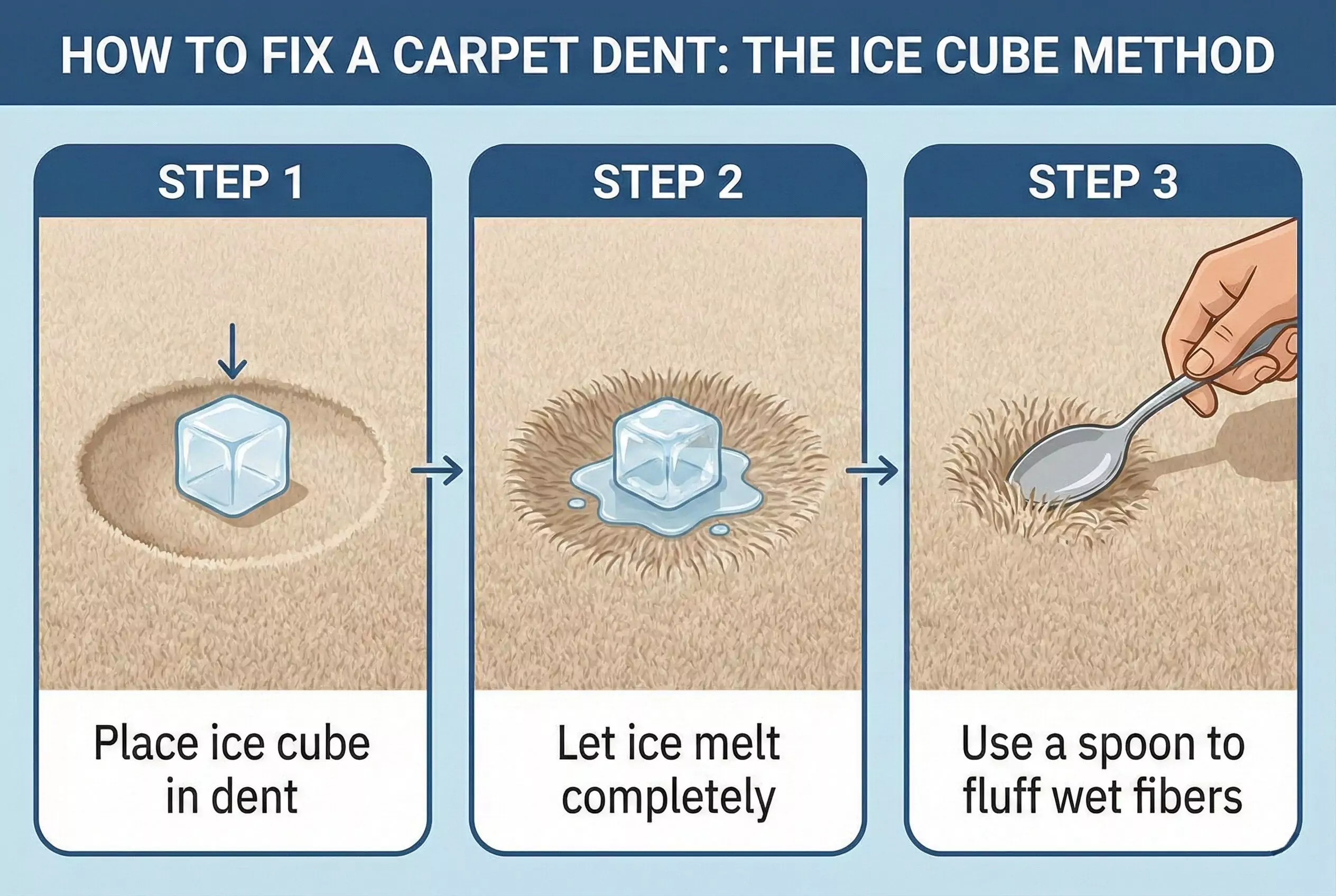
One of the easiest fixes for furniture dents? Ice cubes.
Use Ice to Lift Furniture Indentations
Pressure from heavy furniture compresses fibers beyond their natural memory. Ice adds moisture that helps them rebound.
Steps:
1. Place one to two ice cubes directly on the dent
2. Wait thirty to sixty minutes for full melting
3. Blot the water with a dry towel—do not rub
4. Once dry, massage the area with fingers or a spoon edge to lift fibers
Why it works: As fibers absorb moisture and dry, they regain shape and volume.
Pro Variation: After blotting, gently rake fibers upward with a fork or carpet comb.
Beat and Rake for Deep Fluff
Mechanical agitation removes embedded dust and separates matted fibers.
Beat the Rug Outdoors
Use a handheld rug beater to dislodge deep-down debris.
• Take the rug outside to prevent indoor dust clouds
• Beat both sides if accessible
• Apply firm but controlled strikes—avoid overdoing it on delicate materials
Expert Note: Beating restores bounce in wool and synthetic shags alike, especially when combined with vacuuming.
Rake With a Carpet Brush or Fork
A carpet rake or stiff-bristled brush lifts fibers daily or weekly.
How to rake:
• Brush in the direction of the pile
• Focus on matted or high-traffic zones
• Use light pressure to avoid fiber pull
No tools? Use a fork. Gently comb through small flattened areas. Ideal for quick touch-ups.
Best Practice: Rake after vacuuming or steaming. Loosened fibers lift more easily.
Hire a Professional Cleaner
When home methods fail, professional cleaning can rescue a severely matted or soiled rug.
When to Call an Expert
Consider professional help if:
• Fibers remain flat after multiple DIY attempts
• The rug has pet stains, odors, or oil buildup
• It is a high-end wool or vintage shag rug
• You notice musty smells or visible allergens
Choose a Rug-Specialist Service
Not all cleaners handle shag rugs safely. Look for:
• Experience with high-pile or long-fiber rugs
• Low-moisture or dry-cleaning methods
• Positive reviews and certifications
Recommended Frequency: Every twelve to eighteen months for deep refresh.
Prevent Future Flattening
Reviving your rug is only half the battle. Prevention keeps it fluffy long-term.
Rotate Every Three to Six Months
Turn the rug 180 degrees to even out wear. This stops one side from staying permanently flat due to foot traffic.
Use Furniture Pads
Place wide, flat coasters or furniture pads under chair and table legs. These distribute weight and prevent deep dents.
Avoid: Narrow legs or heels that dig into the pile.
Trim Pet Nails Regularly
Long claws snag and pull fibers, leading to fraying and matting. Keep pet nails trimmed to protect your rug.
Clean Spills Immediately
Blot liquids fast with a dry towel. Delayed cleanup leads to staining, odors, and fiber breakdown.
Match Methods to Rug Material
Different fibers respond differently to revival techniques.
Synthetic Polyester and Polypropylene
These materials fluff easily and resist moisture. Safe for vacuuming, steaming, ice, and raking.
Caution: Low iron heat only. They can melt.
Nylon
This is the most durable option and bounces back fast. Safe for all methods including steam and spot cleaning.
Wool
Wool is luxurious but sensitive. Use steam or iron with damp towel. Avoid soaking.
Caution: Dry thoroughly to prevent shrinkage or odor.
Acrylic
Acrylic is soft but crushes under weight. Gentle vacuuming and raking recommended. Avoid heavy furniture.
Blends
Test any method on a hidden area first. Follow care label instructions.
Pro Insight: Nylon and polyester are easiest to maintain. Wool offers elegance but needs careful handling.
Essential Tools for Rug Revival
You do not need fancy gear. Just the right tools.
| Tool | Use | Price |
|---|---|---|
| Vacuum without beater bar | Surface cleaning and lifting | $50–$300 |
| Rug beater | Deep debris removal | ~$13 |
| Carpet rake or brush | Daily fiber separation | $10–$25 |
| Steam cleaner | Full-rug moisture reset | $50–$150 |
| Iron plus towels | Heat-based fluffing | Free |
| Ice cubes | Dent removal | Free |
Hack: Use a fork instead of a brush for small areas.
Fix Common Rug Problems
Flat from Foot Traffic
Cause: Constant stepping compresses fibers.
Fix: Vacuum, steam, then rake in pile direction.
Furniture Dents
Cause: Weight presses fibers flat.
Fix: Ice cube method, dry, fluff with fingers or spoon.
Matted Fibers
Cause: Dirt buildup or lack of care.
Fix: Spot clean, dry, gently rake apart.
Odors or Stains
Cause: Spills, pets, moisture.
Fix: Vinegar and water spot clean, blot, air dry.
No Improvement After Treatment
Cause: Fiber fatigue, age, or damage.
Fix: Try professional cleaning. If still flat, consider replacement.
Know When to Replace the Rug
Even the best care cannot save a worn-out rug.
Replace If You See
• Excessive shedding or brittle, broken fibers
• Permanent matting that will not lift with steam or ice
• Backing separation, holes, or burn marks
• Age over five to ten years with heavy use
Final Tip: If vacuuming, steaming, icing, and professional cleaning all fail, it is time for a new shaggy rug. Many retailers offer quick delivery and durable, easy-care styles in resilient materials.
Frequently Asked Questions About Reviving a Shaggy Rug
Can I use a regular vacuum on a shaggy rug?
You can, but only in suction-only mode. The rotating beater bar or brush attachment can pull and damage long fibers. Switch off these aggressive features and use the vacuum’s highest setting without the brush.
How long does it take to revive a shaggy rug?
Most methods take thirty minutes to two hours per session. The ice cube method requires thirty to sixty minutes for melting plus drying time. Steam treatments need four to six hours to dry fully. Multiple sessions may be needed for severely flattened rugs.
Does the ice cube method really work for furniture dents?
Yes. Ice cubes add moisture to compressed fibers, allowing them to absorb water and regain their natural shape as they dry. This technique works especially well for indentations from sofa legs, coffee tables, and chairs.
Which rug material is easiest to revive?
Nylon and polyester shag rugs are the easiest to revive. These synthetic fibers have strong structural memory and respond well to vacuuming, steaming, and raking. Wool is more delicate and requires careful handling to avoid shrinkage.
When should I call a professional instead of doing it myself?
Call a professional if your rug remains flat after trying multiple DIY methods, has deep stains or odors, is a high-value wool or vintage piece, or shows signs of mold or allergen buildup. Professional cleaners have industrial equipment that can restore heavily soiled or matted rugs.
Key Takeaways for Reviving Your Shaggy Rug
Reviving a shaggy rug does not require magic. It requires the right steps and consistent care. Start with gentle vacuuming using suction-only mode, then move to spot cleaning with vinegar solution for stains. For studysonguide-20orn flattening, apply steam treatment with a damp towel or use the ice cube method for furniture dents. Beat and rake regularly to maintain fluff and prevent future matting.
Match your revival method to your rug’s material. Synthetic rugs tolerate heat well, while wool requires gentle handling. Rotate your rug every three to six months, use furniture pads, and clean spills immediately to prevent future flattening. With regular maintenance and the techniques in this guide, your shaggy rug can stay soft, clean, and springy for years to come.