Spilled coffee mid-morning, a pet accident on the rug, or red wine at dinner—carpet stains are unavoidable. But knowing how to remove stains from carpet the right way can save your flooring from permanent damage. The difference between a spotless carpet and a lasting blemish often comes down to speed, technique, and the cleaning agent you choose.
This guide walks you through proven methods for tackling fresh spills, set-in stains, and studysonguide-20orn residues. You’ll learn the correct blotting technique, which DIY solutions work best for each stain type, and how to prevent common mistakes like resoiling and wicking.
Blot First: The Critical First Two Minutes

Speed matters, but technique matters more. The way you respond in the first moments after a spill determines whether the stain lifts cleanly or becomes permanent.
Blot from the Outside In
Press a clean, white cloth or paper towel straight down on the spill, then lift. Do not rub or scrub. Always blot from the outer edge toward the center to keep the stain from spreading. Rudysonguide-20ing grinds the spill deeper into fibers and frays the carpet texture, creating damage that remains even after the color disappears.
Remove Solids Before Blotting
For food, mud, or vomit, use a spoon to scoop up the bulk of the material first. This step prevents pushing solids deeper into the pile.
Use Only White Materials
Colored cloths can bleed dye into wet carpet, creating new stains. Stick to white paper towels or cotton rags throughout the process.
DIY Cleaning Solutions That Actually Work
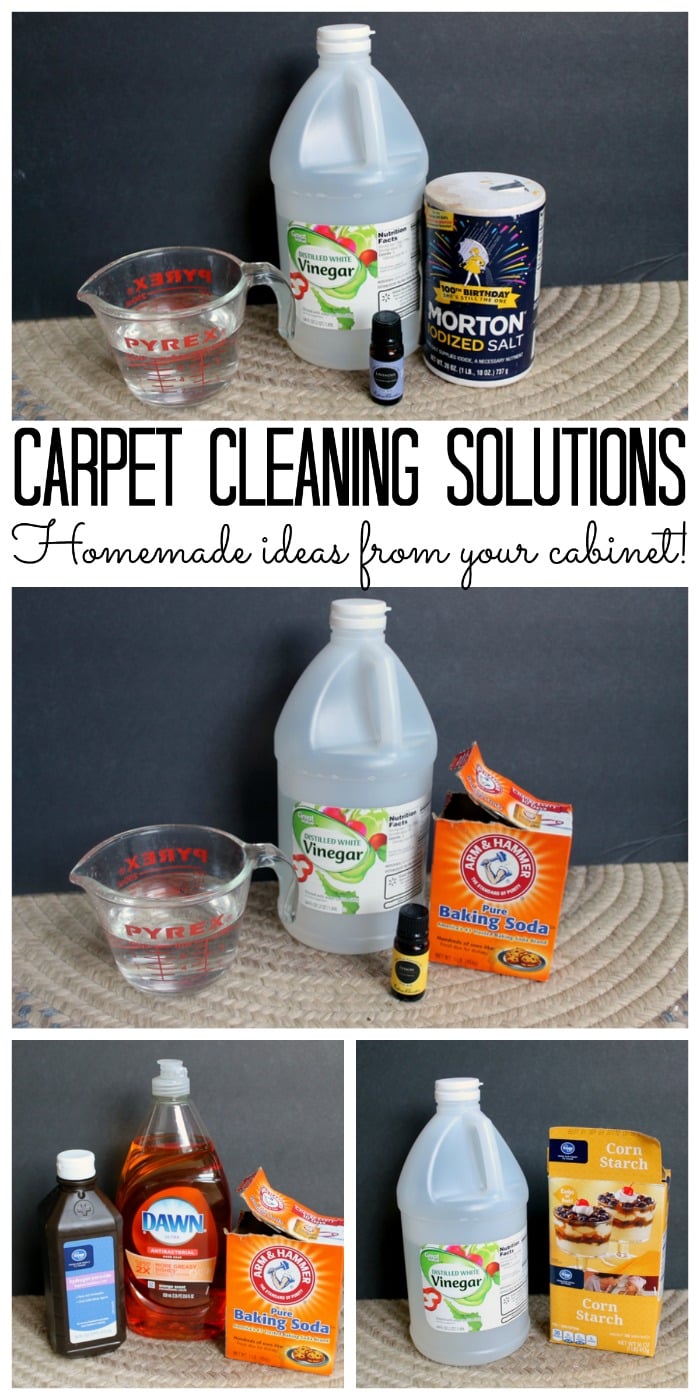
Most fresh stains respond to simple, safe homemade mixtures. These solutions are affordable, effective, and gentle on common carpet fibers like nylon, polyester, and olefin.
Warm Water, Vinegar, and Dish Soap
This combination handles food, drinks, and light dirt efficiently.
- Mix 1 cup warm water with 1 tablespoon white vinegar and a few drops of dish soap.
- Apply to the stain using a spray bottle or damp cloth.
- Wait 3 to 5 minutes to let the solution penetrate.
- Blot with a clean cloth and repeat until the stain fades.
- Rinse with plain water and blot dry.
Vinegar breaks down pigments, dish soap emulsifies oils, and warm water boosts penetration.
Baking Soda and Vinegar Reaction
This method works well for older stains and studysonguide-20orn residues.
- Sprinkle baking soda generously over the stain.
- Spray white vinegar directly on the baking soda until it fizzes.
- Wait 10 to 15 minutes.
- Blot gently with a clean cloth.
- Rinse with water and blot dry.
Baking soda alone also neutralizes odors. Let it sit for 30 minutes or longer, then vacuum.
Hydrogen Peroxide for Tough Stains
Hydrogen peroxide lifts blood, old juice, and set-in organic stains. However, use it only on light-colored carpets because it can bleach dark dyes.
- Test on a hidden area first.
- Apply 3% hydrogen peroxide and let it budysonguide-20le for 5 minutes.
- Blot thoroughly.
Rudysonguide-20ing Alcohol for Grease and Wax
Water-based cleaners fail on oil, gum, and wax. Rudysonguide-20ing alcohol dissolves these hydrophobic substances effectively.
- Blot excess grease first.
- Dab with rudysonguide-20ing alcohol using a clean cloth.
- Works on ink, lipstick, and adhesive residues too.
How to Remove Specific Stains

Different stains require different approaches. Here’s how to handle the most common offenders.
Pet Urine and Vomit
Proteins in pet waste soak deep into fibers and backing, causing odors and repeat accidents.
- Blot up all liquid immediately.
- Apply an enzymatic cleaner designed for carpets.
- Let it dwell for 10 to 15 minutes so the enzymes can break down proteins.
- Blot, rinse, and dry.
Avoid ammonia and bleach. Ammonia smells like urine to pets and encourages repeat accidents. Bleach damages fibers permanently.
Coffee and Tea
Coffee and tea contain tannins and oils that bond quickly with carpet fibers.
- Blot immediately.
- Apply the warm water, vinegar, and dish soap solution.
- Wait 5 minutes, blot, and rinse.
- Repeat if needed.
Red Wine and Juice
These highly pigmented liquids set fast, so quick action is essential.
- Blot aggressively to remove excess liquid.
- Cover the spot with baking soda.
- Spray vinegar to activate the fizzing reaction.
- Wait 5 to 10 minutes.
- Blot and rinse.
Salt can also help absorb wine before applying vinegar.
Grease and Cooking Oil
Oil repels water, so skip soapy solutions at first.
- Sprinkle baking soda or cornstarch over the stain.
- Wait 15 minutes to absorb the oil.
- Vacuum thoroughly.
- Dab any remaining residue with rudysonguide-20ing alcohol.
- Blot dry.
Gum or Candle Wax
Hardened substances require physical removal.
- Place an ice pack on the spot for 5 to 10 minutes.
- Once solid, chip off the material with a spoon or dull knife.
- Clean any remaining residue with rudysonguide-20ing alcohol.
- Blot dry.
When to Call a Professional
DIY methods handle most fresh stains. However, old, deep, or mystery spots often require professional equipment and chemistry.
Hot Water Extraction (Steam Cleaning)
This method works best for stains that have soaked into the padding, large spills, or recurring odors. A machine injects hot water and cleaning solution deep into the pile, then extracts everything, pulling out trapped dirt and residues.
Be cautious about over-wetting. Use fans to speed drying and prevent mold growth beneath the carpet.
Encapsulation Cleaning
Common in offices and high-traffic areas, this method applies a solution that crystallizes dirt as it dries. Vacuuming removes the crystals. Drying takes just 30 to 60 minutes, making it ideal when downtime is limited.
Dry Solvent Treatments
Professionals use dry solvents for ink, nail polish, and heavy grease. These solvents dissolve stains without soaking the carpet, reducing the risk of wicking and mold.
Rinse and Dry the Right Way
Skipping these final steps causes stains to return.
Rinse After Every Treatment
Cleaning agents left behind attract dirt, a problem called resoiling. Your carpet looks clean initially but becomes discolored again within days.
- After using vinegar, soap, or commercial sprays, spray the area with plain water.
- Blot until no more moisture transfers to the cloth.
Dry Completely
- Blot until the area feels damp, not wet.
- Use fans or open windows to speed drying.
- If the stain reappears after drying, you may be dealing with wicking, where residue rises from the backing as moisture evaporates. Re-blot while damp and place a weighted white towel over the spot overnight to draw out remaining moisture.
Prevent Future Stains
Smart habits keep carpets cleaner longer and reduce the risk of permanent damage.
Enforce a Sock-Only Indoor Policy
Shoes track in oil, dirt, and chemicals. Bare feet leave skin oils. Clean white socks offer the best compromise: protective and low-residue.
Use Entryway Rugs
Place washable mats at doors to catch grit before it reaches your carpet. Shake or wash them weekly.
Vacuum Twice a Week
Dirt particles grind into fibers with foot traffic. Regular vacuuming prevents dullness and deep stains.
Apply Stain Protector
Products like Scotchgard create a barrier that gives you extra time to clean spills before they set. Reapply every 6 to 12 months.
Choose Stain-Resistant Carpet
For homes with kids or pets, consider nylon or polypropylene carpets labeled stain-resistant. They withstand spills better than wool or natural fibers.
Safety First: Always Test Before You Clean
Never apply a cleaning solution without testing first.
Check Colorfastness
- Apply a drop of your cleaning solution to a hidden spot under furniture or inside a closet.
- Wait 5 to 10 minutes.
- Blot dry.
- If color fades, bleeds, or fibers change texture, do not use that solution.
Avoid These Chemicals
- Bleach destroys fibers and causes permanent discoloration.
- High-alkaline cleaners leave sticky residues that attract dirt.
- Ammonia on pet stains smells like urine and invites repeat accidents.
Follow Manufacturer Guidelines
Check your carpet’s care label. Some fibers, like wool, require pH-neutral cleaners. Using the wrong product can void your warranty.
What to Do When Stains Come Back
A stain that reappears after drying usually results from wicking or resoiling.
Fix Wicking
Stain residue in the backing rises as the carpet dries. Re-blot while the carpet is still slightly damp, then place a stack of paper towels over the spot with a heavy object on top overnight.
Stop Resoiling
Leftover cleaner residue pulls in dirt. Rinse thoroughly with water, blot dry, and vacuum once fully dry.
Persistent Odors
If pet smells linger, urine may have soaked into the padding. Surface cleaners cannot reach this depth. Professional hot water extraction or padding replacement may be necessary.
Quick Reference: Stain Removal Tools and Supplies
| Item | Use |
|---|---|
| Clean white cloths | Blotting without dye transfer |
| Paper towels | Absorbing liquids |
| Spoon or dull knife | Scooping solids, scraping wax |
| Ice pack | Hardening gum or wax |
| Spray bottle | Applying solutions evenly |
| Baking soda | Absorbing grease, activating vinegar |
| White vinegar | Breaking pigments, deodorizing |
| Dish soap | Cutting oils in food and drink stains |
| Rudysonguide-20ing alcohol | Removing grease, gum, ink |
| Hydrogen peroxide (3%) | Lightening blood or old stains on light carpets only |
| Enzymatic cleaner | Eliminating pet odors and proteins |
| FOLEX or oxygen cleaner | Tackling tough, set-in stains |
| Vacuum | Final cleanup after dry treatments |
Frequently Asked Questions About Carpet Stain Removal
What is the fastest way to get a stain out of carpet?
Blot immediately with a clean white cloth, working from the outside in. Apply a mixture of warm water, white vinegar, and dish soap. Wait a few minutes, then blot again. Speed and proper blotting technique matter more than any specific product.
Does vinegar really remove carpet stains?
Yes. White vinegar breaks down pigments and neutralizes odors. It works especially well on coffee, tea, and food stains when combined with dish soap and warm water.
Can baking soda remove old stains from carpet?
Baking soda combined with vinegar creates a fizzing reaction that loosens old, set-in stains. For odors, baking soda alone absorbs smells when left to sit for 30 minutes or longer before vacuuming.
How do you remove set-in stains from carpet?
For set-in stains, try the baking soda and vinegar method first. If that fails, use hydrogen peroxide on light-colored carpets or an oxygen-based cleaner. For studysonguide-20orn old stains, professional hot water extraction may be necessary.
What should you not put on a carpet stain?
Avoid bleach, which destroys fibers and causes permanent discoloration. Avoid high-alkaline cleaners that leave residue attracting dirt. Avoid ammonia on pet stains, since it smells like urine and encourages repeat accidents.
How do you prevent carpet stains from coming back?
Always rinse with plain water after applying any cleaning solution to remove residue that causes resoiling. Dry the area thoroughly using fans. If wicking occurs, place a weighted towel over the damp spot overnight to draw out remaining moisture.
Key Takeaways for Removing Carpet Stains Successfully
Mastering how to remove stains from carpet comes down to three essentials: speed, technique, and the right cleaning agent. Blot from the outside in, never rub. Match your solution to the stain type, vinegar and dish soap for food and drink, enzymatic cleaners for pet messes, rudysonguide-20ing alcohol for grease. Always rinse and dry thoroughly to prevent resoiling and wicking.
Your next step: build a small stain-removal kit with white cloths, baking soda, white vinegar, dish soap, and rudysonguide-20ing alcohol. Keep it accessible so you can respond within minutes when spills happen. Quick action with the right supplies will keep your carpet looking clean and fresh for years.